
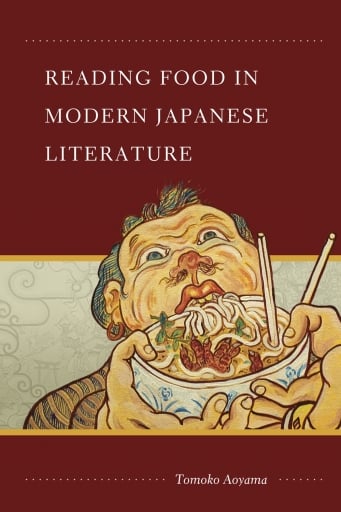
Reading Food in Modern Japanese Literature
Por Aoyama, Tomoko
Publicado por University of Hawaii Press
Disponible en 13 librerías
 Association of University Presses - Tienda FILUNI
🇺🇸
Visitar tienda →
Association of University Presses - Tienda FILUNI
🇺🇸
Visitar tienda →
 Bajalibros Argentina
🇦🇷
Visitar tienda →
Bajalibros Argentina
🇦🇷
Visitar tienda →
 Bajalibros Latam
🇺🇸
Visitar tienda →
Bajalibros Latam
🇺🇸
Visitar tienda →
 Bookshop Uruguay
🇺🇾
Visitar tienda →
Bookshop Uruguay
🇺🇾
Visitar tienda →
 Catademic
🇺🇸
Visitar tienda →
Catademic
🇺🇸
Visitar tienda →








Sobre este libro
Disponibilidad
Reading Food in Modern Japanese Literature está disponible como PDF en 13 librerías online. Entre las librerías que lo venden están Association of University Presses - Tienda FILUNI, Bajalibros Argentina, Bajalibros Latam.
Categorías
- Idioma
- English
Preguntas frecuentes
- ¿En qué formatos está disponible Reading Food in Modern Japanese Literature?
- Reading Food in Modern Japanese Literature está disponible como PDF en 13 librerías online.
- ¿Dónde puedo comprar Reading Food in Modern Japanese Literature?
- Puedes comprar Reading Food in Modern Japanese Literature en Association of University Presses - Tienda FILUNI, Bajalibros Argentina, Bajalibros Latam. Compara todas las opciones en la lista de esta página.
- ¿Cuánto se tarda en leer Reading Food in Modern Japanese Literature?
- A un ritmo de lectura medio, Reading Food in Modern Japanese Literature se lee en unas 5 h 18 min (289 páginas).
Valoraciones y reseñas
Aún no hay valoraciones. Sé el primero en reseñar este libro.
Acceder para valorar y reseñar este libro.
También te puede interesar
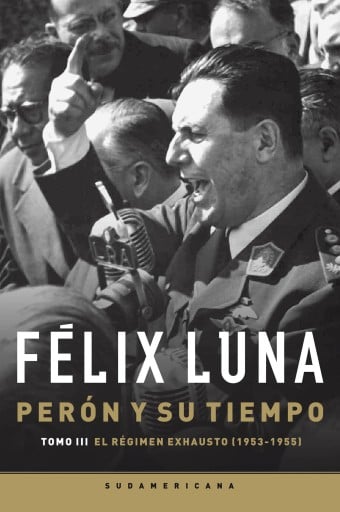
Perón y su tiempo (Tomo 3)
Luna, Félix

Investigación histórica y organización de fondos judiciales del Archivo Histórico Regional de la Universidad Industrial de Santander
Suárez, Ivonne, Afanador, María Isabel, Matéus, Luis Carlos, Escamilla, Diego Andrés, Rojas, Laura, Caicedo, William Camilo, Villamizar, Juan Diego, Torres, Leidy Viviana
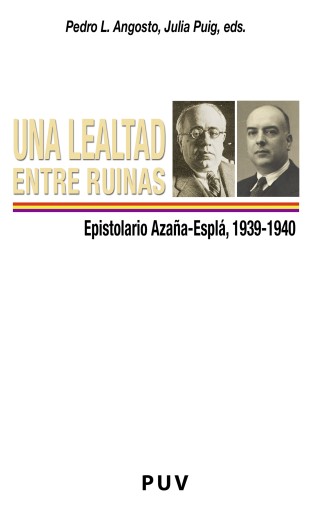
Una lealtad entre ruinas
Azaña, Manuel, Esplà, Carlos
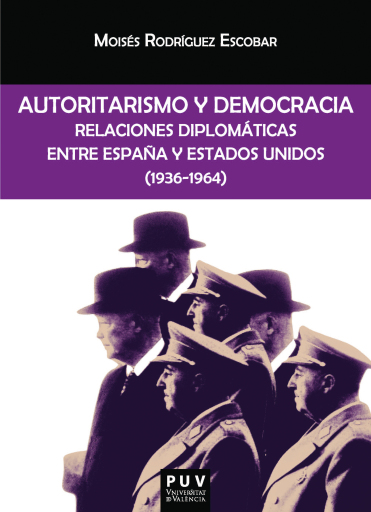
Autoritarismo y democracia
Rodríguez Escobar, Moisés
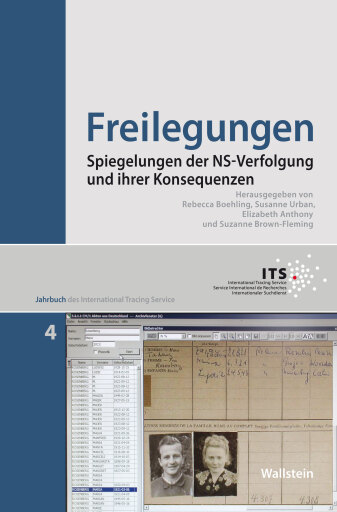
Freilegungen

»Dann bin ich ja ein Mörder!"
Manoschek, Walter