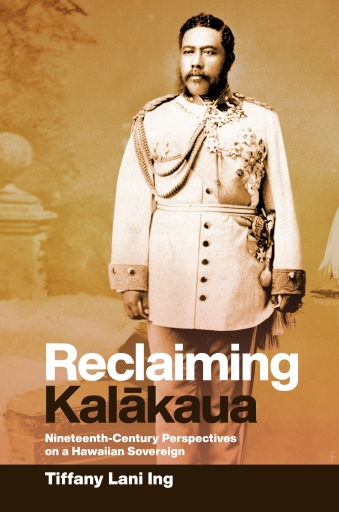
Reclaiming Kalākaua
Publicado por University of Hawaii Press
English
2019
ISBN 9780824881443
eBook
Buy at Crisol Ebooks
🇵🇪
 Association of University Presses - Tienda FILUNI
🇺🇸
Visitar tienda →
Association of University Presses - Tienda FILUNI
🇺🇸
Visitar tienda →
 Bajalibros Argentina
🇦🇷
Visitar tienda →
Bajalibros Argentina
🇦🇷
Visitar tienda →
 Bajalibros Latam
🇺🇸
Visitar tienda →
Bajalibros Latam
🇺🇸
Visitar tienda →
 Bookshop Uruguay
🇺🇾
Visitar tienda →
Bookshop Uruguay
🇺🇾
Visitar tienda →
 Catademic
🇺🇸
Visitar tienda →
Catademic
🇺🇸
Visitar tienda →
Disponible en 13 librerías
Association of University Presses - Tienda FILUNI
🇺🇸
Visitar tienda →
Bajalibros Argentina
🇦🇷
Visitar tienda →
Bajalibros Latam
🇺🇸
Visitar tienda →
Bookshop Uruguay
🇺🇾
Visitar tienda →
Catademic
🇺🇸
Visitar tienda →








Sobre este libro
Reclaiming Kalākaua: Nineteenth-Century Perspectives on a Hawaiian Sovereign examines the American, international, and Hawaiian representations of David La‘amea Kamananakapu Mahinulani Nalaiaehuokalani Lumialani Kalākaua in English- and Hawaiian-language newspapers, books, travelogues, and other materials published during his reign as Hawai‘i’s mō‘ī (sovereign) from 1874 to 1891. Beginning with an overview of Kalākaua’s literary genealogy of misrepresentation, Tiffany Lani Ing surveys the negative, even slanderous, portraits of him that have been inherited from his enemies, who first sought to curtail his authority as mō‘ī through such acts as the 1887 Bayonet Constitution and who later tried to justify their parts in overthrowing the Hawaiian kingdom in 1893 and annexing it to the United States in 1898.
A close study of contemporary international and American newspaper accounts and other narratives about Kalākaua, many highly favorable, results in a more nuanced and wide-ranging characterization of the mō‘ī as a public figure. Most importantly, virtually none of the existing nineteenth-, twentieth-, and twenty-first-century texts about Kalākaua consults contemporary Kanaka Maoli (Native Hawaiian) sentiment for him. Offering examples drawn from hundreds of nineteenth-century Hawaiian-language newspaper articles, mele (songs), and mo‘olelo (histories, stories) about the mō‘ī, Reclaiming Kalākaua restores balance to our understanding of how he was viewed at the time—by his own people and the world. This important work shows that for those who did not have reasons for injuring or trivializing Kalākaua’s reputation as mō‘ī, he often appeared to be the antithesis of our inherited understanding. The mō‘ī struck many, and above all his own people, as an intelligent, eloquent, compassionate, and effective Hawaiian leader.
Disponibilidad
Reclaiming Kalākaua está disponible como eBook en 13 librerías online. Entre las librerías que lo venden están Association of University Presses - Tienda FILUNI, Bajalibros Argentina, Bajalibros Latam.
Categorías
- Idioma
- English
Compartir
Preguntas frecuentes
- ¿En qué formatos está disponible Reclaiming Kalākaua?
- Reclaiming Kalākaua está disponible como eBook en 13 librerías online.
- ¿Dónde puedo comprar Reclaiming Kalākaua?
- Puedes comprar Reclaiming Kalākaua en Association of University Presses - Tienda FILUNI, Bajalibros Argentina, Bajalibros Latam. Compara todas las opciones en la lista de esta página.
Valoraciones y reseñas
Aún no hay valoraciones. Sé el primero en reseñar este libro.
Acceder para valorar y reseñar este libro.