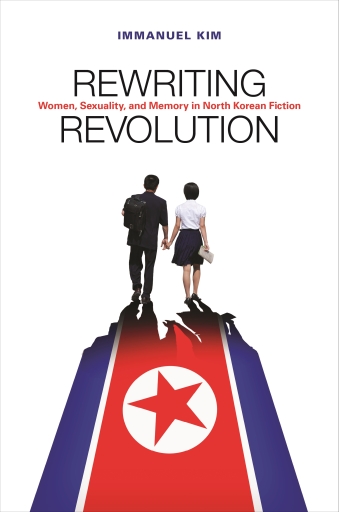
Rewriting Revolution
Por Kim, Immanuel
Publicado por University of Hawaii Press
English
2018
ISBN 9780824873615
eBook
Buy at Association of University Presses - Tienda FILUNI
🇺🇸
Catademic
🇺🇸
Visitar tienda →
Bajalibros Latam
🇺🇸
Visitar tienda →
Association of University Presses - Tienda FILUNI
🇺🇸
Visitar tienda →
Ebooks Librería Antártica
🇨🇱
Visitar tienda →
Ebooks Agustin
🇪🇸
Visitar tienda →
Bajalibros Argentina
🇦🇷
Visitar tienda →

Sanborns Ebooks
🇲🇽
Visitar tienda →
ebooks Libreria del GAM
🇨🇱
Visitar tienda →
Bookshop Uruguay
🇺🇾
Visitar tienda →

ebookskitapenas
🇬🇹
Visitar tienda →
Ebooks Yenny - El Ateneo
🇦🇷
Visitar tienda →
Crisol Ebooks
🇵🇪
Visitar tienda →
Disponible en 12 librerías
Catademic
🇺🇸
Visitar tienda →

Association of University Presses - Tienda FILUNI
🇺🇸
Visitar tienda →
Ebooks Librería Antártica
🇨🇱
Visitar tienda →
Ebooks Agustin
🇪🇸
Visitar tienda →
Sanborns Ebooks
🇲🇽
Visitar tienda →
ebooks Libreria del GAM
🇨🇱
Visitar tienda →
ebookskitapenas
🇬🇹
Visitar tienda →
Ebooks Yenny - El Ateneo
🇦🇷
Visitar tienda →
Crisol Ebooks
🇵🇪
Visitar tienda →
Sobre este libro
<p>North Korea, the Democratic People’s Republic of Korea (DPRK), is firmly fixed in the Western imagination as a barbaric vestige of the Cold War, a “rogue” nation that refuses to abide by international norms. It is seen as belligerent and oppressive, a poor nation bent on depriving its citizens of their basic human rights and expanding its nuclear weapons program at the expense of a faltering economy. Even the North’s literary output is stigmatized and dismissed as mere propaganda literature praising the Great Leader.<br><br>Immanuel Kim’s book confronts these stereotypes, offering a more complex portrayal of literature in the North based on writings from the 1960s to the present. The state, seeking to “write revolution,” prescribes grand narratives populated with characters motivated by their political commitments to the leader, the Party, the nation, and the collective. While acknowledging these qualities, Kim argues for deeper readings. In some novels and stories, he finds, the path to becoming a revolutionary hero or heroine is no longer a simple matter of formulaic plot progression; instead it is challenged, disrupted, and questioned by individual desires, decisions, doubts, and imaginations. Fiction in the 1980s in particular exhibits refreshing story lines and deeper character development along with creative approaches to delineating women, sexuality, and the family. These changes are so striking that they have ushered in what Kim calls a Golden Age of North Korean fiction.<br><br><i>Rewriting Revolution</i> charts the insightful literary frontiers that critically portray individuals negotiating their political and sexual identities in a revolutionary state. In this fresh and thought-provoking analysis of North Korean fiction, Kim looks past the ostensible state propaganda to explore the dynamic literary world where individuals with human emotions reside. His book fills a major lacuna and will be of interest to literary scholars and historians of East Asia, as well as to scholars of global and comparative studies in socialist countries.</p>
- Idioma
- English
Compartir
También te puede interesar
The Nuremberg Trials (Vol.9)
Tribunal, International Military
50 Masterpieces you have to read before you die vol: 1
Wilde, Oscar, Joyce, James, Stoker, Bram, Eliot, George, Tolstoy, Leo, Dickens, Charles, Conrad, Joseph, Austen, Jane, Lawrence, D. H., Burroughs, Edgar Rice, Alcott, Louisa May, Balzac, Honoré
Elusive Belonging
Kim, Minjeong
Poems and Stories for Overcoming Idleness
Divorce in South Korea
Lee, Yean-Ju
A Korean Confucian’s Advice on How to Be Moral
Baker, Don