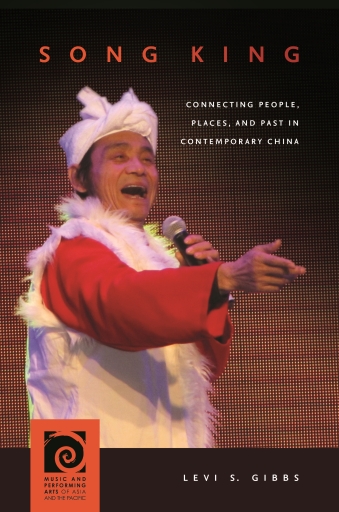
Song King
Por Gibbs, Levi S.
Publicado por University of Hawaii Press
English
2018
ISBN 9780824876036
eBook
Buy at Association of University Presses - Tienda FILUNI
🇺🇸
Catademic
🇺🇸
Visitar tienda →
UN
University of Hawaiʻi Press
🇺🇸
Visitar tienda →
ebookstaolistic
🇺🇸
Visitar tienda →
Bajalibros Latam
🇺🇸
Visitar tienda →
Association of University Presses - Tienda FILUNI
🇺🇸
Visitar tienda →

Ebooks Librería Antártica
🇨🇱
Visitar tienda →
Ebooks Agustin
🇪🇸
Visitar tienda →
Bajalibros Argentina
🇦🇷
Visitar tienda →

Sanborns Ebooks
🇲🇽
Visitar tienda →
ebooks Libreria del GAM
🇺🇾
Visitar tienda →
Bookshop Uruguay
🇺🇾
Visitar tienda →

ebookskitapenas
🇬🇹
Visitar tienda →
Ebooks Yenny - El Ateneo
🇦🇷
Visitar tienda →
Crisol Ebooks
🇨🇴
Visitar tienda →
Disponible en 14 librerías
Catademic
🇺🇸
Visitar tienda →

UN
University of Hawaiʻi Press
🇺🇸
Visitar tienda →
ebookstaolistic
🇺🇸
Visitar tienda →
Association of University Presses - Tienda FILUNI
🇺🇸
Visitar tienda →
Ebooks Librería Antártica
🇨🇱
Visitar tienda →
Ebooks Agustin
🇪🇸
Visitar tienda →
Sanborns Ebooks
🇲🇽
Visitar tienda →
ebooks Libreria del GAM
🇺🇾
Visitar tienda →
ebookskitapenas
🇬🇹
Visitar tienda →
Ebooks Yenny - El Ateneo
🇦🇷
Visitar tienda →
Crisol Ebooks
🇨🇴
Visitar tienda →
Sobre este libro
<p>When itinerant singers from China’s countryside become iconic artists, worlds collide. The lives and performances of these representative singers become sites for conversations between the rural and urban, local and national, folk and elite, and traditional and modern. In <i>Song King: Connecting People, Places, and Past in Contemporary China</i>, Levi S. Gibbs examines the life and performances of “Folksong King of Western China” Wang Xiangrong (b. 1952) and explores how itinerant performers come to serve as representative symbols straddling different groups, connecting diverse audiences, and shifting between amorphous, place-based local, regional, and national identities. Moving from place to place, these border walkers embody connections between a range of localities, presenting audiences with traditional, modern, rural, and urban identities among which to continually reposition themselves in an evolving world.<br><br>Born in a small mountain village near the intersection of the Great Wall and the Yellow River in a border region with a rich history of migration, Wang Xiangrong was exposed to a wide range of songs as a child. The songs of Wang’s youth prepared him to create a repertoire of region-representing pieces and mediate between regions, nations, and multinational corporations in national and international performances. During the course of a career that included meeting Deng Xiaoping in 1980 and running with the Olympic torch in 2008, Wang’s life, songs, and performances have come to highlight various facets of social identity in contemporary China. Drawing on extensive fieldwork with Wang and other professional folksingers from northern Shaanxi province at weddings, Chinese New Year galas, business openings, and Christmas concerts, <i>Song King</i> argues that songs act as public conversations people can join in on. As song kings and queens fuse personal and collective narratives in performances of iconic songs, they provide audiences with compelling models for socializing personal experience, negotiating a sense of self and group in an ever-changing world.</p>
Categorías
- Idioma
- English
Compartir