
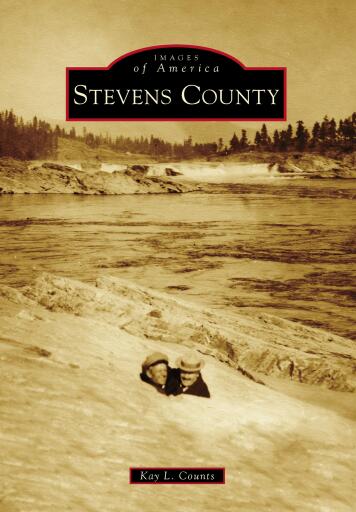
Stevens County
Por Counts, Kay L.
Publicado por Arcadia Publishing
Disponible en 12 librerías
 Bajalibros Argentina
🇦🇷
Visitar tienda →
Bajalibros Argentina
🇦🇷
Visitar tienda →
 Bajalibros Latam
🇺🇸
Visitar tienda →
Bajalibros Latam
🇺🇸
Visitar tienda →
 Bookshop Uruguay
🇺🇾
Visitar tienda →
Bookshop Uruguay
🇺🇾
Visitar tienda →
 Crisol Ebooks
🇵🇪
Visitar tienda →
Crisol Ebooks
🇵🇪
Visitar tienda →
 ebooks Libreria del GAM
🇨🇱
Visitar tienda →
ebooks Libreria del GAM
🇨🇱
Visitar tienda →







Sobre este libro
Disponibilidad
Stevens County está disponible como eBook en 12 librerías online. Entre las librerías que lo venden están Bajalibros Argentina, Bajalibros Latam, Bookshop Uruguay.
Categorías
- Idioma
- Inglés
Preguntas frecuentes
- ¿En qué formatos está disponible Stevens County?
- Stevens County está disponible como eBook en 12 librerías online.
- ¿Dónde puedo comprar Stevens County?
- Puedes comprar Stevens County en Bajalibros Argentina, Bajalibros Latam, Bookshop Uruguay. Compara todas las opciones en la lista de esta página.
Valoraciones y reseñas
Aún no hay valoraciones. Sé el primero en reseñar este libro.
Acceder para valorar y reseñar este libro.
También te puede interesar
Ghost Stories of the Long Beach Peninsula
Stevens, Sydney
Early Skiing on Snoqualmie Pass
Lundin, John W.

Crater Lake National Park
LaPlante, Margaret
Maritime Olympia and South Puget Sound
Eldridge, Les, Hough, John W.
Legendary Locals of Walla Walla
Reed, Diane B.
Scandinavians on the Pacific, Puget Sound
Stine, Thomas Ostenson