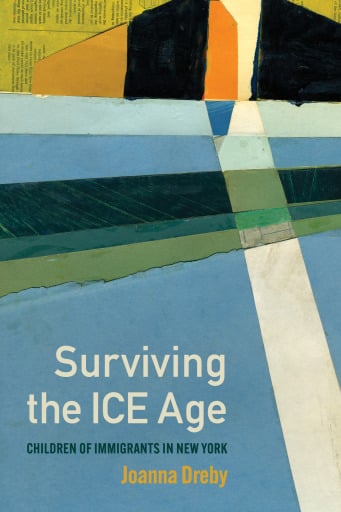
Surviving the ICE Age
Por Dreby, Joanna
Publicado por Russell Sage Foundation
English
2025
ISBN 9781610449373
eBook
Buy at Bajalibros Latam
🇺🇸
Catademic
🇺🇸
Visitar tienda →
Bajalibros Latam
🇺🇸
Visitar tienda →
Association of University Presses - Tienda FILUNI
🇺🇸
Visitar tienda →

Ebooks Librería Antártica
🇨🇱
Visitar tienda →
Ebooks Agustin
🇪🇸
Visitar tienda →
Bajalibros Argentina
🇦🇷
Visitar tienda →

Sanborns Ebooks
🇲🇽
Visitar tienda →
ebooks Libreria del GAM
🇨🇱
Visitar tienda →
Bookshop Uruguay
🇺🇾
Visitar tienda →

ebookskitapenas
🇬🇹
Visitar tienda →
Ebooks Yenny - El Ateneo
🇦🇷
Visitar tienda →
Crisol Ebooks
🇵🇪
Visitar tienda →
Disponible en 12 librerías
Catademic
🇺🇸
Visitar tienda →
Association of University Presses - Tienda FILUNI
🇺🇸
Visitar tienda →
Ebooks Librería Antártica
🇨🇱
Visitar tienda →
Ebooks Agustin
🇪🇸
Visitar tienda →
Sanborns Ebooks
🇲🇽
Visitar tienda →
ebooks Libreria del GAM
🇨🇱
Visitar tienda →
ebookskitapenas
🇬🇹
Visitar tienda →
Ebooks Yenny - El Ateneo
🇦🇷
Visitar tienda →
Crisol Ebooks
🇵🇪
Visitar tienda →
Sobre este libro
For the past three decades, U.S. immigration policy has become increasingly restrictive, focused on enforcement both at the southern border and across the country. A shift in emphasis from status regularization to criminalization has had rippling effects for families and communities. While we know much about how immigration enforcement impacts the undocumented, we know less about longstanding effects on U.S. citizens. In <i>Surviving the ICE Age</i>, sociologist Joanna Dreby draws on interviews with young adults with foreign-born parents to better understand what it was like to grow up during a time of heightened U.S. migratory control. <br> <br> Dreby shows that a restrictive approach to immigration creates problems over time and across generations. These issues occur regardless of one’s citizenship status and go beyond deportations. Despite having pride in their heritage, her interviewees did not talk much about immigration. She refers to this unwillingness—and at times, inability—to speak about immigration as silencing. Silencing in a community or family is often intended to protect children, but this can leave them with little information about their backgrounds and status, leading to fear and anxiety instead. Self-silencing often resulted from traumatic experiences tied to enforcement episodes, which sometimes took the form of memory loss or emotional withholding. Dreby finds that experiences with the immigration system that disrupted relationships in a child’s household arising from family separations, moves, or changing roles in the family had especially long-term effects, causing, at times, ongoing mental health issues. Even the risk of immigration involvement left some young adults feeling vulnerable and undermined their sense of safety and security as U.S. citizens.<br> <br> Dreby also highlights stories that offer hope. Young adults developed strategies to persevere, and children who grew up in communities and families that openly talked about migration felt empowered and fared much better, especially when they had access to resources, such as adequate food and shelter, mental health services, and community support. Dreby calls for policies and practices to mitigate the harms of restrictive migratory control on children’s wellbeing, such avoiding the arrest of parents in front of children and ensuring that U.S. citizen children’s interests are considered in immigration court without their direct involvement.<br> <br> <i>Surviving the ICE Age</i> details the generational harms caused by U.S. immigration policy and offers suggestions for a better way forward.<br>
- Idioma
- English
Compartir
También te puede interesar
O martelo das feiticeiras
Kramer, Heinrich, Sprenger, James
Pensar Nagô
Sodré, Muniz
O Significado em Frege e Carnap
Emmendorfer, Ana Paula
Levantones. Historias reales de desaparecidos y víctimas del narco
Valdez Cárdenas, Javier
Sexo, violencia y castigo
Jaramillo Sierra, Isabel Cristina, Correa Flórez, María Camila
La migración transnacional en Peguche, Ecuador, y la fiesta del Pawkar Raymi
Ordóñez Charpentier, Angélica