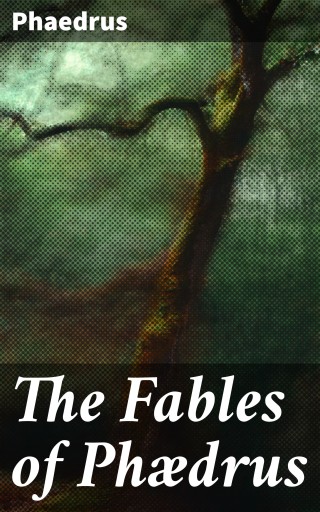
The Fables of Phædrus
Por Phaedrus
Publicado por Good Press
English
2019
ISBN 4057664654489
eBook
Buy at Libros Patagonia
🇨🇱
 Alpha Books
🇨🇴
Visitar tienda →
Alpha Books
🇨🇴
Visitar tienda →
 Bajalibros Argentina
🇦🇷
Visitar tienda →
Bajalibros Argentina
🇦🇷
Visitar tienda →
 Bajalibros Latam
🇺🇸
Visitar tienda →
Bajalibros Latam
🇺🇸
Visitar tienda →
 Bookshop Uruguay
🇺🇾
Visitar tienda →
Bookshop Uruguay
🇺🇾
Visitar tienda →
 Crisol Ebooks
🇵🇪
Visitar tienda →
Crisol Ebooks
🇵🇪
Visitar tienda →
Disponible en 15 librerías
Alpha Books
🇨🇴
Visitar tienda →
Bajalibros Argentina
🇦🇷
Visitar tienda →
Bajalibros Latam
🇺🇸
Visitar tienda →
Bookshop Uruguay
🇺🇾
Visitar tienda →
Crisol Ebooks
🇵🇪
Visitar tienda →










Sobre este libro
In "The Fables of Phædrus," the Roman poet Phaedrus revisits the timeless tradition of fable writing, drawing extensively from Aesop's narratives while infusing his works with a sharp satirical edge reflective of the societal and political dynamics of ancient Rome. Phaedrus employs a concise and elegant literary style characterized by vivid imagery and moral clarity, inviting readers to confront the follies and virtues of human nature through the lens of anthropomorphized animals. His fables address themes such as justice, cunning, and the moral implications of human behavior within a framework that encourages reflection on both personal and societal ethics. Phaedrus, who lived in the first century CE, was significantly influenced by Rome's turbulent political landscape, which informed his approach to storytelling. As a former slave who gained freedom, his personal experiences influenced the moral underpinnings of his fables, which often critique social hierarchies and advocate for wisdom and integrity. His works mark a vital transition in the evolution of fable, illustrating how folklore can function as a vehicle for social commentary and moral instruction. "The Fables of Phædrus" is highly recommended for readers seeking profound moral insights wrapped in the guise of simple narratives. Phaedrus's ability to resonate with both ancient and modern audiences makes his fables a relevant study in ethics and human behavior. Whether one is a student of literature, ethics, or simply an admirer of powerful storytelling, this collection offers timeless lessons that remain pertinent today.
In this enriched edition, we have carefully created added value for your reading experience:
- An Introduction draws the threads together, discussing why these diverse authors and texts belong in one collection.
- Historical Context explores the cultural and intellectual currents that shaped these works, offering insight into the shared (or contrasting) eras that influenced each writer.
- A combined Synopsis (Selection) briefly outlines the key plots or arguments of the included pieces, helping readers grasp the anthology's overall scope without giving away essential twists.
- A collective Analysis highlights common themes, stylistic variations, and significant crossovers in tone and technique, tying together writers from different backgrounds.
- Reflection questions encourage readers to compare the different voices and perspectives within the collection, fostering a richer understanding of the overarching conversation.
Disponibilidad
The Fables of Phædrus está disponible como eBook en 15 librerías online. Entre las librerías que lo venden están Alpha Books, Bajalibros Argentina, Bajalibros Latam.
Categorías
- Idioma
- English
Compartir
Preguntas frecuentes
- ¿En qué formatos está disponible The Fables of Phædrus?
- The Fables of Phædrus está disponible como eBook en 15 librerías online.
- ¿Dónde puedo comprar The Fables of Phædrus?
- Puedes comprar The Fables of Phædrus en Alpha Books, Bajalibros Argentina, Bajalibros Latam. Compara todas las opciones en la lista de esta página.
Valoraciones y reseñas
Aún no hay valoraciones. Sé el primero en reseñar este libro.
Acceder para valorar y reseñar este libro.