
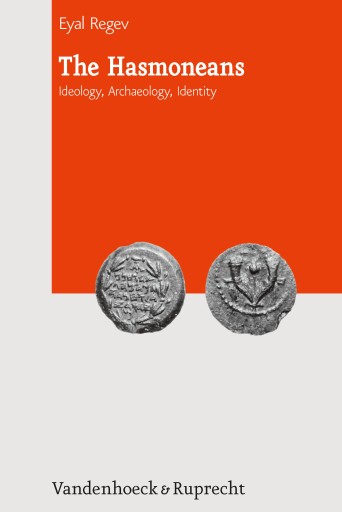
The Hasmoneans
Por Regev, Eyal
Publicado por Vandenhoeck & Ruprecht
Disponible en 18 librerías
 Alpha Books
🇨🇴
Visitar tienda →
Alpha Books
🇨🇴
Visitar tienda →
 Bajalibros Argentina
🇦🇷
Visitar tienda →
Bajalibros Argentina
🇦🇷
Visitar tienda →
 Bajalibros Latam
🇺🇸
Visitar tienda →
Bajalibros Latam
🇺🇸
Visitar tienda →

 Crisol Ebooks
🇵🇪
Visitar tienda →
Crisol Ebooks
🇵🇪
Visitar tienda →













¿No encuentras tu librería aquí? Abre tu librería
Sobre este libro
Disponibilidad
The Hasmoneans está disponible como PDF en 18 librerías online. Entre las librerías que lo venden están Alpha Books, Bajalibros Argentina, Bajalibros Latam.
Categorías
- Idioma
- Inglés
Preguntas frecuentes
- ¿En qué formatos está disponible The Hasmoneans?
- The Hasmoneans está disponible como PDF en 18 librerías online.
- ¿Dónde puedo comprar The Hasmoneans?
- Puedes comprar The Hasmoneans en Alpha Books, Bajalibros Argentina, Bajalibros Latam. Compara todas las opciones en la lista de esta página.
- ¿Cuánto se tarda en leer The Hasmoneans?
- A un ritmo de lectura medio, The Hasmoneans se lee en unas 6 h 16 min (342 páginas).
Valoraciones y reseñas
Aún no hay valoraciones. Sé el primero en reseñar este libro.
Acceder para valorar y reseñar este libro.
También te puede interesar
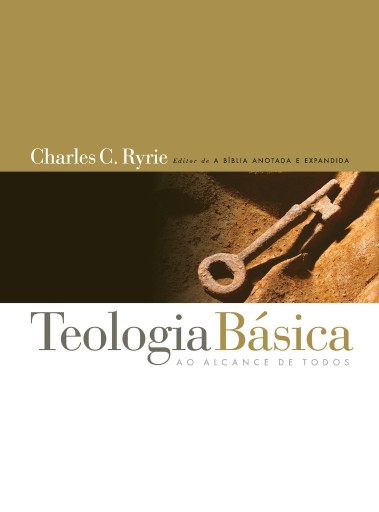
Teologia básica
Ryrie, Charles Caldwell

Para compreender as palavras de Jesus e Buda
Borg, Marcus, Riegert, Ray

Christliche Mystik
Schäufele, Wolf-Friedrich

Judaísmo Cristianismo Islam
Nardella-Dellova, Pietro, Passos, João Décio, Barbosa, Francirosy Campos, Kus, Atilla

Evangelisch predigen
Bosse-Huber, Petra

Luther lesen
Jung, Martin H.