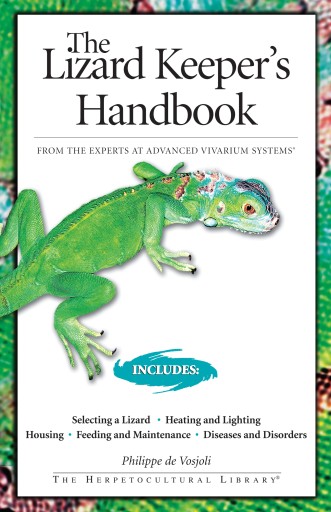
The Lizard Keeper's Handbook
Publicado por CompanionHouse Books
English
2007
ISBN 9781620080245
eBook
Buy at Bajalibros Latam
🇺🇸
Bajalibros Latam
🇺🇸
Visitar tienda →
LORANCHBOOKSTORE
🇺🇸
Visitar tienda →
Libros Patagonia
🇨🇱
Visitar tienda →
Ebooks Librería Carlos Fuentes
🇲🇽
Visitar tienda →
Ebooks Librería Antártica
🇨🇱
Visitar tienda →
Ebooks Happy Books
🇨🇴
Visitar tienda →
ebooks libreria española
🇪🇨
Visitar tienda →
Bajalibros Argentina
🇦🇷
Visitar tienda →
Alpha Books
🇨🇴
Visitar tienda →

Sanborns Ebooks
🇲🇽
Visitar tienda →
ebooks Libreria del GAM
🇨🇱
Visitar tienda →
Bookshop Uruguay
🇺🇾
Visitar tienda →
Ebooks Yenny - El Ateneo
🇦🇷
Visitar tienda →
Crisol Ebooks
🇵🇪
Visitar tienda →

Disponible en 14 librerías
LORANCHBOOKSTORE
🇺🇸
Visitar tienda →
Libros Patagonia
🇨🇱
Visitar tienda →
Ebooks Librería Carlos Fuentes
🇲🇽
Visitar tienda →
Ebooks Librería Antártica
🇨🇱
Visitar tienda →
Ebooks Happy Books
🇨🇴
Visitar tienda →
ebooks libreria española
🇪🇨
Visitar tienda →
Alpha Books
🇨🇴
Visitar tienda →
Sanborns Ebooks
🇲🇽
Visitar tienda →
ebooks Libreria del GAM
🇨🇱
Visitar tienda →
Ebooks Yenny - El Ateneo
🇦🇷
Visitar tienda →
Crisol Ebooks
🇵🇪
Visitar tienda →

Sobre este libro
The Lizard Keeper's Manual by Philippe de Vosjoli intends to provide real detailed information for all devoted lizard owners who wish to provide the very best of care for their pets. The author states in the foreword, "In terms of the herpetoculture of reptiles, the keeping of lizards is probably the most challenging." He explains that "Lizards demonstrate a great diversity of adaptations and specializations," and thus keepers need the very best advice and soundest information possible, which is what The Lizard Keeper's Manual provides to its readers.
In over 200 pages, this colorful volume analyzes the needs of insect-eating lizards, of which there are literally thousands of species. Some lizards (the ones with generic housing and dietary requirements) are easy to maintain, though others have very specific needs (in terms of temperature, diet, humidity, etc.). As stated in the introduction, "The purpose of this book is to give herpetoculturists, both beginners and those more experienced, as well as pet industry personnel, a broad base of knowledge that will allow them to successfully keep a variety of insect-eating lizards." Colorfully illustrated, The Lizard Keeper's Manual provides chapter-length coverage on the following topics: selecting the right species of lizard, locating and purchasing a healthy lizard, quarantine and acclimation, types of vivaria, enclosures, vivarium design, heating, cooling/hibernation, lighting, humidity/ventilation, feeding/nutrition, handling, shipping/receiving, and diseases and disorders. The author recommends a number of excellent species for keepers, including geckos, chameleons, skinks, agamids, monitors, anoles, basilisks, as well as other large and miniature species. The chapter titled "Essential Concepts" is a crash course in herpetology, offering the reader an overview of the ontogeny (life stages), climatic and landscape factors, diet, water, and diseases of the lizard family. The chapter "General Guidelines for Popular Insect-Eating Lizards," which covers over thirty different lizards in terms of their requirements and descriptions, is an outstanding resource for lizard keepers looking to expand the population of their vivaria. Appendices and index included.
- Idioma
- English
Compartir