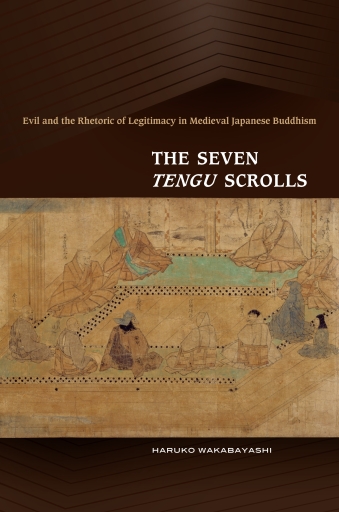
The Seven Tengu Scrolls
Publicado por University of Hawaii Press
Inglés
226 páginas
2012
ISBN 9780824861148
Tiempo de lectura estimado: 4 h 9 min
PDF
Comprar en SBS Librerías
🇨🇴
 Association of University Presses - Tienda FILUNI
🇺🇸
Visitar tienda →
Association of University Presses - Tienda FILUNI
🇺🇸
Visitar tienda →
 Bajalibros Argentina
🇦🇷
Visitar tienda →
Bajalibros Argentina
🇦🇷
Visitar tienda →
 Bajalibros Latam
🇺🇸
Visitar tienda →
Bajalibros Latam
🇺🇸
Visitar tienda →
 Bookshop Uruguay
🇺🇾
Visitar tienda →
Bookshop Uruguay
🇺🇾
Visitar tienda →
 Catademic
🇺🇸
Visitar tienda →
Catademic
🇺🇸
Visitar tienda →
Disponible en 16 librerías
Association of University Presses - Tienda FILUNI
🇺🇸
Visitar tienda →
Bajalibros Argentina
🇦🇷
Visitar tienda →
Bajalibros Latam
🇺🇸
Visitar tienda →
Bookshop Uruguay
🇺🇾
Visitar tienda →
Catademic
🇺🇸
Visitar tienda →











Sobre este libro
This is a study of visual and textual images of the mythical creature tengu from the late Heian (897–1185) to the late Kamakura (1185–1333) periods. Popularly depicted as half-bird, half-human creatures with beaks or long noses, wings, and human bodies, tengu today are commonly seen as guardian spirits associated with the mountain ascetics known as yamabushi. In the medieval period, however, the character of tengu most often had a darker, more malevolent aspect. Haruko Wakabashi focuses in this study particularly on tengu as manifestations of the Buddhist concept of Māra (or ma), the personification of evil in the form of the passions and desires that are obstacles to enlightenment. Her larger aim is to investigate the use of evil in the rhetoric of Buddhist institutions of medieval Japan. Through a close examination of tengu that appear in various forms and contexts, Wakabayashi considers the functions of a discourse on evil as defined by the Buddhist clergy to justify their position and marginalize others.
Early chapters discuss Buddhist appropriations of tengu during the late twelfth and thirteenth centuries in relation to the concept of ma. Multiple interpretations of ma developed in response to changes in society and challenges to the Buddhist community, which recruited tengu in its efforts to legitimize its institutions. The highlight of the work discusses in detail the thirteenth-century narrative scroll Tengu zōshi (also known as the Shichi Tengu-e, or the Seven Tengu Scrolls), in which monks from prominent temples in Nara and Kyoto and leaders of “new” Buddhist sects (Pure Land and Zen) are depicted as tengu. Through a close analysis of the Tengu zōshi’s pictures and text, the author reveals one aspect of the critique against Kamakura Buddhism and how tengu images were used to express this in the late thirteenth century. She concludes with a reexamination of the meaning of tengu and a discussion of how ma was essentially socially constructed not only to explain the problems that plague this world, but also to justify the existence of an institution that depended on the presence of evil for its survival.
Drawing on a wide range of primary sources, Wakabayashi provides a thoughtful and innovative analysis of history and religion through art. The Seven Tengu Scrolls will therefore appeal to those with an interest in Japanese art, history, and religion, as well as in interdisciplinary approaches to socio-cultural history.
Disponibilidad
The Seven Tengu Scrolls está disponible como PDF en 16 librerías online. Entre las librerías que lo venden están Association of University Presses - Tienda FILUNI, Bajalibros Argentina, Bajalibros Latam.
- Idioma
- Inglés
Compartir
Preguntas frecuentes
- ¿En qué formatos está disponible The Seven Tengu Scrolls?
- The Seven Tengu Scrolls está disponible como PDF en 16 librerías online.
- ¿Dónde puedo comprar The Seven Tengu Scrolls?
- Puedes comprar The Seven Tengu Scrolls en Association of University Presses - Tienda FILUNI, Bajalibros Argentina, Bajalibros Latam. Compara todas las opciones en la lista de esta página.
- ¿Cuánto se tarda en leer The Seven Tengu Scrolls?
- A un ritmo de lectura medio, The Seven Tengu Scrolls se lee en unas 4 h 9 min (226 páginas).
Valoraciones y reseñas
Aún no hay valoraciones. Sé el primero en reseñar este libro.
Acceder para valorar y reseñar este libro.