

The Will to Power
Publicado por Good Press
Disponible en 2 librerías

 Bajalibros Latam
🇺🇸
Visitar tienda →
Bajalibros Latam
🇺🇸
Visitar tienda →
¿No encuentras tu librería aquí? Abre tu librería
Sobre este libro
Disponibilidad
The Will to Power está disponible como EPUB en 2 librerías online. Entre las librerías que lo venden están Bajalibros Argentina, Bajalibros Latam.
Categorías
- Idioma
- Inglés
Preguntas frecuentes
- ¿En qué formatos está disponible The Will to Power?
- The Will to Power está disponible como EPUB en 2 librerías online.
- ¿Dónde puedo comprar The Will to Power?
- Puedes comprar The Will to Power en Bajalibros Argentina, Bajalibros Latam. Compara todas las opciones en la lista de esta página.
Valoraciones y reseñas
Aún no hay valoraciones. Sé el primero en reseñar este libro.
Acceder para valorar y reseñar este libro.
También te puede interesar
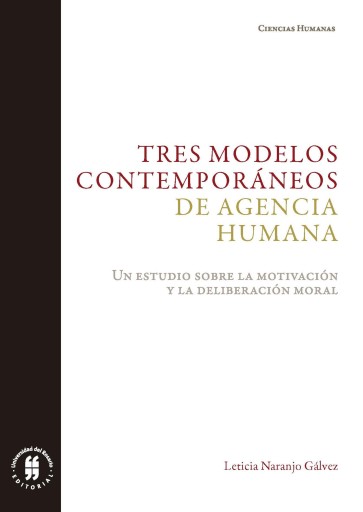
Tres modelos contemporáneos de agencia humana
Naranjo Gálvez, Leticia Elena
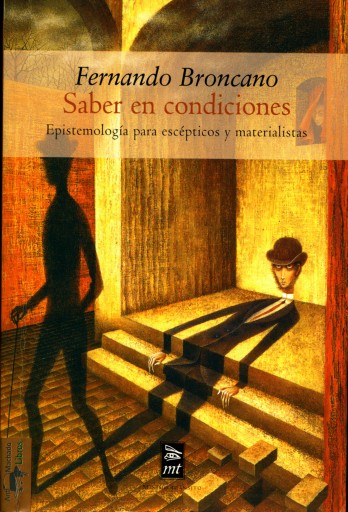
Saber en condiciones
Broncano, Fernando
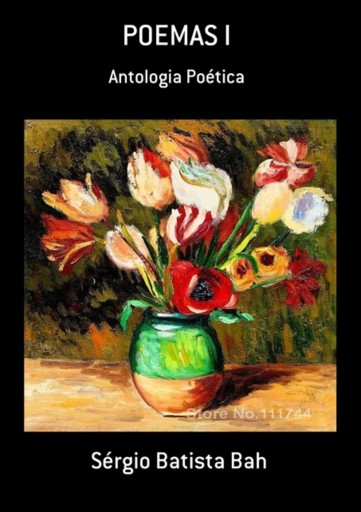
Poemas I
Bah, Sérgio Batista
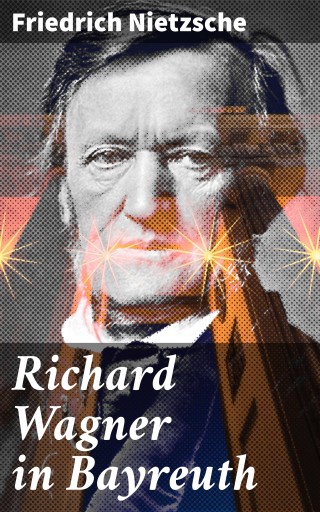
Richard Wagner in Bayreuth
Nietzsche, Friedrich

100 Clásicos de la Literatura Universal
Fitzgerald, Francis Scott, Shelley, Mary, Baum, Lyman Frank, Alcott, Louisa May, Alighieri, Dante, Austen, Jane, Bierce, Ambrose, Brontë, Emily, Burroughs, Edgar Rice, Carroll, Lewis, Collins, Wilkie, Descartes, René, Dickens, Charles, Dickinson, Emily, Dumas, Alexandre, Flaubert, Gustave, Galdós, Benito Pérez, von Goethe, Johann Wolfgang, Hardy, Thomas, Hoffmann, E. T. A., Irving, Washington, James, Henry, Joyce, James, Kafka, Franz, Leroux, Gastón, Lorca, Federico García, Lovecraft, H. P., Marón, Publio Virgilio, Montgomery, Lucy Maud, Polidori, John William, Polo, Marco, de Saint-Exupéry, Antoine, Salgari, Emilio, Scott, Walter, Twain, Mark, Verne, Jules, Verne Julio, Wells, H. G., Wharton, Edith, Wollstonecraft, Mary, Zweig, Stefan, Tzu, Sun, Stoker, Bram, Aristóteles, Shaw, George Bernard, Sienkiewicz, Henryk, Arenal, Concepción, Brontë, Charlotte, de Cervantes, Miguel, Chesterton, G. K., Defoe, Daniel, Dostoyevsky, Fyodor Mikhailovich, Doyle, Arthur Conan, Freud, Sigmund, Haggard, H. Rider, Homero, Kant, Immanuel, Kipling, Rudyard, Molière, Nietzsche, Friedrich, de Rojas, Fernando, Sófocles, Thackeray, William Makepeace, Tolstói, Leon, Voltaire, del Valle-Inclán, Ramón María, Wilde, Oscar, Woolf, Virginia

50 Clásicos que debes leer antes de morir
Shakespeare, William, Alighieri, Dante, Twain, Mark, Woolf, Virginia, Stevenson, Robert Louis, von Goethe, Johann Wolfgang, Flaubert, Gustave, Boccaccio, Giovanni, London, Jack, Joyce, James, Northup, Solomon, Hardy, Thomas, Scott, Walter, Aristóteles, Machado, Antonio, de Espronceda, José, Mill, John Stuart, Ibáñez, Vicente Blasco, Gibran, Kahlil, Doyle, Arthur Conan, Swift, Jonathan, Austen, Jane, Dumas, Alexandre, Hugo, Victor, Freud, Sigmund, Nietzsche, Friedrich, Meyrink, Gustav, Cooper, James Fenimore, Hawthorne, Nathaniel, Goethe, Johann Wolfgang, Baudelaire, Charles, Irving, Washington, Stowe, Harriet Beecher, Verne Julio, Lovecraft, H. P., De Unamuno, Miguel, Nervo, Amado, de Larra, Mariano José, de Quevedo, Francisco, del Valle-Inclán, Ramón María, Lorca, Federico García, Galdós, Benito Pérez, Brontë, Anne, Collodi, C., Dostoïevski, Fedor Mikhaïlovitch, Pushkin, Alexander Sergeyevich