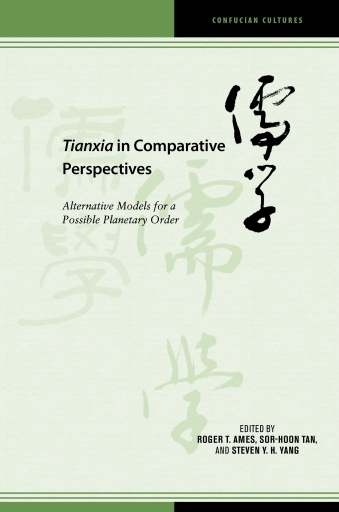
Tianxia in Comparative Perspectives
Publicado por University of Hawaii Press
English
2023
ISBN 9780824896034
eBook
Buy at Bookshop Uruguay
🇺🇾
 Association of University Presses - Tienda FILUNI
🇺🇸
Visitar tienda →
Association of University Presses - Tienda FILUNI
🇺🇸
Visitar tienda →
 Bajalibros Argentina
🇦🇷
Visitar tienda →
Bajalibros Argentina
🇦🇷
Visitar tienda →
 Bajalibros Latam
🇺🇸
Visitar tienda →
Bajalibros Latam
🇺🇸
Visitar tienda →
 Catademic
🇺🇸
Visitar tienda →
Catademic
🇺🇸
Visitar tienda →
Disponible en 13 librerías
Association of University Presses - Tienda FILUNI
🇺🇸
Visitar tienda →
Bajalibros Argentina
🇦🇷
Visitar tienda →
Bajalibros Latam
🇺🇸
Visitar tienda →
 Catademic
🇺🇸
Visitar tienda →
Catademic
🇺🇸
Visitar tienda →








Sobre este libro
Tianxia—conventionally translated as “all-under-Heaven”—in everyday Chinese parlance simply means “the world.” But tianxia is also a geopolitical term found in canonical writings that has a deeper historical and philosophical significance. Although there are many understandings of tianxia in this literature, interpretations within the Chinese process cosmology generally begin with an ecological understanding of intra-national relations that acknowledge the mutuality and interdependence of all economic and political activity.
This volume contextualizes the tianxia vision of geopolitical order within a variety of strategies drawn from a broad spectrum of cultures and peoples. The conversation among the contributors is guided by several central questions: Is tianxia the only model of cosmopolitanism? Are there ideas and ideals comparable to tianxia that exist in other cultures? What alternative perspectives of global justice have inspired Western, Indian, Islamic, Buddhist, and African cultural traditions? The fundamental premise here is that in order for a planetary tianxia system to be relevant and significant for the present time and for our vision of the future, it must acknowledge the plurality of moral ideals defining the world’s cultures while at the same time seek practical ways to formulate a minimalist morality that can provide the solidarity needed to bring the world’s people together.
Disponibilidad
Tianxia in Comparative Perspectives está disponible como eBook en 13 librerías online. Entre las librerías que lo venden están Association of University Presses - Tienda FILUNI, Bajalibros Argentina, Bajalibros Latam.
Categorías
- Idioma
- English
Compartir
Preguntas frecuentes
- ¿En qué formatos está disponible Tianxia in Comparative Perspectives?
- Tianxia in Comparative Perspectives está disponible como eBook en 13 librerías online.
- ¿Dónde puedo comprar Tianxia in Comparative Perspectives?
- Puedes comprar Tianxia in Comparative Perspectives en Association of University Presses - Tienda FILUNI, Bajalibros Argentina, Bajalibros Latam. Compara todas las opciones en la lista de esta página.
Valoraciones y reseñas
Aún no hay valoraciones. Sé el primero en reseñar este libro.
Acceder para valorar y reseñar este libro.