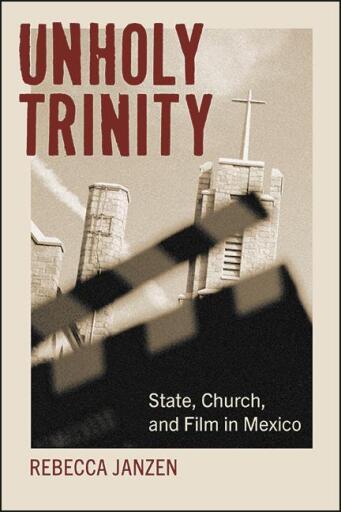
Unholy Trinity
Por Janzen, Rebecca
Publicado por State University of New York Press
Disponible en 13 librerías
 Bajalibros Argentina
🇦🇷
Visitar tienda →
Bajalibros Argentina
🇦🇷
Visitar tienda →
 Bajalibros Latam
🇺🇸
Visitar tienda →
Bajalibros Latam
🇺🇸
Visitar tienda →
 Bookshop Uruguay
🇺🇾
Visitar tienda →
Bookshop Uruguay
🇺🇾
Visitar tienda →
 Catademic
🇺🇸
Visitar tienda →
Catademic
🇺🇸
Visitar tienda →
 Crisol Ebooks
🇵🇪
Visitar tienda →
Crisol Ebooks
🇵🇪
Visitar tienda →








Sobre este libro
Disponibilidad
Unholy Trinity está disponible como PDF en 13 librerías online. Entre las librerías que lo venden están Bajalibros Argentina, Bajalibros Latam, Bookshop Uruguay.
- Idioma
- Inglés
Preguntas frecuentes
- ¿En qué formatos está disponible Unholy Trinity?
- Unholy Trinity está disponible como PDF en 13 librerías online.
- ¿Dónde puedo comprar Unholy Trinity?
- Puedes comprar Unholy Trinity en Bajalibros Argentina, Bajalibros Latam, Bookshop Uruguay. Compara todas las opciones en la lista de esta página.
- ¿Cuánto se tarda en leer Unholy Trinity?
- A un ritmo de lectura medio, Unholy Trinity se lee en unas 3 h 27 min (188 páginas).
Valoraciones y reseñas
Aún no hay valoraciones. Sé el primero en reseñar este libro.
Acceder para valorar y reseñar este libro.