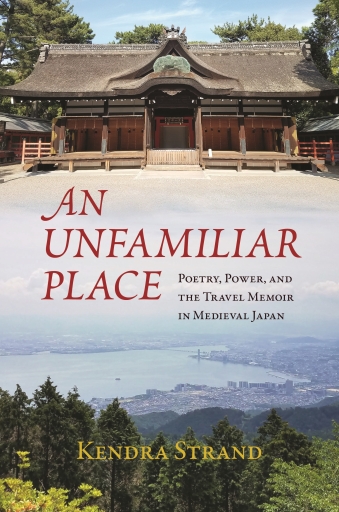
An Unfamiliar Place
Pubblicato da University of Hawaii Press
English
281 pagine
2025
ISBN 9798880702107
PDF
Buy at Bajalibros Latam
🇺🇸
 Bajalibros Latam
🇺🇸
Visita il negozio →
Bajalibros Latam
🇺🇸
Visita il negozio →
 Ebooks Librería Antártica
🇨🇱
Visita il negozio →
Ebooks Librería Antártica
🇨🇱
Visita il negozio →
 Bajalibros Argentina
🇦🇷
Visita il negozio →
Bajalibros Argentina
🇦🇷
Visita il negozio →
 Sanborns Ebooks
🇲🇽
Visita il negozio →
Sanborns Ebooks
🇲🇽
Visita il negozio →
 ebooks Libreria del GAM
🇨🇱
Visita il negozio →
ebooks Libreria del GAM
🇨🇱
Visita il negozio →
 Bookshop Uruguay
🇺🇾
Visita il negozio →
Bookshop Uruguay
🇺🇾
Visita il negozio →
 Ebooks Yenny - El Ateneo
🇦🇷
Visita il negozio →
Ebooks Yenny - El Ateneo
🇦🇷
Visita il negozio →
 Crisol Ebooks
🇵🇪
Visita il negozio →
Crisol Ebooks
🇵🇪
Visita il negozio →
Disponibile in 8 librerie
Bajalibros Latam
🇺🇸
Visita il negozio →
Ebooks Librería Antártica
🇨🇱
Visita il negozio →
Bajalibros Argentina
🇦🇷
Visita il negozio →
Sanborns Ebooks
🇲🇽
Visita il negozio →
ebooks Libreria del GAM
🇨🇱
Visita il negozio →
Bookshop Uruguay
🇺🇾
Visita il negozio →
Ebooks Yenny - El Ateneo
🇦🇷
Visita il negozio →
Crisol Ebooks
🇵🇪
Visita il negozio →
Informazioni su questo libro
<p>In mid-fourteenth-century Japan, amid decades of civil unrest caused by a violent rivalry over imperial succession, three men embarked on journeys that would lead them to reimagine their world: the second Ashikaga shogun and general Yoshiakira (1330–1367), the Buddhist lay priest Sōkyū (ca. 1350), and the statesman Nijō Yoshimoto (1320–1388). All three shared elite social status, political connections, and a deep engagement with poetry.<br><br>Yoshiakira traveled from Kyoto to Sumiyoshi Shrine in Osaka to pray for poetic skill; Sōkyū left his home in Kyushu and wandered for three years across Honshu, visiting sites celebrated in traditional waka poetry; and Yoshimoto, after fleeing an attack on his home in Kyoto, found refuge in distant Ojima and comfort in composing poetry surrounded by “the scene of an unfamiliar place.” Their memoirs, written within a decade of each other, offer important insights into how their worldviews—formed by centuries of canonical literature and court traditions—were increasingly challenged by their encounters with new situations and territory, landscapes they would capture from perspectives of absence and erasure.<br><br><i>An Unfamiliar Place</i> examines how these three traveler-poets used both literal and metaphorical “unfamiliar places” as sites of expressive power, to not only explore novel ways of existing in and moving through the world, but also reassess their assumptions about the social and cultural significance of geographic space.</p>
Categorie
- Lingua
- English
Condividi