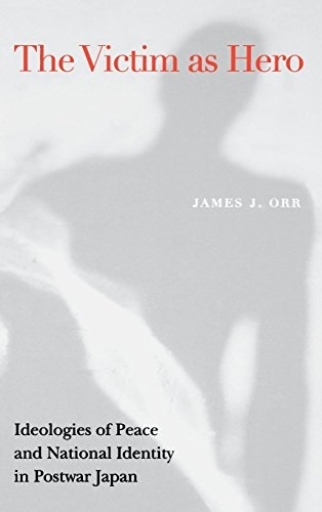
The Victim as Hero
Pubblicato da University of Hawaii Press
English
281 pagine
2001
ISBN 9780824865153
Tempo di lettura stimato: 5 h 9 min
PDF
Buy at ebookskitapenas
🇬🇹
 Association of University Presses - Tienda FILUNI
🇺🇸
Visita il negozio →
Association of University Presses - Tienda FILUNI
🇺🇸
Visita il negozio →
 Bajalibros Argentina
🇦🇷
Visita il negozio →
Bajalibros Argentina
🇦🇷
Visita il negozio →
 Bajalibros Latam
🇺🇸
Visita il negozio →
Bajalibros Latam
🇺🇸
Visita il negozio →
 Bookshop Uruguay
🇺🇾
Visita il negozio →
Bookshop Uruguay
🇺🇾
Visita il negozio →
 Catademic
🇺🇸
Visita il negozio →
Catademic
🇺🇸
Visita il negozio →
Disponibile in 13 librerie
Association of University Presses - Tienda FILUNI
🇺🇸
Visita il negozio →
Bajalibros Argentina
🇦🇷
Visita il negozio →
Bajalibros Latam
🇺🇸
Visita il negozio →
Bookshop Uruguay
🇺🇾
Visita il negozio →
Catademic
🇺🇸
Visita il negozio →








Informazioni su questo libro
This is the first systematic, historical inquiry into the emergence of "victim consciousness" (higaisha ishiki) as an essential component of Japanese pacifist national identity after World War II. In his meticulously crafted narrative and analysis, the author reveals how postwar Japanese elites and American occupying authorities collaborated to structure the parameters of remembrance of the war, including the notion that the emperor and his people had been betrayed and duped by militarists. He goes on to explain the Japanese reliance on victim consciousness through a discussion of the ban-the-bomb movement of the mid-1950s, which raised the prominence of Hiroshima as an archetype of war victimhood and brought about the selective focus on Japanese war victimhood; the political strategies of three self-defined war victim groups (A-bomb victims, repatriates, and dispossessed landlords) to gain state compensation and hence valorization of their war victim experiences; shifting textbook narratives that reflected contemporary attitudes and structured future generations' understanding of the war; and three classic antiwar novels and films that contributed to the shaping of a "sentimental humanism" that continues to leave a strong imprint on the collective Japanese conscience.
Disponibilità
The Victim as Hero è disponibile come PDF in 13 librerie online. Tra le librerie che lo vendono ci sono Association of University Presses - Tienda FILUNI, Bajalibros Argentina, Bajalibros Latam.
Categorie
- Lingua
- English
Condividi
Domande frequenti
- In quali formati è disponibile The Victim as Hero?
- The Victim as Hero è disponibile come PDF in 13 librerie online.
- Dove posso comprare The Victim as Hero?
- Puoi comprare The Victim as Hero su Association of University Presses - Tienda FILUNI, Bajalibros Argentina, Bajalibros Latam. Confronta tutte le opzioni nell’elenco di questa pagina.
- Quanto tempo ci vuole per leggere The Victim as Hero?
- A un ritmo di lettura medio, The Victim as Hero si legge in circa 5 h 9 min (281 pagine).
Valutazioni e recensioni
Ancora nessuna valutazione. Sii il primo a recensire questo libro.
Accedi per valutare e recensire questo libro.