
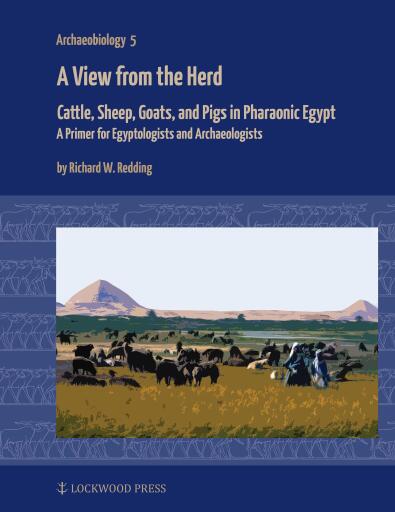
A View from the Herd
Publicado por Lockwood Press
English
211 páginas
2024
ISBN 9781957454092
PDF
Buy at Catademic
🇺🇸
 Catademic
🇺🇸
Visitar loja →
Catademic
🇺🇸
Visitar loja →
 Bajalibros Latam
🇺🇸
Visitar loja →
Bajalibros Latam
🇺🇸
Visitar loja →
 LORANCHBOOKSTORE
🇺🇸
Visitar loja →
LORANCHBOOKSTORE
🇺🇸
Visitar loja →
 Ebooks Librería Carlos Fuentes
🇲🇽
Visitar loja →
Ebooks Librería Carlos Fuentes
🇲🇽
Visitar loja →
 ebooks libreria española
🇪🇨
Visitar loja →
ebooks libreria española
🇪🇨
Visitar loja →
 Bajalibros Argentina
🇦🇷
Visitar loja →
Bajalibros Argentina
🇦🇷
Visitar loja →
 Alpha Books
🇨🇴
Visitar loja →
Alpha Books
🇨🇴
Visitar loja →
 Sanborns Ebooks
🇲🇽
Visitar loja →
Sanborns Ebooks
🇲🇽
Visitar loja →
 ebooks Libreria del GAM
🇨🇱
Visitar loja →
ebooks Libreria del GAM
🇨🇱
Visitar loja →
 Bookshop Uruguay
🇺🇾
Visitar loja →
Bookshop Uruguay
🇺🇾
Visitar loja →
 Ebooks Yenny - El Ateneo
🇦🇷
Visitar loja →
Ebooks Yenny - El Ateneo
🇦🇷
Visitar loja →
 Crisol Ebooks
🇵🇪
Visitar loja →
Crisol Ebooks
🇵🇪
Visitar loja →
Disponível em 12 livrarias
Catademic
🇺🇸
Visitar loja →
Bajalibros Latam
🇺🇸
Visitar loja →
LORANCHBOOKSTORE
🇺🇸
Visitar loja →
Ebooks Librería Carlos Fuentes
🇲🇽
Visitar loja →
ebooks libreria española
🇪🇨
Visitar loja →
Bajalibros Argentina
🇦🇷
Visitar loja →
Alpha Books
🇨🇴
Visitar loja →
Sanborns Ebooks
🇲🇽
Visitar loja →
ebooks Libreria del GAM
🇨🇱
Visitar loja →
Bookshop Uruguay
🇺🇾
Visitar loja →
Ebooks Yenny - El Ateneo
🇦🇷
Visitar loja →
Crisol Ebooks
🇵🇪
Visitar loja →
Sobre este livro
In this book, the late Richard Redding synthesizes his decades-long work on the ancient agricultural economy of Egypt. Drawing on a diverse range of data, including zooarchaeology, ancient texts, and iconographic sources, he explores the role of cattle, sheep, goats, and pigs in the economic infrastructure of ancient, mainly Pharaonic, Egypt and the complexities of decision-making processes that shaped the use and management of these vital livestock resources. The book integrates zooarchaeological and historical data with information on unimproved breeds of cattle, sheep, goats, and pigs from Egypt and the broader Middle East as well as considers texts and tomb paintings. Redding argues that understanding the interplay between economic forces, environmental factors, and herders' knowledge of animal characteristics is crucial for unraveling the dynamic nature of decision-making. The author explores herd growth rates, meat yields, caloric and nutritional benefits, and optimal herd structures. By employing that data and ecological models, including the annual Nile floods, he provides insights into the adaptive strategies employed by ancient Egyptian herders. In this way, Redding examines the economic rationale behind ancient Egyptian herding communities. His models of Pharaonic herding strategies generate expectations tested using zooarchaeological evidence. Redding long advocated the modeling approach he demonstrates here, understanding zooarchaeological data through a lens of animal biology and environmental context. This work should therefore spark wide interest among archaeologists working in disparate regions.
Categorias
- Idioma
- English
Compartilhar
Você também pode gostar

Ancient Egypt: History, Mythology & Literature
Gilman, Arthur, Budge, E. A. Wallis, Johns, Agnes Sophia Griffith, Rawlinson, George, Spence, Lewis, Maspero, Gaston
The Kiosk of Taharqa
Minas-Nerpel, Martina, Preys, Rene
The Discovery of Tutankhamun's Tomb (Illustrated Edition)
Mace, Arthur Cruttenden, Carter, Howard
La porte d'Amon. Le deuxieme pylone de Karnak I
Broze, Michele, Preys, Rene
History of Ancient Egypt
Gilman, Arthur, Rawlinson, George
Vetement Monastique en Egypte (IVe-VIIIe Siecle)
Mossakowska-Gaubert, Maria