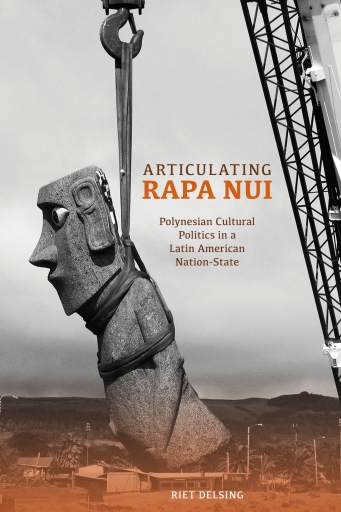
Articulating Rapa Nui
Por Delsing, Riet
Publicado por University of Hawaii Press
English
306 páginas
2015
ISBN 9780824854614
PDF
Buy at Bajalibros Latam
🇺🇸
Catademic
🇺🇸
Visitar loja →
Bajalibros Latam
🇺🇸
Visitar loja →
Association of University Presses - Tienda FILUNI
🇺🇸
Visitar loja →

Ebooks Librería Antártica
🇨🇱
Visitar loja →
Ebooks Agustin
🇪🇸
Visitar loja →
Bajalibros Argentina
🇦🇷
Visitar loja →

Sanborns Ebooks
🇲🇽
Visitar loja →
ebooks Libreria del GAM
🇺🇾
Visitar loja →
Bookshop Uruguay
🇺🇾
Visitar loja →

ebookskitapenas
🇬🇹
Visitar loja →
Ebooks Yenny - El Ateneo
🇦🇷
Visitar loja →
Crisol Ebooks
🇨🇴
Visitar loja →
Disponível em 12 livrarias
Catademic
🇺🇸
Visitar loja →
Association of University Presses - Tienda FILUNI
🇺🇸
Visitar loja →
Ebooks Librería Antártica
🇨🇱
Visitar loja →
Ebooks Agustin
🇪🇸
Visitar loja →
Sanborns Ebooks
🇲🇽
Visitar loja →
ebooks Libreria del GAM
🇺🇾
Visitar loja →
ebookskitapenas
🇬🇹
Visitar loja →
Ebooks Yenny - El Ateneo
🇦🇷
Visitar loja →
Crisol Ebooks
🇨🇴
Visitar loja →
Sobre este livro
<p>In this groundbreaking study, Riet Delsing narrates the colonization of the Pacific island of Rapa Nui and its indigenous inhabitants. The annexation of the island by Chile, in the heydays of world imperialism, places the small Latin American country in a unique position in the history of global colonialism. The analysis of this ongoing colonization process constitutes a “missing link” in Pacific Islands studies and facilitates future comparisons with other colonial adventures in the Pacific by the United States (Hawai‘i, American Samoa), France (Tahiti), and New Zealand (Maori and Cook Islands). <br><br>The first part of the book surveys the history of the Chile–Rapa Nui relationship from its beginning in the 1880s until the present. Delsing delineates the Rapanui people’s agency along with their cultural logic, showing their resilience and will to remain Rapanui— indigenous Pacific islanders rather than an ethnic minority forcefully integrated into the Chilean nation-state. In the second part, the author describes the Rapanui’s contemporary emphasis on the revitalization of their language, traditional concepts about land tenure, a unique corpus of material and performative culture, renewed contact with other Pacific island cultures, and creative acts of resistance against Chilean colonialism. Emergent in her analysis is the effect of Rapa Nui’s vibrant tourist industry—commodification of Rapanui difference is creating the possibility to loosen economic and political ties with Chile.<br><br>Drawing on statements of several Rapanui, she concludes that over the past few decades they have acquired a different kind of interpretive power, based on which they are making choices that serve them as a people on the road to cultural and political self-determination. Contemporary Rapa Nui is thus a modern, articulated place, marked by spirited identity politics that show the resilience and adaptability of the indigenous people who inhabit this island.</p>
- Idioma
- English
Compartilhar
Você também pode gostar
Cultura y dictadura
Karen Donoso Fritz
São Paulo deve ser destruída
Assunção, Moacir
1954: um tiro no coração
Silva, Hélio
Estado de excepción, limpieza social y represión en Bucaramanga, 1978-1990
Acevedo, Álvaro, Álvarez, René, Mejía, Andrea, Correa, Andrés, Betancourt, Diana, Pachón, Damián, Méndez, Raquel
Historia de la Argentina, 1955-2020
Novaro, Marcos
Te contamos una historia de Mendoza
Bragoni, Beatriz, Brachetta, María Teresa, Mellado, Virginia, Pelagatti, Oriana