
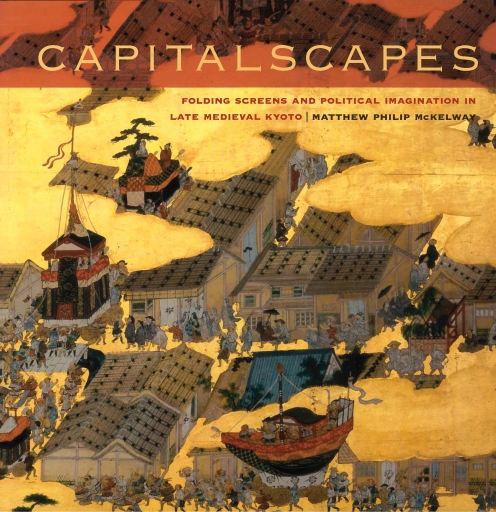
Capitalscapes
Publicado por University of Hawaii Press
English
297 páginas
2006
ISBN 9780824861773
PDF
Buy at Catademic
🇺🇸
 Catademic
🇺🇸
Visitar loja →
Catademic
🇺🇸
Visitar loja →
 Bajalibros Latam
🇺🇸
Visitar loja →
Bajalibros Latam
🇺🇸
Visitar loja →
 Association of University Presses - Tienda FILUNI
🇺🇸
Visitar loja →
Association of University Presses - Tienda FILUNI
🇺🇸
Visitar loja →
 Ebooks Librería Antártica
🇨🇱
Visitar loja →
Ebooks Librería Antártica
🇨🇱
Visitar loja →
 Ebooks Agustin
🇪🇸
Visitar loja →
Ebooks Agustin
🇪🇸
Visitar loja →
 Bajalibros Argentina
🇦🇷
Visitar loja →
Bajalibros Argentina
🇦🇷
Visitar loja →
 Sanborns Ebooks
🇲🇽
Visitar loja →
Sanborns Ebooks
🇲🇽
Visitar loja →
 ebooks Libreria del GAM
🇨🇱
Visitar loja →
ebooks Libreria del GAM
🇨🇱
Visitar loja →
 Bookshop Uruguay
🇺🇾
Visitar loja →
Bookshop Uruguay
🇺🇾
Visitar loja →
 ebookskitapenas
🇬🇹
Visitar loja →
ebookskitapenas
🇬🇹
Visitar loja →
 Ebooks Yenny - El Ateneo
🇦🇷
Visitar loja →
Ebooks Yenny - El Ateneo
🇦🇷
Visitar loja →
 Crisol Ebooks
🇵🇪
Visitar loja →
Crisol Ebooks
🇵🇪
Visitar loja →
Disponível em 12 livrarias
Catademic
🇺🇸
Visitar loja →
Bajalibros Latam
🇺🇸
Visitar loja →
Association of University Presses - Tienda FILUNI
🇺🇸
Visitar loja →
Ebooks Librería Antártica
🇨🇱
Visitar loja →
Ebooks Agustin
🇪🇸
Visitar loja →
Bajalibros Argentina
🇦🇷
Visitar loja →
Sanborns Ebooks
🇲🇽
Visitar loja →
ebooks Libreria del GAM
🇨🇱
Visitar loja →
Bookshop Uruguay
🇺🇾
Visitar loja →
ebookskitapenas
🇬🇹
Visitar loja →
Ebooks Yenny - El Ateneo
🇦🇷
Visitar loja →
Crisol Ebooks
🇵🇪
Visitar loja →
Sobre este livro
<p>Following the destruction of Kyoto during the civil wars of the late fifteenth century, large-scale panoramic paintings of the city began to emerge. These enormous and intricately detailed depictions of the ancient imperial capital were unprecedented in the history of Japanese painting and remain unmatched as representations of urban life in any artistic tradition. <i>Capitalscapes,</i> the first book-length study of the Kyoto screens, examines their inception in the sixteenth to early seventeenth centuries, focusing on the political motivations that sparked their creation.<br><br>Close readings of the Kyoto screens reveal that they were initially commissioned by or for members of the Ashikaga shogunate and that urban panoramas reflecting the interests of both prevailing and moribund political elites were created to underscore the legitimacy of the newly ascendant Tokugawa regime. Matthew McKelway’s analysis of the screens exposes their creators’ masterful exploitation of ostensibly accurate depictions to convey politically biased images of Japan’s capital. His overarching methodology combines a historical approach, which considers the paintings in light of contemporary reports (diaries, chronicles, ritual accounts), with a thematic one, isolating individual motifs, deciphering their visual language, and comparing them with depictions in other works. <br><br>McKelway’s combined approach allows him to argue that the Kyoto screens were conceived and perpetuated as a painting genre that conveyed specific political meanings to viewers even as it provided textured details of city life. Students and scholars of Japanese art will find this lavishly illustrated work especially valuable for its insights into the cityscape painting genre, while those interested in urban and political history will appreciate its bold exploration of Kyoto’s past and the city’s late-medieval martial elite.</p>
Categorias
- Idioma
- English
Compartilhar
Você também pode gostar

The Face of Jizo
Glassman, Hank

Radicals and Realists in the Japanese Nonverbal Arts
Havens, Thomas R. H.

Challenging Past and Present
Impressions of Ukiyo-E
von Seidlitz, Woldemar, Amsden, Dora

Art of Siberia
Gorbatcheva, Valentina, Federova, Marina
L'art de l'Asie Centrale
Lukonin, Vladimir, Ivanov, Anatoly