
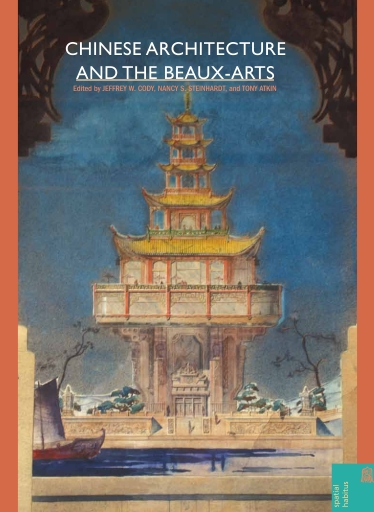
Chinese Architecture and the Beaux-Arts
Por Cody, Jeffrey W., Steinhardt, Nancy Shatzman, Atkin, Tony
Publicado por University of Hawaii Press
Disponível em 13 livrarias
 Association of University Presses - Tienda FILUNI
🇺🇸
Visitar loja →
Association of University Presses - Tienda FILUNI
🇺🇸
Visitar loja →
 Bajalibros Argentina
🇦🇷
Visitar loja →
Bajalibros Argentina
🇦🇷
Visitar loja →
 Bajalibros Latam
🇺🇸
Visitar loja →
Bajalibros Latam
🇺🇸
Visitar loja →
 Bookshop Uruguay
🇺🇾
Visitar loja →
Bookshop Uruguay
🇺🇾
Visitar loja →









Sobre este livro
Disponibilidade
Chinese Architecture and the Beaux-Arts está disponível como PDF em 13 livrarias online. Entre as livrarias que o vendem estão Association of University Presses - Tienda FILUNI, Bajalibros Argentina, Bajalibros Latam.
- Idioma
- English
Perguntas frequentes
- Em quais formatos Chinese Architecture and the Beaux-Arts está disponível?
- Chinese Architecture and the Beaux-Arts está disponível como PDF em 13 livrarias online.
- Onde posso comprar Chinese Architecture and the Beaux-Arts?
- Você pode comprar Chinese Architecture and the Beaux-Arts em Association of University Presses - Tienda FILUNI, Bajalibros Argentina, Bajalibros Latam. Compare todas as opções na lista desta página.
- Quanto tempo leva para ler Chinese Architecture and the Beaux-Arts?
- Em um ritmo médio de leitura, Chinese Architecture and the Beaux-Arts leva cerca de 7 h 31 min para ser lido (410 páginas).
Avaliações e resenhas
Ainda não há avaliações. Seja o primeiro a resenhar este livro.
Entrar para avaliar e resenhar este livro.
Você também pode gostar

Somente As Escrituras
Ramallo, Victor Hugo
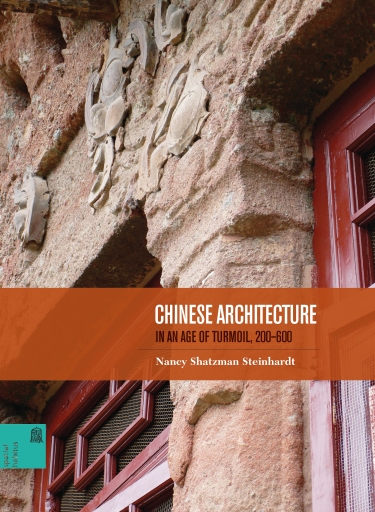
Chinese Architecture in an Age of Turmoil, 200-600
Steinhardt, Nancy Shatzman

Sete Flores
De Freitas, Jose Carlos
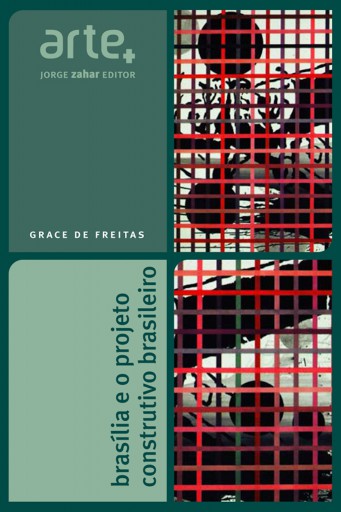
Brasília e o projeto construtivo brasileiro
Freitas, Grace de

Pornotopia
Preciado, Paul B.

O Making da Metrópele
Szaniecki, Barbara, Cocco, Giuseppe