
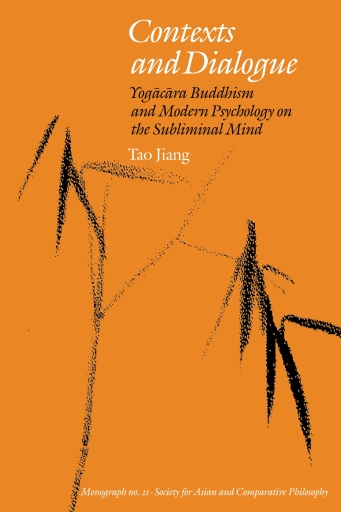
Contexts and Dialogue
Por Jiang, Tao
Publicado por University of Hawaii Press
English
215 páginas
2006
ISBN 9780824861988
PDF
Buy at Bajalibros Latam
🇺🇸
 Catademic
🇺🇸
Visitar loja →
Catademic
🇺🇸
Visitar loja →
 Bajalibros Latam
🇺🇸
Visitar loja →
Bajalibros Latam
🇺🇸
Visitar loja →
 Association of University Presses - Tienda FILUNI
🇺🇸
Visitar loja →
Association of University Presses - Tienda FILUNI
🇺🇸
Visitar loja →
 Ebooks Librería Antártica
🇨🇱
Visitar loja →
Ebooks Librería Antártica
🇨🇱
Visitar loja →
 Ebooks Agustin
🇪🇸
Visitar loja →
Ebooks Agustin
🇪🇸
Visitar loja →
 Bajalibros Argentina
🇦🇷
Visitar loja →
Bajalibros Argentina
🇦🇷
Visitar loja →
 Sanborns Ebooks
🇲🇽
Visitar loja →
Sanborns Ebooks
🇲🇽
Visitar loja →
 ebooks Libreria del GAM
🇨🇱
Visitar loja →
ebooks Libreria del GAM
🇨🇱
Visitar loja →
 Bookshop Uruguay
🇺🇾
Visitar loja →
Bookshop Uruguay
🇺🇾
Visitar loja →
 ebookskitapenas
🇬🇹
Visitar loja →
ebookskitapenas
🇬🇹
Visitar loja →
 Ebooks Yenny - El Ateneo
🇦🇷
Visitar loja →
Ebooks Yenny - El Ateneo
🇦🇷
Visitar loja →
 Crisol Ebooks
🇵🇪
Visitar loja →
Crisol Ebooks
🇵🇪
Visitar loja →
Disponível em 12 livrarias
Catademic
🇺🇸
Visitar loja →
Bajalibros Latam
🇺🇸
Visitar loja →
Association of University Presses - Tienda FILUNI
🇺🇸
Visitar loja →
Ebooks Librería Antártica
🇨🇱
Visitar loja →
Ebooks Agustin
🇪🇸
Visitar loja →
Bajalibros Argentina
🇦🇷
Visitar loja →
Sanborns Ebooks
🇲🇽
Visitar loja →
ebooks Libreria del GAM
🇨🇱
Visitar loja →
Bookshop Uruguay
🇺🇾
Visitar loja →
ebookskitapenas
🇬🇹
Visitar loja →
Ebooks Yenny - El Ateneo
🇦🇷
Visitar loja →
Crisol Ebooks
🇵🇪
Visitar loja →
Sobre este livro
<p>Are there Buddhist conceptions of the unconscious? If so, are they more Freudian, Jungian, or something else? If not, can Buddhist conceptions be reconciled with the Freudian, Jungian, or other models? These are some of the questions that have motivated modern scholarship to approach <i>ālayavijñāna</i>, the storehouse consciousness, formulated in Yogācāra Buddhism as a subliminal reservoir of tendencies, habits, and future possibilities.<br><br>Tao Jiang argues convincingly that such questions are inherently problematic because they frame their interpretations of the Buddhist notion largely in terms of responses to modern psychology. He proposes that, if we are to understand <i>ālayavijñāna</i> properly and compare it with the unconscious responsibly, we need to change the way the questions are posed so that <i>ālayavijñāna</i> and the unconscious can first be understood within their own contexts and then recontextualized within a dialogical setting. In so doing, certain paradigmatic assumptions embedded in the original frameworks of Buddhist and modern psychological theories are exposed. Jiang brings together Xuan Zang’s <i>ālayavijñāna</i> and Freud’s and Jung’s unconscious to focus on what the differences are in the thematic concerns of the three theories, why such differences exist in terms of their objectives, and how their methods of theorization contribute to these differences.<br><br><i>Contexts and Dialogue</i> puts forth a fascinating, erudite, and carefully argued presentation of the subliminal mind. It proposes a new paradigm in comparative philosophy that examines the what, why, and how in navigating the similarities and differences of philosophical systems through contextualization and recontextualization.</p>
- Idioma
- English
Compartilhar
Você também pode gostar

O livro tibetano dos mortos sem mistérios
Rinpoche, Lama Lhanang, Levine, Mordy

Die Kunst des Loslassens
Desai, Amitabh

Das Geheimnis der Glückspranke. Kurzgeschichten für Achtsamkeit und Zufriedenheit
Niura, Hiroto

Pragmatischer Neokonfuzianismus
Wáng, Tíngxiàng
The Dhammapada, Vol. 6
Osho
Chan Before Chan
Greene, Eric M.