
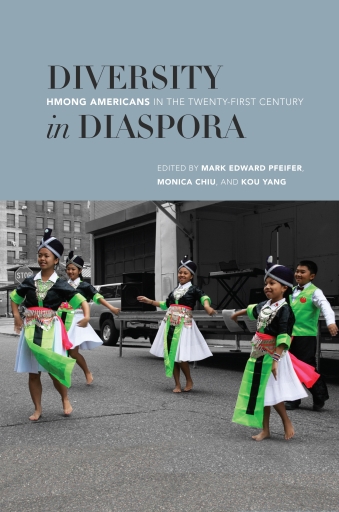
Diversity in Diaspora
Publicado por University of Hawaii Press
English
322 páginas
2013
ISBN 9780824837778
PDF
Buy at Catademic
🇺🇸
 Catademic
🇺🇸
Visitar loja →
Catademic
🇺🇸
Visitar loja →
 Bajalibros Latam
🇺🇸
Visitar loja →
Bajalibros Latam
🇺🇸
Visitar loja →
 Association of University Presses - Tienda FILUNI
🇺🇸
Visitar loja →
Association of University Presses - Tienda FILUNI
🇺🇸
Visitar loja →
 Ebooks Librería Antártica
🇨🇱
Visitar loja →
Ebooks Librería Antártica
🇨🇱
Visitar loja →
 Ebooks Agustin
🇪🇸
Visitar loja →
Ebooks Agustin
🇪🇸
Visitar loja →
 Bajalibros Argentina
🇦🇷
Visitar loja →
Bajalibros Argentina
🇦🇷
Visitar loja →
 Sanborns Ebooks
🇲🇽
Visitar loja →
Sanborns Ebooks
🇲🇽
Visitar loja →
 ebooks Libreria del GAM
🇨🇱
Visitar loja →
ebooks Libreria del GAM
🇨🇱
Visitar loja →
 Bookshop Uruguay
🇺🇾
Visitar loja →
Bookshop Uruguay
🇺🇾
Visitar loja →
 ebookskitapenas
🇬🇹
Visitar loja →
ebookskitapenas
🇬🇹
Visitar loja →
 Ebooks Yenny - El Ateneo
🇦🇷
Visitar loja →
Ebooks Yenny - El Ateneo
🇦🇷
Visitar loja →
 Crisol Ebooks
🇵🇪
Visitar loja →
Crisol Ebooks
🇵🇪
Visitar loja →
Disponível em 12 livrarias
Catademic
🇺🇸
Visitar loja →
Bajalibros Latam
🇺🇸
Visitar loja →
Association of University Presses - Tienda FILUNI
🇺🇸
Visitar loja →
Ebooks Librería Antártica
🇨🇱
Visitar loja →
Ebooks Agustin
🇪🇸
Visitar loja →
Bajalibros Argentina
🇦🇷
Visitar loja →
Sanborns Ebooks
🇲🇽
Visitar loja →
ebooks Libreria del GAM
🇨🇱
Visitar loja →
Bookshop Uruguay
🇺🇾
Visitar loja →
ebookskitapenas
🇬🇹
Visitar loja →
Ebooks Yenny - El Ateneo
🇦🇷
Visitar loja →
Crisol Ebooks
🇵🇪
Visitar loja →
Sobre este livro
<p>This anthology wrestles with Hmong Americans’ inclusion into and contributions to Asian American studies, as well as to American history and culture and refugee, immigrant, and diasporic trajectories. It negotiates both Hmong American political and cultural citizenship, meticulously rewriting the established view of the Hmong as “new” Asian neighbors—an approach articulated, Hollywood style, in Clint Eastwood’s film <i>Gran Torino.</i> The collection boldly moves Hmong American studies away from its usual groove of refugee recapitulation that entrenches Hmong Americans points-of-origin and acculturation studies rather than propelling the field into other exciting academic avenues.<br><br>Following a summary of more than three decades’ of Hmong American experience and a demographic overview, chapters investigate the causes of and solutions to socioeconomic immobility in the Hmong American community and political and civic activism, including Hmong American electoral participation and its affects on policymaking. The influence of Hmong culture on young men is examined, followed by profiles of female Hmong leaders who discuss the challenges they face and interviews with aging Hmong Americans. A section on arts and literature looks at the continuing relevance of oral tradition to Hmong Americans’ successful navigation in the diaspora, similarities between rap and <i>kwv txhiaj</i> (unrehearsed, sung poetry), and Kao Kalia Yang’s memoir, <i>The Latehomecomer. </i>The final chapter addresses the lay of the land in Hmong American studies, constituting a comprehensive literature review.<br><br><i>Diversity in Diaspora</i> showcases the desire to shape new contours of Hmong American studies as Hmong American scholars themselves address new issues. It represents an essential step in carving out space for Hmong Americans as primary actors in their own right and in placing Hmong American studies within the purview of Asian American studies.</p>
Categorias
- Idioma
- English
Compartilhar
Você também pode gostar

Chile: historia del futuro
Ramón Rada

Huenun Ñamku: Un mapuche de los Andes recuerda el pasado
M. Inez Hilger, Margaret Mondloch
Encountering Modernity
What Is Asian American Biblical Hermeneutics? Reading the New Testament
Liew, Tat-siong Benny

Crowning the Nice Girl
Yano, Christine R.
Enfleshing Freedom
Copeland, Shawn M.