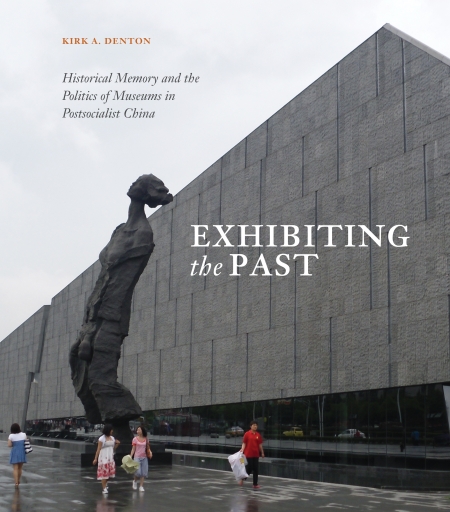
Exhibiting the Past
Por Denton, Kirk A.
Publicado por University of Hawaii Press
English
362 páginas
2013
ISBN 9780824840068
PDF
Buy at Association of University Presses - Tienda FILUNI
🇺🇸
 Catademic
🇺🇸
Visitar loja →
Catademic
🇺🇸
Visitar loja →
 Bajalibros Latam
🇺🇸
Visitar loja →
Bajalibros Latam
🇺🇸
Visitar loja →
 Association of University Presses - Tienda FILUNI
🇺🇸
Visitar loja →
Association of University Presses - Tienda FILUNI
🇺🇸
Visitar loja →
 Ebooks Librería Antártica
🇨🇱
Visitar loja →
Ebooks Librería Antártica
🇨🇱
Visitar loja →
 Ebooks Agustin
🇪🇸
Visitar loja →
Ebooks Agustin
🇪🇸
Visitar loja →
 Bajalibros Argentina
🇦🇷
Visitar loja →
Bajalibros Argentina
🇦🇷
Visitar loja →
 Sanborns Ebooks
🇲🇽
Visitar loja →
Sanborns Ebooks
🇲🇽
Visitar loja →
 ebooks Libreria del GAM
🇨🇱
Visitar loja →
ebooks Libreria del GAM
🇨🇱
Visitar loja →
 Bookshop Uruguay
🇺🇾
Visitar loja →
Bookshop Uruguay
🇺🇾
Visitar loja →
 ebookskitapenas
🇬🇹
Visitar loja →
ebookskitapenas
🇬🇹
Visitar loja →
 Ebooks Yenny - El Ateneo
🇦🇷
Visitar loja →
Ebooks Yenny - El Ateneo
🇦🇷
Visitar loja →
 Crisol Ebooks
🇵🇪
Visitar loja →
Crisol Ebooks
🇵🇪
Visitar loja →
Disponível em 12 livrarias
Catademic
🇺🇸
Visitar loja →
Bajalibros Latam
🇺🇸
Visitar loja →
Association of University Presses - Tienda FILUNI
🇺🇸
Visitar loja →
Ebooks Librería Antártica
🇨🇱
Visitar loja →
Ebooks Agustin
🇪🇸
Visitar loja →
Bajalibros Argentina
🇦🇷
Visitar loja →
Sanborns Ebooks
🇲🇽
Visitar loja →
ebooks Libreria del GAM
🇨🇱
Visitar loja →
Bookshop Uruguay
🇺🇾
Visitar loja →
ebookskitapenas
🇬🇹
Visitar loja →
Ebooks Yenny - El Ateneo
🇦🇷
Visitar loja →
Crisol Ebooks
🇵🇪
Visitar loja →
Sobre este livro
<p>During the Mao era, China’s museums served an explicit and uniform propaganda function, underlining official Party history, eulogizing revolutionary heroes, and contributing to nation building and socialist construction. With the implementation of the post-Mao modernization program in the late 1970s and 1980s and the advent of globalization and market reforms in the 1990s, China underwent a radical social and economic transformation that has led to a vastly more heterogeneous culture and polity. Yet China is dominated by a single Leninist party that continues to rely heavily on its revolutionary heritage to generate political legitimacy. With its messages of collectivism, self-sacrifice, and class struggle, that heritage is increasingly at odds with Chinese society and with the state’s own neoliberal ideology of rapid-paced development, glorification of the market, and entrepreneurship. In this ambiguous political environment, museums and their curators must negotiate between revolutionary ideology and new kinds of historical narratives that reflect and highlight a neoliberal present. <br><br>In <i>Exhibiting the Past</i>, Kirk Denton analyzes types of museums and exhibitionary spaces, from revolutionary history museums, military museums, and memorials to martyrs to museums dedicated to literature, ethnic minorities, and local history. He discusses red tourism—a state sponsored program developed in 2003 as a new form of patriotic education designed to make revolutionary history come alive—and urban planning exhibition halls, which project utopian visions of China’s future that are rooted in new conceptions of the past. Denton’s method is narratological in the sense that he analyzes the stories museums tell about the past and the political and ideological implications of those stories. Focusing on “official” exhibitionary culture rather than alternative or counter memory, Denton reinserts the state back into the discussion of postsocialist culture because of its centrality to that culture and to show that state discourse in China is neither monolithic nor unchanging. The book considers the variety of ways state museums are responding to the dramatic social, technological, and cultural changes China has experienced over the past three decades.</p>
- Idioma
- English
Compartilhar