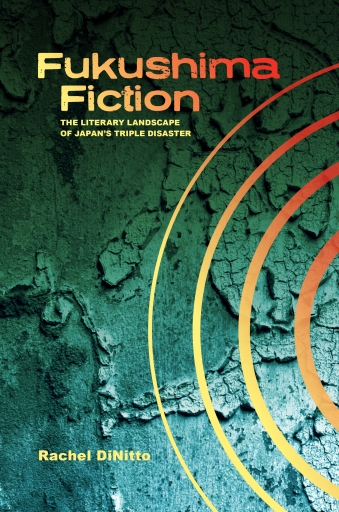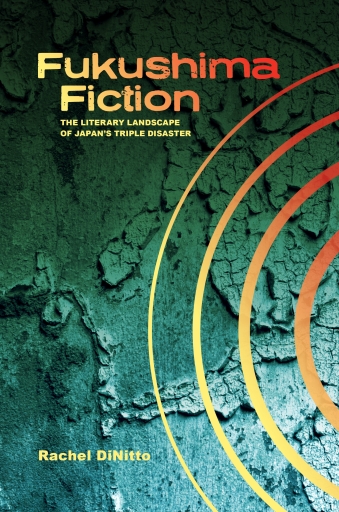
Fukushima Fiction
Por DiNitto, Rachel
Publicado por University of Hawaii Press
English
2019
ISBN 9780824879464
eBook
Buy at Catademic
🇺🇸
 Catademic
🇺🇸
Visitar loja →
Catademic
🇺🇸
Visitar loja →
 Bajalibros Latam
🇺🇸
Visitar loja →
Bajalibros Latam
🇺🇸
Visitar loja →
 Association of University Presses - Tienda FILUNI
🇺🇸
Visitar loja →
Association of University Presses - Tienda FILUNI
🇺🇸
Visitar loja →
 Ebooks Librería Antártica
🇨🇱
Visitar loja →
Ebooks Librería Antártica
🇨🇱
Visitar loja →
 Ebooks Agustin
🇪🇸
Visitar loja →
Ebooks Agustin
🇪🇸
Visitar loja →
 Bajalibros Argentina
🇦🇷
Visitar loja →
Bajalibros Argentina
🇦🇷
Visitar loja →
 Sanborns Ebooks
🇲🇽
Visitar loja →
Sanborns Ebooks
🇲🇽
Visitar loja →
 ebooks Libreria del GAM
🇨🇱
Visitar loja →
ebooks Libreria del GAM
🇨🇱
Visitar loja →
 Bookshop Uruguay
🇺🇾
Visitar loja →
Bookshop Uruguay
🇺🇾
Visitar loja →
 ebookskitapenas
🇬🇹
Visitar loja →
ebookskitapenas
🇬🇹
Visitar loja →
 Ebooks Yenny - El Ateneo
🇦🇷
Visitar loja →
Ebooks Yenny - El Ateneo
🇦🇷
Visitar loja →
 Crisol Ebooks
🇵🇪
Visitar loja →
Crisol Ebooks
🇵🇪
Visitar loja →
Disponível em 12 livrarias
Catademic
🇺🇸
Visitar loja →
Bajalibros Latam
🇺🇸
Visitar loja →
Association of University Presses - Tienda FILUNI
🇺🇸
Visitar loja →
Ebooks Librería Antártica
🇨🇱
Visitar loja →
Ebooks Agustin
🇪🇸
Visitar loja →
Bajalibros Argentina
🇦🇷
Visitar loja →
Sanborns Ebooks
🇲🇽
Visitar loja →
ebooks Libreria del GAM
🇨🇱
Visitar loja →
Bookshop Uruguay
🇺🇾
Visitar loja →
ebookskitapenas
🇬🇹
Visitar loja →
Ebooks Yenny - El Ateneo
🇦🇷
Visitar loja →
Crisol Ebooks
🇵🇪
Visitar loja →
Sobre este livro
<p><i>Fukushima Fiction</i> introduces readers to the powerful literary works that have emerged out of Japan’s triple disaster, now known as 3/11. The book provides a broad and nuanced picture of the varied literary responses to this ongoing tragedy, focusing on “serious fiction” <i>(junbungaku)</i>, the one area of Japanese cultural production that has consistently addressed the disaster and its aftermath. Examining short stories and novels by both new and established writers, author Rachel DiNitto effectively captures this literary tide and names it after the nuclear accident that turned a natural disaster into an environmental and political catastrophe.<br><br>The book takes a spatial approach to a new literary landscape, tracing Fukushima fiction thematically from depictions of the local experience of victims on the ground, through the regional and national conceptualizations of the disaster, to considerations of the disaster as history, and last to the global concerns common to nuclear incidents worldwide. Throughout, DiNitto shows how fiction writers played an important role in turning the disaster into a narrative of trauma that speaks to a broad readership within and outside Japan. Although the book examines fiction about all three of the disasters—earthquake, tsunami, and nuclear meltdowns—DiNitto contends that Fukushima fiction reaches its critical potential as a literature of nuclear resistance. She articulates the stakes involved, arguing that serious fiction provides the critical voice necessary to combat the government and nuclear industry’s attempts to move the disaster off the headlines as the 2020 Olympics approach and Japan restarts its idle nuclear power plants.<br><br>Rigorous and sophisticated yet highly readable and relevant for a broad audience, <i>Fukushima Fiction</i> is a critical intervention of humanities scholarship into the growing field of Fukushima studies. The work pushes readers to understand the disaster as a global crisis and to see the importance of literature as a critical medium in a media-saturated world. By engaging with other disasters—from 9/11 to Chernobyl to Hurricane Katrina—DiNitto brings Japan’s local and national tragedy to the attention of a global audience, evocatively conveying fiction’s power to imagine the unimaginable and the unforeseen.</p>
Categorias
- Idioma
- English
Compartilhar