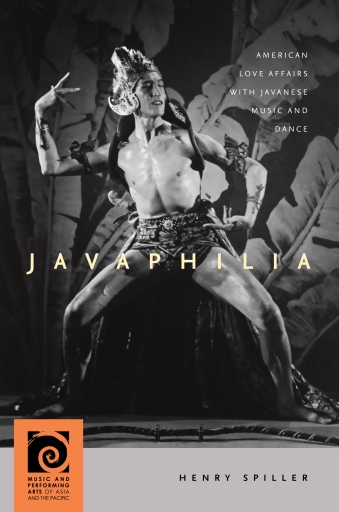
Javaphilia
Por Spiller, Henry
Publicado por University of Hawaii Press
English
282 páginas
2015
ISBN 9780824854942
PDF
Buy at Catademic
🇺🇸
Catademic
🇺🇸
Visitar loja →
UN
University of Hawaiʻi Press
🇺🇸
Visitar loja →
Bajalibros Latam
🇺🇸
Visitar loja →
Association of University Presses - Tienda FILUNI
🇺🇸
Visitar loja →

Ebooks Librería Antártica
🇨🇱
Visitar loja →
Ebooks Agustin
🇪🇸
Visitar loja →
Bajalibros Argentina
🇦🇷
Visitar loja →

Sanborns Ebooks
🇲🇽
Visitar loja →
ebooks Libreria del GAM
🇺🇾
Visitar loja →
Bookshop Uruguay
🇺🇾
Visitar loja →

ebookskitapenas
🇬🇹
Visitar loja →
Ebooks Yenny - El Ateneo
🇦🇷
Visitar loja →
Crisol Ebooks
🇨🇴
Visitar loja →
Disponível em 13 livrarias
Catademic
🇺🇸
Visitar loja →
UN
University of Hawaiʻi Press
🇺🇸
Visitar loja →
Association of University Presses - Tienda FILUNI
🇺🇸
Visitar loja →
Ebooks Librería Antártica
🇨🇱
Visitar loja →
Ebooks Agustin
🇪🇸
Visitar loja →
Sanborns Ebooks
🇲🇽
Visitar loja →
ebooks Libreria del GAM
🇺🇾
Visitar loja →
ebookskitapenas
🇬🇹
Visitar loja →
Ebooks Yenny - El Ateneo
🇦🇷
Visitar loja →
Crisol Ebooks
🇨🇴
Visitar loja →
Sobre este livro
<p>Fragrant tropical flowers, opulent batik fabrics, magnificent bronze <i>gamelan</i> orchestras, and, of course, aromatic coffee. Such are the exotic images of Java, Indonesia's most densely populated island, that have hovered at the periphery of North American imaginations for generations. Through close readings of the careers of four "javaphiles"—individuals who embraced Javanese performing arts in their own quests for a sense of belonging—<i>Javaphilia: American Love Affairs with Javanese Music and Dance</i> explores a century of American representations of Javanese performing arts by North Americans. While other Asian cultures made direct impressions on Americans by virtue of firsthand contacts through immigration, trade, and war, the distance between Java and America, and the vagueness of Americans' imagery, enabled a few disenfranchised musicians and dancers to fashion alternative identities through bold and idiosyncratic representations of Javanese music and dance.<br><br><i>Javaphilia</i>'s main subjects—Canadian-born singer Eva Gauthier (1885–1958), dancer/painter Hubert Stowitts (1892–1953), ethnomusicologist Mantle Hood (1918–2005), and composer Lou Harrison (1917–2003)—all felt marginalized by the mainstream of Western society: Gauthier by her lukewarm reception as an operatic mezzo-soprano in Europe, Stowitts by his homosexuality, Hood by conflicting interests in spirituality and scientific method, and Harrison by his predilection for prettiness in a musical milieu that valued more anxious expressions. All four parlayed their own direct experiences of Java into a defining essence for their own characters. By identifying aspects of Javanese music and dance that were compatible with their own tendencies, these individuals could literally perform unconventional—yet coherent—identities based in Javanese music and dance. Although they purported to represent Java to their fellow North Americans, they were in fact simply representing themselves.<br><br>In addition to probing the fascinating details of these javaphiles' lives, <i>Javaphilia</i> presents a novel analysis of North America's first significant encounters with Javanese performing arts at the 1893 World's Columbian Exposition in Chicago. An account of the First International Gamelan Festival, in Vancouver, BC (at Expo 86), almost a century later, bookends the epoch that is the focus of <i>Javaphilia</i> and sets the stage for a meditation on North Americans' ongoing relationships with the music and dance of Java.</p>
Categorias
- Idioma
- English
Compartilhar
Você também pode gostar
El Batavia
FitzSimons, Peter
Patanjali Yoga Sutras E Avadhuta Gita
Saraswati, Swami Hamsananda
Ghost in the Tamarind
Shankar, Subramanian
St. Thomas and India
Mathew, K. S., Chennattuserry, Joseph Chacko, Bungalowparambil, Antony
L'India di Gandhi
Londres, Albert
A viagem da cruz ao teto do mundo
Soalheiro, Bruna