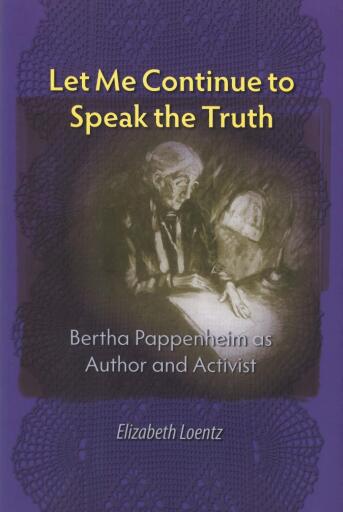
Let Me Continue to Speak the Truth
Publicado por Hebrew Union College Press
English
326 páginas
2007
ISBN 9780878201471
PDF
Buy at Catademic
🇺🇸
 Catademic
🇺🇸
Visitar loja →
Catademic
🇺🇸
Visitar loja →
 Bajalibros Latam
🇺🇸
Visitar loja →
Bajalibros Latam
🇺🇸
Visitar loja →
 LORANCHBOOKSTORE
🇺🇸
Visitar loja →
LORANCHBOOKSTORE
🇺🇸
Visitar loja →
 Ebooks Librería Carlos Fuentes
🇲🇽
Visitar loja →
Ebooks Librería Carlos Fuentes
🇲🇽
Visitar loja →
 ebooks libreria española
🇪🇨
Visitar loja →
ebooks libreria española
🇪🇨
Visitar loja →
 Bajalibros Argentina
🇦🇷
Visitar loja →
Bajalibros Argentina
🇦🇷
Visitar loja →
 Alpha Books
🇨🇴
Visitar loja →
Alpha Books
🇨🇴
Visitar loja →
 Sanborns Ebooks
🇲🇽
Visitar loja →
Sanborns Ebooks
🇲🇽
Visitar loja →
 ebooks Libreria del GAM
🇨🇱
Visitar loja →
ebooks Libreria del GAM
🇨🇱
Visitar loja →
 Bookshop Uruguay
🇺🇾
Visitar loja →
Bookshop Uruguay
🇺🇾
Visitar loja →
 Ebooks Yenny - El Ateneo
🇦🇷
Visitar loja →
Ebooks Yenny - El Ateneo
🇦🇷
Visitar loja →
 Crisol Ebooks
🇵🇪
Visitar loja →
Crisol Ebooks
🇵🇪
Visitar loja →
Disponível em 12 livrarias
Catademic
🇺🇸
Visitar loja →
Bajalibros Latam
🇺🇸
Visitar loja →
LORANCHBOOKSTORE
🇺🇸
Visitar loja →
Ebooks Librería Carlos Fuentes
🇲🇽
Visitar loja →
ebooks libreria española
🇪🇨
Visitar loja →
Bajalibros Argentina
🇦🇷
Visitar loja →
Alpha Books
🇨🇴
Visitar loja →
Sanborns Ebooks
🇲🇽
Visitar loja →
ebooks Libreria del GAM
🇨🇱
Visitar loja →
Bookshop Uruguay
🇺🇾
Visitar loja →
Ebooks Yenny - El Ateneo
🇦🇷
Visitar loja →
Crisol Ebooks
🇵🇪
Visitar loja →
Sobre este livro
In 1953, Freud biographer Ernest Jones revealed that the famous hysteric Anna O. was really Bertha Pappenheim (1859-1936), the prolific author, German-Jewish feminist, pioneering social worker, and activist. Elizabeth Loentz directs attention away from the young woman who arguably invented the talking cure and back to Pappenheim and her post-Anna O. achievements. Her writings, especially, reveal her to be one of the most versatile, productive, influential, and controversial Jewish thinkers and leaders of her time. Pappenheim's oeuvre includes stories, plays, poems, prayers, travel literature, letters, essays, speeches, and aphorisms. She translated Mary Wollstonecraft's Vindication of the Rights of Women as well as the Memoirs of Gluckel of Hamelnand other Old Yiddish texts into German. She was discussed as both writer and newsmaker in German-Jewish newspapers of every religious and political affiliation and in German feminist publications. As founder and leader of the League of Jewish Women in Germany and the international League of Jewish Women, she was at the forefront of the campaign to combat human trafficking and forced prostitution. A pioneer of modern Jewish social work, she founded a home for at-risk girls and unwed mothers and advocated on behalf of Jewish women, children, refugees, and immigrants. Her accomplishments are all the more remarkable because she attained them after struggling to recover from the debilitating mental illness chronicled in Freud and Breuer's Studies on Hysteria(1895). Loentz examines how Pappenheim engaged, in words and deeds, with the key political, social, and cultural issues concerning German Jewry in the early decades of the twentieth century: the status of the Yiddish language, Zionism, the conversion epidemic, responses to the plight of Eastern European Jews, and Jewish spirituality. Pappenheim's unique approach to each of these issues balanced allegiances to feminism, the Jewish religion, and German culture. Loentz also explores how biographers and artists have rediscovered Pappenheim, rewritten her life story, and renegotiated her identity.
Categorias
- Idioma
- English
Compartilhar