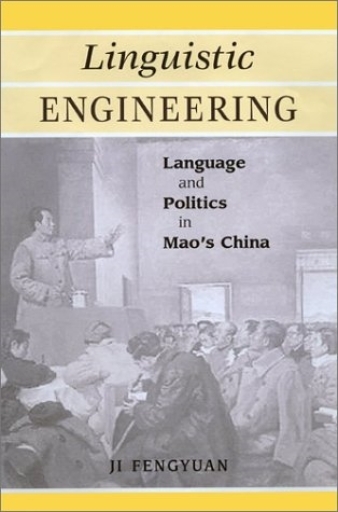
Linguistic Engineering
Por Fengyuan, Ji
Publicado por University of Hawaii Press
English
360 páginas
2003
ISBN 9780824844684
PDF
Buy at Bajalibros Latam
🇺🇸
Catademic
🇺🇸
Visitar loja →
UN
University of Hawaiʻi Press
🇺🇸
Visitar loja →
Bajalibros Latam
🇺🇸
Visitar loja →
Association of University Presses - Tienda FILUNI
🇺🇸
Visitar loja →

Ebooks Librería Antártica
🇨🇱
Visitar loja →
Ebooks Agustin
🇪🇸
Visitar loja →
Bajalibros Argentina
🇦🇷
Visitar loja →

Sanborns Ebooks
🇲🇽
Visitar loja →
ebooks Libreria del GAM
🇺🇾
Visitar loja →
Bookshop Uruguay
🇺🇾
Visitar loja →

ebookskitapenas
🇬🇹
Visitar loja →
Ebooks Yenny - El Ateneo
🇦🇷
Visitar loja →
Crisol Ebooks
🇨🇴
Visitar loja →
Disponível em 13 livrarias
Catademic
🇺🇸
Visitar loja →
UN
University of Hawaiʻi Press
🇺🇸
Visitar loja →
Association of University Presses - Tienda FILUNI
🇺🇸
Visitar loja →
Ebooks Librería Antártica
🇨🇱
Visitar loja →
Ebooks Agustin
🇪🇸
Visitar loja →
Sanborns Ebooks
🇲🇽
Visitar loja →
ebooks Libreria del GAM
🇺🇾
Visitar loja →
ebookskitapenas
🇬🇹
Visitar loja →
Ebooks Yenny - El Ateneo
🇦🇷
Visitar loja →
Crisol Ebooks
🇨🇴
Visitar loja →
Sobre este livro
<p>When Mao and the Chinese Communist Party won power in 1949, they were determined to create new, revolutionary human beings. Their most precise instrument of ideological transformation was a massive program of linguistic engineering. They taught everyone a new political vocabulary, gave old words new meanings, converted traditional terms to revolutionary purposes, suppressed words that expressed "incorrect" thought, and required the whole population to recite slogans, stock phrases, and scripts that gave "correct" linguistic form to "correct" thought. They assumed that constant repetition would cause the revolutionary formulae to penetrate people's minds, engendering revolutionary beliefs and values. <br><br>In an introductory chapter, Dr. Ji assesses the potential of linguistic engineering by examining research on the relationship between language and thought. In subsequent chapters, she traces the origins of linguistic engineering in China, describes its development during the early years of communist rule, then explores in detail the unprecedented manipulation of language during the Cultural Revolution of 1966–1976. Along the way, she analyzes the forms of linguistic engineering associated with land reform, class struggle, personal relationships, the Great Leap Forward, Mao-worship, Red Guard activism, revolutionary violence, Public Criticism Meetings, the model revolutionary operas, and foreign language teaching. She also reinterprets Mao’s strategy during the early stages of the Cultural Revolution, showing how he manipulated exegetical principles and contexts of judgment to "frame" his alleged opponents. The work concludes with an assessment of the successes and failures of linguistic engineering and an account of how the Chinese Communist Party relaxed its control of language after Mao's death.</p>
- Idioma
- English
Compartilhar
Você também pode gostar
Signo De Passarinho
Porto, Lino
Grãos Em Vão
Porto, Lino
50 Tipos De Poesia
Porto, Lino
Recueil des expressions vicieuses et des anglicismes les plus fréquents
Gingras, Jules Fabien
ABC Etymological Dictionary of Old Chinese
Schuessler, Axel
Semántica
Espinal, M. Teresa, Macià, Josep, Mateu, Jaume, Quer, Josep