
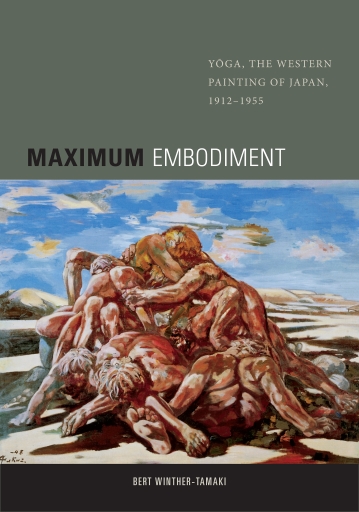
Maximum Embodiment
Publicado por University of Hawaii Press
English
252 páginas
2012
ISBN 9780824861131
PDF
Buy at Bajalibros Latam
🇺🇸
 Catademic
🇺🇸
Visitar loja →
Catademic
🇺🇸
Visitar loja →
 Bajalibros Latam
🇺🇸
Visitar loja →
Bajalibros Latam
🇺🇸
Visitar loja →
 Association of University Presses - Tienda FILUNI
🇺🇸
Visitar loja →
Association of University Presses - Tienda FILUNI
🇺🇸
Visitar loja →
 Ebooks Librería Antártica
🇨🇱
Visitar loja →
Ebooks Librería Antártica
🇨🇱
Visitar loja →
 Ebooks Agustin
🇪🇸
Visitar loja →
Ebooks Agustin
🇪🇸
Visitar loja →
 Bajalibros Argentina
🇦🇷
Visitar loja →
Bajalibros Argentina
🇦🇷
Visitar loja →
 Sanborns Ebooks
🇲🇽
Visitar loja →
Sanborns Ebooks
🇲🇽
Visitar loja →
 ebooks Libreria del GAM
🇨🇱
Visitar loja →
ebooks Libreria del GAM
🇨🇱
Visitar loja →
 Bookshop Uruguay
🇺🇾
Visitar loja →
Bookshop Uruguay
🇺🇾
Visitar loja →
 ebookskitapenas
🇬🇹
Visitar loja →
ebookskitapenas
🇬🇹
Visitar loja →
 Ebooks Yenny - El Ateneo
🇦🇷
Visitar loja →
Ebooks Yenny - El Ateneo
🇦🇷
Visitar loja →
 Crisol Ebooks
🇵🇪
Visitar loja →
Crisol Ebooks
🇵🇪
Visitar loja →
Disponível em 12 livrarias
Catademic
🇺🇸
Visitar loja →
Bajalibros Latam
🇺🇸
Visitar loja →
Association of University Presses - Tienda FILUNI
🇺🇸
Visitar loja →
Ebooks Librería Antártica
🇨🇱
Visitar loja →
Ebooks Agustin
🇪🇸
Visitar loja →
Bajalibros Argentina
🇦🇷
Visitar loja →
Sanborns Ebooks
🇲🇽
Visitar loja →
ebooks Libreria del GAM
🇨🇱
Visitar loja →
Bookshop Uruguay
🇺🇾
Visitar loja →
ebookskitapenas
🇬🇹
Visitar loja →
Ebooks Yenny - El Ateneo
🇦🇷
Visitar loja →
Crisol Ebooks
🇵🇪
Visitar loja →
Sobre este livro
<p><i>Maximum Embodiment</i> presents a compelling thesis articulating the historical character of Yoga, literally the “Western painting” of Japan. The term designates what was arguably the most important movement in modern Japanese art from the late nineteenth to the mid-twentieth centuries. Perhaps the most critical marker of Yoga was its association with the medium of oil-on-canvas, which differed greatly from the water-based pigments and inks of earlier Japanese painting. Yoga encompassed both establishment fine art and avant-gardist insurgencies, but in both cases, as the term suggests, it was typically focused on techniques, motifs, canons, or iconographies that were obtained in Europe and deployed by Japanese artists.<br><br>Despite recent advances in Yoga studies, important questions remain unanswered: What specific visuality did the protagonists of Yoga seek from Europe and contribute to modern Japanese society? What qualities of representation were so dearly coveted as to stimulate dedication to the pursuit of Yoga? What distinguished Yoga in Japanese visual culture? This study answers these questions by defining a paradigm of embodied representation unique to Yoga painting that may be conceptualized in four registers: first, the distinctive materiality of oil paint pigments on the picture surface; second, the depiction of palpable human bodies; third, the identification of the act and product of painting with a somatic expression of the artist’s physical being; and finally, rhetorical metaphors of political and social incorporation. The so-called Western painters of Japan were driven to strengthen subjectivity by maximizing a Japanese sense of embodiment through the technical, aesthetic, and political means suggested by these interactive registers of embodiment.<br><br>Balancing critique and sympathy for the twelve Yoga painters who are its principal protagonists, <i>Maximum Embodiment</i> investigates the quest for embodiment in some of the most compelling images of modern Japanese art. The valiant struggles of artists to garner strongly embodied positions of subjectivity in the 1910s and 1930s gave way to despairing attempts at fathoming and mediating the horrifying experiences of real life during and after the war in the 1940s and 1950s. The very properties of Yoga that had been so conducive to expressing forceful embodiment now produced often gruesome imagery of the destruction of bodies. Combining acute visual analysis within a convincing conceptual framework, this volume provides an original account of how the drive toward maximum embodiment in early twentieth-century Yoga was derailed by an impulse toward maximum disembodiment.</p>
Categorias
- Idioma
- English
Compartilhar
Você também pode gostar

Bauhaus
Siebenbrodt, Michael, Schöbe, Lutz
Amadeo de Souza-Cardoso (1887-1918)
Calosse, Jp. A.
La Tradition Pop Art - Une reponse a la Culture de Masse
Shanes, Eric

Diaz de La Peña... : huit reproductions fac-simile en couleurs
Roujon, Henry

Peintures décoratives de Paul Baudry au grand foyer de l'Opéra : étude critique
Bergerat, Émile

Sciopticon: Einführung in die Projections-Kunst
Liesegang, Franz Paul