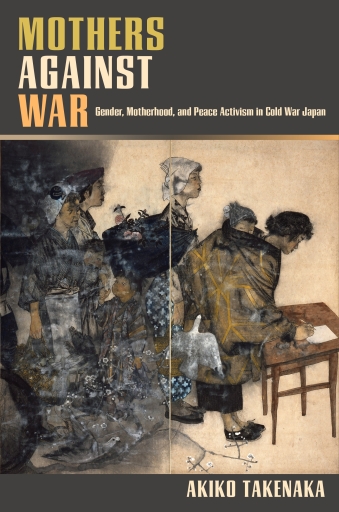
Mothers Against War
Por Takenaka, Akiko
Publicado por University of Hawaii Press
English
2025
ISBN 9798880700509
eBook
Buy at University of Hawaiʻi Press
🇺🇸
Catademic
🇺🇸
Visitar loja →
UN
University of Hawaiʻi Press
🇺🇸
Visitar loja →
ebookstaolistic
🇺🇸
Visitar loja →
Bajalibros Latam
🇺🇸
Visitar loja →
Association of University Presses - Tienda FILUNI
🇺🇸
Visitar loja →
Ebooks Librería Antártica
🇨🇱
Visitar loja →
Ebooks Agustin
🇪🇸
Visitar loja →
Bajalibros Argentina
🇦🇷
Visitar loja →

Sanborns Ebooks
🇲🇽
Visitar loja →
ebooks Libreria del GAM
🇺🇾
Visitar loja →
Bookshop Uruguay
🇺🇾
Visitar loja →

ebookskitapenas
🇬🇹
Visitar loja →
Ebooks Yenny - El Ateneo
🇦🇷
Visitar loja →
Crisol Ebooks
🇨🇴
Visitar loja →
Disponível em 14 livrarias
Catademic
🇺🇸
Visitar loja →
UN
University of Hawaiʻi Press
🇺🇸
Visitar loja →
ebookstaolistic
🇺🇸
Visitar loja →
Association of University Presses - Tienda FILUNI
🇺🇸
Visitar loja →
Ebooks Librería Antártica
🇨🇱
Visitar loja →
Ebooks Agustin
🇪🇸
Visitar loja →
Sanborns Ebooks
🇲🇽
Visitar loja →
ebooks Libreria del GAM
🇺🇾
Visitar loja →
ebookskitapenas
🇬🇹
Visitar loja →
Ebooks Yenny - El Ateneo
🇦🇷
Visitar loja →
Crisol Ebooks
🇨🇴
Visitar loja →
Sobre este livro
<i>Mothers Against War</i> examines the shifting relationships among motherhood, peace activism, and women’s rights in the decades following Japan’s defeat in 1945. With a focus on the concept of <i>bosei</i>, generally understood to be the “motherly” qualities that are supposedly inherent to women, the book illuminates how popular perceptions of the mother, the child, and the mother-child relationship gradually evolved to create the image that mothers, more than anyone else, protect children from war. This image did not result simply from a mothers’ desire to keep their children safe, nor was it the outcome of the Japanese experience of the Asia-Pacific War in which many mothers became widowed or lost their children. Through the examination of five instances of peace activism that took place between 1945 and 1980, Akiko Takenaka argues that the maternal focus of Japanese women’s peace activism emerged from a convergence of various interests, including the security alliance between Japan and the United States, Japan’s Cold War–era political strategies, and Japanese women’s fight for increased rights. <i>Mothers Against War</i> demonstrates how Japanese women’s attempts to activate the concept of <i>bosei</i> to gain more rights also worked to confine them into domesticity. This is the first scholarly monograph to make this connection between Japan’s matricentric peace activism and the fight for women’s rights.
Categorias
- Idioma
- English
Compartilhar