
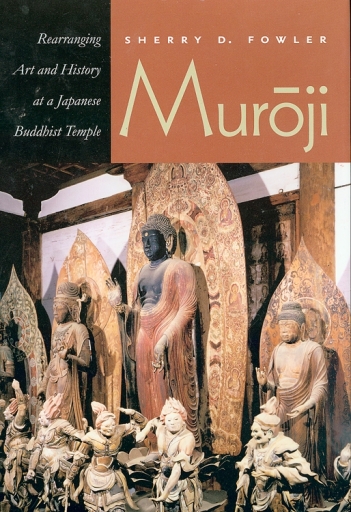
Muroji
Publicado por University of Hawaii Press
English
312 páginas
2005
ISBN 9780824874582
PDF
Buy at Association of University Presses - Tienda FILUNI
🇺🇸
 Catademic
🇺🇸
Visitar loja →
Catademic
🇺🇸
Visitar loja →
 Bajalibros Latam
🇺🇸
Visitar loja →
Bajalibros Latam
🇺🇸
Visitar loja →
 Association of University Presses - Tienda FILUNI
🇺🇸
Visitar loja →
Association of University Presses - Tienda FILUNI
🇺🇸
Visitar loja →
 Ebooks Librería Antártica
🇨🇱
Visitar loja →
Ebooks Librería Antártica
🇨🇱
Visitar loja →
 Ebooks Agustin
🇪🇸
Visitar loja →
Ebooks Agustin
🇪🇸
Visitar loja →
 Bajalibros Argentina
🇦🇷
Visitar loja →
Bajalibros Argentina
🇦🇷
Visitar loja →
 Sanborns Ebooks
🇲🇽
Visitar loja →
Sanborns Ebooks
🇲🇽
Visitar loja →
 ebooks Libreria del GAM
🇨🇱
Visitar loja →
ebooks Libreria del GAM
🇨🇱
Visitar loja →
 Bookshop Uruguay
🇺🇾
Visitar loja →
Bookshop Uruguay
🇺🇾
Visitar loja →
 ebookskitapenas
🇬🇹
Visitar loja →
ebookskitapenas
🇬🇹
Visitar loja →
 Ebooks Yenny - El Ateneo
🇦🇷
Visitar loja →
Ebooks Yenny - El Ateneo
🇦🇷
Visitar loja →
 Crisol Ebooks
🇵🇪
Visitar loja →
Crisol Ebooks
🇵🇪
Visitar loja →
Disponível em 12 livrarias
Catademic
🇺🇸
Visitar loja →
Bajalibros Latam
🇺🇸
Visitar loja →
Association of University Presses - Tienda FILUNI
🇺🇸
Visitar loja →
Ebooks Librería Antártica
🇨🇱
Visitar loja →
Ebooks Agustin
🇪🇸
Visitar loja →
Bajalibros Argentina
🇦🇷
Visitar loja →
Sanborns Ebooks
🇲🇽
Visitar loja →
ebooks Libreria del GAM
🇨🇱
Visitar loja →
Bookshop Uruguay
🇺🇾
Visitar loja →
ebookskitapenas
🇬🇹
Visitar loja →
Ebooks Yenny - El Ateneo
🇦🇷
Visitar loja →
Crisol Ebooks
🇵🇪
Visitar loja →
Sobre este livro
Murōji, a magnificent temple founded in the eighth century, is known both for its dramatic location and the exceptional quality of its ritual objects and art dating from the ninth and tenth centuries of the Heian period. Sherry Fowler makes extensive use of primary sources to explore the circumstances surrounding the creation and function of the temple’s main images and considers why major works of early Heian sculpture were housed in such a remote mountain setting. Employing a multifaceted approach that looks at Murōji’s art and architecture in socio-political context, she explores the establishment of the temple, its role in the religious life and power structure of the region, and the ways in which the temple reconfigured its early history to suit its later circumstances. Emerging from Fowler’s study are pervasive themes relating to worship and practice at Murōji that highlight plurality of practice (of different schools of Buddhism as well as Shinto); flexibility of practice and its impact on sculptural icons; the relationship of Murōji to other temple/shrine complexes; and the association of the temple with women’s worship.
Categorias
- Idioma
- English
Compartilhar
Você também pode gostar

The Art of Censorship in Postwar Japan
Fischer, Kirsten Cather
Les Trésors perdus de l'art persan
Lukonin, Vladimir, Ivanov, Anatoly
Parting the Mists
Wong, Aida Yuen
The Spirit of Japanese Art
Noguchi, Yoné

Die Kunst Sibiriens
Gorbatcheva, Valentina, Federova, Marina
Katsushika Hokusai et œuvres d'art
Holmes, C.J.