Painters in Hanoi
Publicado por University of Hawaii Press
English
194 páginas
2009
ISBN 9780824845100
PDF
Buy at Association of University Presses - Tienda FILUNI
🇺🇸
 Catademic
🇺🇸
Visitar loja →
Catademic
🇺🇸
Visitar loja →
 Bajalibros Latam
🇺🇸
Visitar loja →
Bajalibros Latam
🇺🇸
Visitar loja →
 Association of University Presses - Tienda FILUNI
🇺🇸
Visitar loja →
Association of University Presses - Tienda FILUNI
🇺🇸
Visitar loja →
 Ebooks Librería Antártica
🇨🇱
Visitar loja →
Ebooks Librería Antártica
🇨🇱
Visitar loja →
 Ebooks Agustin
🇪🇸
Visitar loja →
Ebooks Agustin
🇪🇸
Visitar loja →
 Bajalibros Argentina
🇦🇷
Visitar loja →
Bajalibros Argentina
🇦🇷
Visitar loja →
 Sanborns Ebooks
🇲🇽
Visitar loja →
Sanborns Ebooks
🇲🇽
Visitar loja →
 ebooks Libreria del GAM
🇨🇱
Visitar loja →
ebooks Libreria del GAM
🇨🇱
Visitar loja →
 Bookshop Uruguay
🇺🇾
Visitar loja →
Bookshop Uruguay
🇺🇾
Visitar loja →
 ebookskitapenas
🇬🇹
Visitar loja →
ebookskitapenas
🇬🇹
Visitar loja →
 Ebooks Yenny - El Ateneo
🇦🇷
Visitar loja →
Ebooks Yenny - El Ateneo
🇦🇷
Visitar loja →
 Crisol Ebooks
🇵🇪
Visitar loja →
Crisol Ebooks
🇵🇪
Visitar loja →
Disponível em 12 livrarias
Catademic
🇺🇸
Visitar loja →
Bajalibros Latam
🇺🇸
Visitar loja →
Association of University Presses - Tienda FILUNI
🇺🇸
Visitar loja →
Ebooks Librería Antártica
🇨🇱
Visitar loja →
Ebooks Agustin
🇪🇸
Visitar loja →
Bajalibros Argentina
🇦🇷
Visitar loja →
Sanborns Ebooks
🇲🇽
Visitar loja →
ebooks Libreria del GAM
🇨🇱
Visitar loja →
Bookshop Uruguay
🇺🇾
Visitar loja →
ebookskitapenas
🇬🇹
Visitar loja →
Ebooks Yenny - El Ateneo
🇦🇷
Visitar loja →
Crisol Ebooks
🇵🇪
Visitar loja →
Sobre este livro
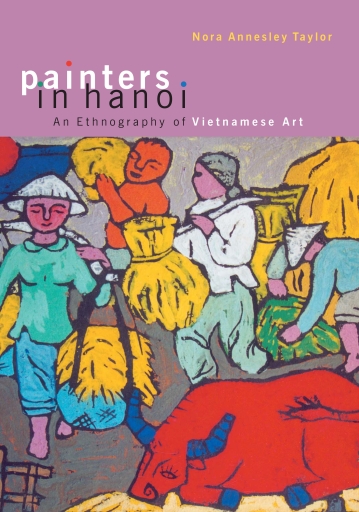
<p>Painting has played a significant role in modern Vietnam. Postage stamps, billboards, and annual national exhibitions attest to its fundamental place in a country where painters may be hailed as national heroes and include among their number fervent nationalists, propagandists, even dissidents. As Vietnamese painting has gained prominence in the contemporary transnational art circuits of Southeast Asia, many artists have become millionaires, yet Vietnamese painting is generally overlooked in art history surveys of the region. Nora Taylor sets out here to change that. <i>Painters in Hanoi</i> engages with twentieth-century Vietnam through its artists and their works, providing a new angle on a country most often portrayed through the lens of war and politics. <br><br>Drawing on interviews with artists, cultural officers, curators, art critics, and others in Hanoi, Taylor surveys the impact artists have had on intellectual life in Vietnam. The book shows them within their own complex community, one fraught with tensions, politicking, and favoritism, yet also a sense of belonging. It describes their education, the role of the government in the arts, the rise and fall of individual artists, their influence as active players in the politics of place and gender, the audience for their work, and how tourism and the international art market have influenced it.</p>
Categorias
- Idioma
- English
Compartilhar