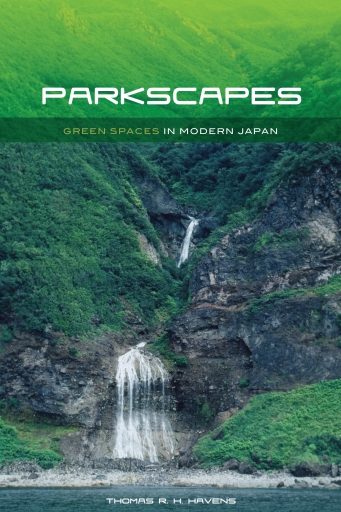
Parkscapes
Publicado por University of Hawaii Press
English
289 páginas
2010
ISBN 9780824860592
PDF
Buy at Bajalibros Latam
🇺🇸
Catademic
🇺🇸
Visitar loja →
Bajalibros Latam
🇺🇸
Visitar loja →
Association of University Presses - Tienda FILUNI
🇺🇸
Visitar loja →

Ebooks Librería Antártica
🇨🇱
Visitar loja →
Ebooks Agustin
🇪🇸
Visitar loja →
Bajalibros Argentina
🇦🇷
Visitar loja →

Sanborns Ebooks
🇲🇽
Visitar loja →
ebooks Libreria del GAM
🇨🇱
Visitar loja →
Bookshop Uruguay
🇺🇾
Visitar loja →

ebookskitapenas
🇬🇹
Visitar loja →
Ebooks Yenny - El Ateneo
🇦🇷
Visitar loja →
Crisol Ebooks
🇵🇪
Visitar loja →
Disponível em 12 livrarias
Catademic
🇺🇸
Visitar loja →
Association of University Presses - Tienda FILUNI
🇺🇸
Visitar loja →
Ebooks Librería Antártica
🇨🇱
Visitar loja →
Ebooks Agustin
🇪🇸
Visitar loja →
Sanborns Ebooks
🇲🇽
Visitar loja →
ebooks Libreria del GAM
🇨🇱
Visitar loja →
ebookskitapenas
🇬🇹
Visitar loja →
Ebooks Yenny - El Ateneo
🇦🇷
Visitar loja →
Crisol Ebooks
🇵🇪
Visitar loja →
Sobre este livro
<p>Japan today protects one-seventh of its land surface in parks, which are visited by well over a billion people each year. <i>Parkscapes</i> analyzes the origins, development, and distinctive features of these public spaces. Green zones were created by the government beginning in the late nineteenth century for state purposes but eventually evolved into sites of negotiation between bureaucrats and ordinary citizens who use them for demonstrations, riots, and shelters, as well as recreation.<br><br>Thomas Havens shows how revolutionary officials in the 1870s seized private properties and converted them into public parks for educating and managing citizens in the new emperor-sanctioned state. Rebuilding Tokyo and Yokohama after the earthquake and fires of 1923 spurred the spread of urban parklands both in the capital and other cities. According to Havens, the growth of suburbs, the national mobilization of World War II, and the post-1945 American occupation helped speed the creation of more urban parks, setting the stage for vast increases in public green spaces during Japan’s golden age of affluence from the 1960s through the 1980s. Since the 1990s the Japanese public has embraced a heightened ecological consciousness and become deeply involved in the design and management of both city and natural parks—realms once monopolized by government bureaucrats. As in other prosperous countries, public-private partnerships have increasingly become the norm in operating parks for public benefit, yet the heavy hand of officialdom is still felt throughout Japan’s open lands.<br><br>Based on extensive research in government documents, travel records, and accounts by frequent park visitors, <i>Parkscapes</i> is the first book in any language to examine the history of both urban and national parks of Japan. As an account of how Japan’s experience of spatial modernity challenges current thinking about protection and use of the nonhuman environment globally, the book will appeal widely to readers of spatial and environmental history as well as those interested in modern Japan and its many inviting green spaces.</p>
- Idioma
- English
Compartilhar
Você também pode gostar
Like No Other
McNally, Mark T.
Kabuki Plays on Stage. Volume 2
Gestión de reservas de habitaciones y otros servicios de alojamientos. HOTA0308
Fernández Sotoca, María
Elaboraciones básicas y platos elementales con carnes, aves y caza. HOTR0408
Guerrero Aguilera, Manuel, Jiménez Romero, María Nieves, Pino Martín, Marta
Biodesign for High Schools
Giovanna Danies Turano • María Paula Barón Aristizábal- Andrea Peralta Mejía • Andrea Forero Cañizares • Jenny Grillo Naranjo.
Desenvolvimento e Sustentabilidade
Santos, Erivan José dos, Filho, Moacyr Cunha