Passing, Posing, Persuasion
Publicado por University of Hawaii Press
English
2023
ISBN 9780824896287
eBook
Buy at Catademic
🇺🇸
 Catademic
🇺🇸
Visitar loja →
Catademic
🇺🇸
Visitar loja →
 Bajalibros Latam
🇺🇸
Visitar loja →
Bajalibros Latam
🇺🇸
Visitar loja →
 Association of University Presses - Tienda FILUNI
🇺🇸
Visitar loja →
Association of University Presses - Tienda FILUNI
🇺🇸
Visitar loja →
 Ebooks Librería Antártica
🇨🇱
Visitar loja →
Ebooks Librería Antártica
🇨🇱
Visitar loja →
 Ebooks Agustin
🇪🇸
Visitar loja →
Ebooks Agustin
🇪🇸
Visitar loja →
 Bajalibros Argentina
🇦🇷
Visitar loja →
Bajalibros Argentina
🇦🇷
Visitar loja →
 Sanborns Ebooks
🇲🇽
Visitar loja →
Sanborns Ebooks
🇲🇽
Visitar loja →
 ebooks Libreria del GAM
🇨🇱
Visitar loja →
ebooks Libreria del GAM
🇨🇱
Visitar loja →
 Bookshop Uruguay
🇺🇾
Visitar loja →
Bookshop Uruguay
🇺🇾
Visitar loja →
 ebookskitapenas
🇬🇹
Visitar loja →
ebookskitapenas
🇬🇹
Visitar loja →
 Ebooks Yenny - El Ateneo
🇦🇷
Visitar loja →
Ebooks Yenny - El Ateneo
🇦🇷
Visitar loja →
 Crisol Ebooks
🇵🇪
Visitar loja →
Crisol Ebooks
🇵🇪
Visitar loja →
Disponível em 12 livrarias
Catademic
🇺🇸
Visitar loja →
Bajalibros Latam
🇺🇸
Visitar loja →
Association of University Presses - Tienda FILUNI
🇺🇸
Visitar loja →
Ebooks Librería Antártica
🇨🇱
Visitar loja →
Ebooks Agustin
🇪🇸
Visitar loja →
Bajalibros Argentina
🇦🇷
Visitar loja →
Sanborns Ebooks
🇲🇽
Visitar loja →
ebooks Libreria del GAM
🇨🇱
Visitar loja →
Bookshop Uruguay
🇺🇾
Visitar loja →
ebookskitapenas
🇬🇹
Visitar loja →
Ebooks Yenny - El Ateneo
🇦🇷
Visitar loja →
Crisol Ebooks
🇵🇪
Visitar loja →
Sobre este livro
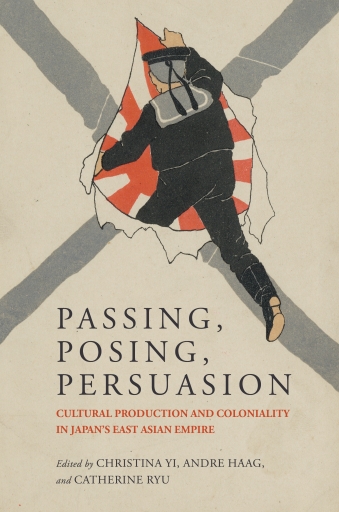
<p><i>Passing, Posing, Persuasion</i> interrogates the intersections between cultural production, identity, and persuasive messaging that idealized inclusion and unity across Japan’s East Asian empire (1895–1945). Japanese propagandists drew on a pan-Asian rhetoric that sought to persuade colonial subjects to identify with the empire while simultaneously maintaining the distinctions that subjugated them and marking their attempts to self-identify as Japanese as inauthentic, illegitimate forms of “passing” or “posing.” Visions of inclusion encouraged assimilation but also threatened to disrupt the very logic of imperialism itself: If there was no immutable difference between Taiwanese and Japanese subjects, for example, then what justified the subordination of the former to the latter? The chapters emphasize the plurality and heterogeneity of empire, together with the contradictions and tensions of its ideologies of race, nation, and ethnicity. <br><br>The paradoxes of passing, posing, and persuasion opened up unique opportunities for colonial contestation and negotiation in the arenas of cultural production, including theater, fiction, film, magazines, and other media of entertainment and propaganda consumed by audiences in mainland Japan and its colonies. From Meiji adaptations of Shakespeare and interwar mass media and colonial fiction to wartime propaganda films, competing narratives sought to shape how ambiguous identities were performed and read. All empires necessarily engender multiple kinds of border crossings and transgressions; in the case of Japan, the policing and blurring of boundaries often pivoted on the outer markers of ethno-national identification. This book showcases how actors—in multiple senses of the word—from all parts of the empire were able to move in and out of different performative identities, thus troubling its ontological boundaries.</p>
- Idioma
- English
Compartilhar