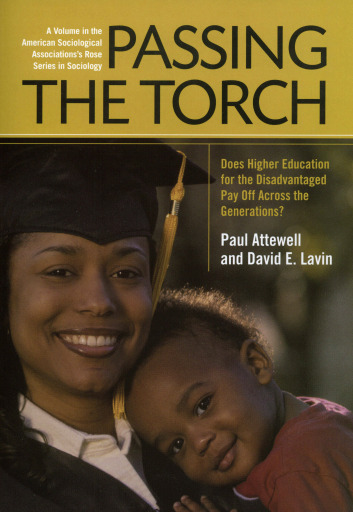
Passing the Torch
Por Domina, Thurston, Attewell, Paul, Lavin, David, Levey, Tania
Publicado por Russell Sage Foundation
English
2007
ISBN 9781610440196
eBook
Buy at Bajalibros Latam
🇺🇸
Catademic
🇺🇸
Visitar loja →
Bajalibros Latam
🇺🇸
Visitar loja →
Association of University Presses - Tienda FILUNI
🇺🇸
Visitar loja →

Ebooks Librería Antártica
🇨🇱
Visitar loja →
Ebooks Agustin
🇪🇸
Visitar loja →
Bajalibros Argentina
🇦🇷
Visitar loja →

Sanborns Ebooks
🇲🇽
Visitar loja →
ebooks Libreria del GAM
🇨🇱
Visitar loja →
Bookshop Uruguay
🇺🇾
Visitar loja →

ebookskitapenas
🇬🇹
Visitar loja →
Ebooks Yenny - El Ateneo
🇦🇷
Visitar loja →
Crisol Ebooks
🇵🇪
Visitar loja →
Disponível em 12 livrarias
Catademic
🇺🇸
Visitar loja →
Association of University Presses - Tienda FILUNI
🇺🇸
Visitar loja →
Ebooks Librería Antártica
🇨🇱
Visitar loja →
Ebooks Agustin
🇪🇸
Visitar loja →
Sanborns Ebooks
🇲🇽
Visitar loja →
ebooks Libreria del GAM
🇨🇱
Visitar loja →
ebookskitapenas
🇬🇹
Visitar loja →
Ebooks Yenny - El Ateneo
🇦🇷
Visitar loja →
Crisol Ebooks
🇵🇪
Visitar loja →
Sobre este livro
<div> <p>The steady expansion of college enrollment rates over the last generation has been heralded as a major step toward reducing chronic economic disparities. But many of the policies that broadened access to higher education—including affirmative action, open admissions, and need-based financial aid—have come under attack in recent years by critics alleging that schools are admitting unqualified students who are unlikely to benefit from a college education. In <i>Passing the Torch</i>, Paul Attewell, David Lavin, Thurston Domina, and Tania Levey follow students admitted under the City University of New York’s “open admissions” policy, tracking its effects on them and their children, to find out whether widening college access can accelerate social mobility across generations.</p> <p>Unlike previous research into the benefits of higher education, <i>Passing the Torch</i> follows the educational achievements of three generations over thirty years. The book focuses on a cohort of women who entered CUNY between 1970 and 1972, when the university began accepting all graduates of New York City high schools and increasing its representation of poor and minority students. The authors survey these women in order to identify how the opportunity to pursue higher education affected not only their long-term educational attainments and family well-being, but also how it affected their children’s educational achievements. Comparing the record of the CUNY alumnae to peers nationwide, the authors find that when women from underprivileged backgrounds go to college, their children are more likely to succeed in school and earn college degrees themselves. Mothers with a college degree are more likely to expect their children to go to college, to have extensive discussions with their children, and to be involved in their children’s schools. All of these parenting behaviors appear to foster higher test scores and college enrollment rates among their children. In addition, college-educated women are more likely to raise their children in stable two-parent households and to earn higher incomes; both factors have been demonstrated to increase children’s educational success.</p> <p>The evidence marshaled in this important book reaffirms the American ideal of upward mobility through education. As the first study to indicate that increasing access to college among today’s disadvantaged students can reduce educational gaps in the next generation, <i>Passing the Torch</i> makes a powerful argument in favor of college for all.</p> </div>
Categorias
- Idioma
- English
Compartilhar
Você também pode gostar
Informática Aplicada a la Educación 2 BGU
Gestor Público
Garay, Ricardo
The Higher Learning in America
Veblen, Thorstein
BWL verstehen leicht gemacht: Betriebswirtschaft für Nicht-BWLer
Eberhardt, Christoph
Economía
Francisco Eggers
Estágio Supervisionado nos Anos Iniciais do Ensino Fundamental
de Araújo, Rute Pereira Alves