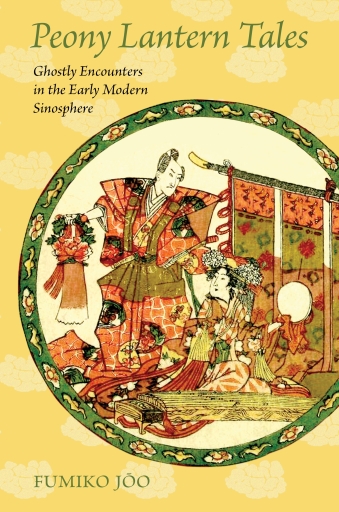
Peony Lantern Tales
Por Joo, Fumiko
Publicado por University of Hawaii Press
English
2025
ISBN 9798880700448
eBook
Buy at Association of University Presses - Tienda FILUNI
🇺🇸
 Catademic
🇺🇸
Visitar loja →
Catademic
🇺🇸
Visitar loja →
 Bajalibros Latam
🇺🇸
Visitar loja →
Bajalibros Latam
🇺🇸
Visitar loja →
 Association of University Presses - Tienda FILUNI
🇺🇸
Visitar loja →
Association of University Presses - Tienda FILUNI
🇺🇸
Visitar loja →
 Ebooks Librería Antártica
🇨🇱
Visitar loja →
Ebooks Librería Antártica
🇨🇱
Visitar loja →
 Ebooks Agustin
🇪🇸
Visitar loja →
Ebooks Agustin
🇪🇸
Visitar loja →
 Bajalibros Argentina
🇦🇷
Visitar loja →
Bajalibros Argentina
🇦🇷
Visitar loja →
 Sanborns Ebooks
🇲🇽
Visitar loja →
Sanborns Ebooks
🇲🇽
Visitar loja →
 ebooks Libreria del GAM
🇨🇱
Visitar loja →
ebooks Libreria del GAM
🇨🇱
Visitar loja →
 Bookshop Uruguay
🇺🇾
Visitar loja →
Bookshop Uruguay
🇺🇾
Visitar loja →
 ebookskitapenas
🇬🇹
Visitar loja →
ebookskitapenas
🇬🇹
Visitar loja →
 Ebooks Yenny - El Ateneo
🇦🇷
Visitar loja →
Ebooks Yenny - El Ateneo
🇦🇷
Visitar loja →
 Crisol Ebooks
🇵🇪
Visitar loja →
Crisol Ebooks
🇵🇪
Visitar loja →
Disponível em 12 livrarias
Catademic
🇺🇸
Visitar loja →
Bajalibros Latam
🇺🇸
Visitar loja →
Association of University Presses - Tienda FILUNI
🇺🇸
Visitar loja →
Ebooks Librería Antártica
🇨🇱
Visitar loja →
Ebooks Agustin
🇪🇸
Visitar loja →
Bajalibros Argentina
🇦🇷
Visitar loja →
Sanborns Ebooks
🇲🇽
Visitar loja →
ebooks Libreria del GAM
🇨🇱
Visitar loja →
Bookshop Uruguay
🇺🇾
Visitar loja →
ebookskitapenas
🇬🇹
Visitar loja →
Ebooks Yenny - El Ateneo
🇦🇷
Visitar loja →
Crisol Ebooks
🇵🇪
Visitar loja →
Sobre este livro
<p>“The Story of the Peony Lantern” by the Chinese author Qu You (1347–1433) traveled across lingual, cultural, and geopolitical borders in early modern East Asia. The original tale, set in fourteenth-century Ningbo, China, is one of ghostly seduction and murder, but it continued to transform as it traveled from city to city and in its encounters with characters from other texts, publishing networks, and countless readers in the Sinosphere. Fumiko Jōo closely analyzes the cultural and societal structures that framed how a seductive female ghost was reconceived in texts, sites, and objects, both locally and trans-regionally. The myriad transformations of “The Peony Lantern” explain the context and the structures of knowledge production and practice where depictions of female sexuality, death, and morality emerged and were remade.<br><br>Jōo incorporates a breadth of sources, from local gazetteers to theater ephemera, to shed light on the cultural life of objects, the collective memory of vanished sites, and the public’s desire to encounter the phantom. She examines the historical moments and sociocultural spaces where Peony Lantern narratives and their writers thrived, following the tale as it moved from Hangzhou literati in the twelfth to fourteenth centuries to an early nineteenth-century group of Edo playwrights, kabuki theater producers, and publishers. Readers will welcome Jōo’s exploration of the tale’s transformation by local scholars of Ningbo in the eighteenth century and the female classical writer Arakida Reijo (1732–1806) and her Ise literary circle. The key sites of literary activity for the stories, according to Jōo’s illuminating analyses, are not modern nation-states but networks of literati connected by class, gender, and regional affinities.<br><br>This volume includes complete translations of Qu You’s original “Peony Lantern” and two later adaptions, “The Double-Fish Fan Pendant” by Xiong Long Feng Publishing House and Arakida’s “Floating Weeds.”</p>
Categorias
- Idioma
- English
Compartilhar