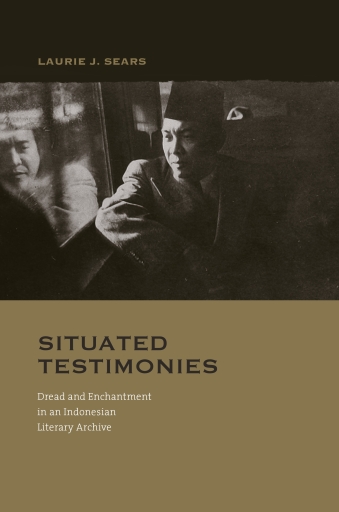
Situated Testimonies
Por Sears, Laurie J.
Publicado por University of Hawaii Press
English
354 páginas
2013
ISBN 9780824839116
PDF
Buy at Catademic
🇺🇸
Catademic
🇺🇸
Visitar loja →
UN
University of Hawaiʻi Press
🇺🇸
Visitar loja →
Bajalibros Latam
🇺🇸
Visitar loja →
Association of University Presses - Tienda FILUNI
🇺🇸
Visitar loja →

Ebooks Librería Antártica
🇨🇱
Visitar loja →
Ebooks Agustin
🇪🇸
Visitar loja →
Bajalibros Argentina
🇦🇷
Visitar loja →

Sanborns Ebooks
🇲🇽
Visitar loja →
ebooks Libreria del GAM
🇺🇾
Visitar loja →
Bookshop Uruguay
🇺🇾
Visitar loja →

ebookskitapenas
🇬🇹
Visitar loja →
Ebooks Yenny - El Ateneo
🇦🇷
Visitar loja →
Crisol Ebooks
🇨🇴
Visitar loja →
Disponível em 13 livrarias
Catademic
🇺🇸
Visitar loja →
UN
University of Hawaiʻi Press
🇺🇸
Visitar loja →
Association of University Presses - Tienda FILUNI
🇺🇸
Visitar loja →
Ebooks Librería Antártica
🇨🇱
Visitar loja →
Ebooks Agustin
🇪🇸
Visitar loja →
Sanborns Ebooks
🇲🇽
Visitar loja →
ebooks Libreria del GAM
🇺🇾
Visitar loja →
ebookskitapenas
🇬🇹
Visitar loja →
Ebooks Yenny - El Ateneo
🇦🇷
Visitar loja →
Crisol Ebooks
🇨🇴
Visitar loja →
Sobre este livro
<p>The Indonesian writer Pramoedya Ananta Toer made a distinction between a “downstream” literary reality and an “upstream” historical reality. Pramoedya suggested that literature has an effect on the upstream flow of history and that it can in fact change history. In <i>Situated Testimonies</i> Laurie Sears illuminates this process by considering a selection of Dutch Indies and Indonesian literary works that span the twentieth century and beyond and by showing how authors like Louis Couperus and Maria Dermoût help retell and remodel history.<br><br>Sears sees certain literary works as “situated testimonies,” bringing ineffable experiences of trauma into narrative form and preserving something of the dread and enchantment that animated the past. These literary works offer a method of reading the emotional traces that historians may fail to witness or record—traces that elude archival constructions where political factors or colonial conditions have influenced processes of what is preserved and how it is shaped. Sears’ use of Donna Haraway’s notion of “situatedness” reiterates the idea that all of us speak from somewhere. Testimony, especially eyewitness testimony, is a gold standard in historical methodology, and the authors of literary works are eyewitnesses of their time. But the works of authors like Tirto Adhi Soerjo and Soewarsih Djojopoespito are first of all written as literature, and literary or stylistic devices cannot be ignored.<br><br>Sears finds substantial evidence of the movement of psychoanalytic theories between Europe and the Indies/Indonesia throughout the twentieth century. She concludes that far from being only a Jewish or European discourse, psychoanalysis is a transnational discourse of desire that has influenced Indies and Indonesian writers for more than a century. Psychoanalytic ideas, and the suggestion by French psychoanalyst Jean Laplanche and Indonesian author Ayu Utami that memories, like literature, can move us back and forth in time, have inspired Sears’ thinking about historical archives, literature, and trauma.<br><br>Soekarno’s words haunt this book as he haunts Indonesia’s past. <i>Situated Testimonies</i> rewrites portions of the literary and social history of Indonesia over a sweep of many decades. Historians, scholars of literary theory, and Indonesianists will all be interested in the book’s insights on how colonial and postcolonial novels of the Indies and Indonesia illuminate nationalist narratives and imperial histories.</p>
Categorias
- Idioma
- English
Compartilhar