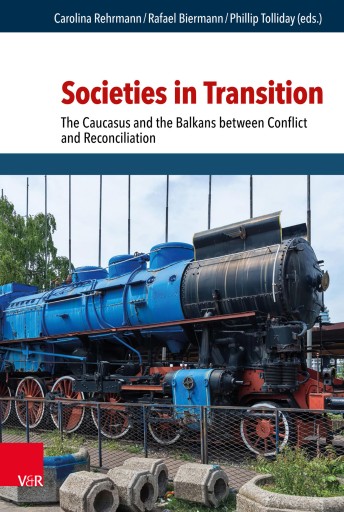
Societies in Transition
Publicado por Vandenhoeck & Ruprecht
English
353 páginas
2020
ISBN 9783647522067
PDF
Buy at LORANCHBOOKSTORE
🇺🇸
 Bajalibros Latam
🇺🇸
Visitar loja →
Bajalibros Latam
🇺🇸
Visitar loja →
 LORANCHBOOKSTORE
🇺🇸
Visitar loja →
LORANCHBOOKSTORE
🇺🇸
Visitar loja →
 Libros Patagonia
🇨🇱
Visitar loja →
Libros Patagonia
🇨🇱
Visitar loja →
 Ebooks Librería Carlos Fuentes
🇲🇽
Visitar loja →
Ebooks Librería Carlos Fuentes
🇲🇽
Visitar loja →
 Ebooks Librería Antártica
🇨🇱
Visitar loja →
Ebooks Librería Antártica
🇨🇱
Visitar loja →
 Ebooks Happy Books
🇨🇴
Visitar loja →
Ebooks Happy Books
🇨🇴
Visitar loja →
 ebooks libreria española
🇪🇨
Visitar loja →
ebooks libreria española
🇪🇨
Visitar loja →
 Bajalibros Argentina
🇦🇷
Visitar loja →
Bajalibros Argentina
🇦🇷
Visitar loja →
 eBooks y Audiolibros en Librería Lerner
🇨🇴
Visitar loja →
eBooks y Audiolibros en Librería Lerner
🇨🇴
Visitar loja →
 ebooks Libreria del GAM
🇺🇾
Visitar loja →
ebooks Libreria del GAM
🇺🇾
Visitar loja →
 Bookshop Uruguay
🇺🇾
Visitar loja →
Bookshop Uruguay
🇺🇾
Visitar loja →
 Ebooks Yenny - El Ateneo
🇦🇷
Visitar loja →
Ebooks Yenny - El Ateneo
🇦🇷
Visitar loja →
Disponível em 12 livrarias
Bajalibros Latam
🇺🇸
Visitar loja →
LORANCHBOOKSTORE
🇺🇸
Visitar loja →
Libros Patagonia
🇨🇱
Visitar loja →
Ebooks Librería Carlos Fuentes
🇲🇽
Visitar loja →
Ebooks Librería Antártica
🇨🇱
Visitar loja →
Ebooks Happy Books
🇨🇴
Visitar loja →
ebooks libreria española
🇪🇨
Visitar loja →
Bajalibros Argentina
🇦🇷
Visitar loja →
eBooks y Audiolibros en Librería Lerner
🇨🇴
Visitar loja →
ebooks Libreria del GAM
🇺🇾
Visitar loja →
Bookshop Uruguay
🇺🇾
Visitar loja →
Ebooks Yenny - El Ateneo
🇦🇷
Visitar loja →
Sobre este livro
Since the end of the Cold War, the collapse of the Soviet Union and the dissolution of Yugoslavia, the Mediterranean and Black Sea regions have been faced with multiple upheavals of interethnic violence, bloody secessions and ethnic cleansing. Up to the present, both regions are confronted with unresolved border, minority and security issues, matters of recognition, protracted traumata and claims for justice. After the fall of the iron curtain, simmering ethnic tensions turned into hot wars that created new states, new power-political hierarchies and a heritage of violence. Reaching back to the early 1990s, several international and national transitional justice measures have been applied to face these heritages and lay the foundations for a common future. For the former Yugoslavia, they range from broad criminal trials to a series of restorative justice mechanisms; in the North and South Caucasus they encompass numerous mediation measures and primarily restorative justice efforts.
The present volume is concerned with strategies of conflict resolution and prevention subsumed under the concept of reconciliation. It aims at understanding the socio-emotional root causes of political cleavages and daily realities of (post-) conflict societies, especially regarding the impact of competing narratives and unprocessed pasts on exclusive identities and strategic political choices. Applying reconciliation theory, insights from collective memory and transitional justice to a series of selected field studies, it sheds light on the origins of interethnic violence, aims at finding explanations for the fact that many of the above-mentioned conflicts have become intractable and discusses the chances and challenges for transforming interests, emotions, perspectives, roles and identities between and within the respective societies.
Categorias
- Idioma
- English
Compartilhar