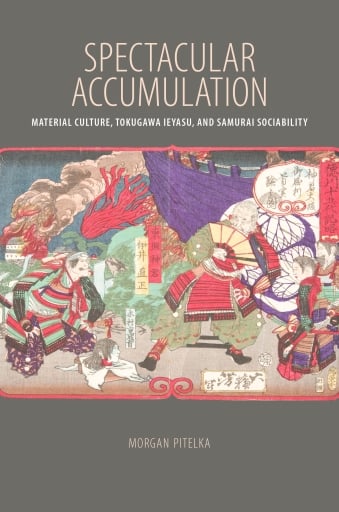
Spectacular Accumulation
Por Pitelka, Morgan
Publicado por University of Hawaii Press
English
241 páginas
2015
ISBN 9780824857363
PDF
Buy at Bajalibros Latam
🇺🇸
Catademic
🇺🇸
Visitar loja →
Bajalibros Latam
🇺🇸
Visitar loja →
Association of University Presses - Tienda FILUNI
🇺🇸
Visitar loja →

Ebooks Librería Antártica
🇨🇱
Visitar loja →
Ebooks Agustin
🇪🇸
Visitar loja →
Bajalibros Argentina
🇦🇷
Visitar loja →

Sanborns Ebooks
🇲🇽
Visitar loja →
ebooks Libreria del GAM
🇺🇾
Visitar loja →
Bookshop Uruguay
🇺🇾
Visitar loja →

ebookskitapenas
🇬🇹
Visitar loja →
Ebooks Yenny - El Ateneo
🇦🇷
Visitar loja →
Crisol Ebooks
🇨🇴
Visitar loja →
Disponível em 12 livrarias
Catademic
🇺🇸
Visitar loja →
Association of University Presses - Tienda FILUNI
🇺🇸
Visitar loja →
Ebooks Librería Antártica
🇨🇱
Visitar loja →
Ebooks Agustin
🇪🇸
Visitar loja →
Sanborns Ebooks
🇲🇽
Visitar loja →
ebooks Libreria del GAM
🇺🇾
Visitar loja →
ebookskitapenas
🇬🇹
Visitar loja →
Ebooks Yenny - El Ateneo
🇦🇷
Visitar loja →
Crisol Ebooks
🇨🇴
Visitar loja →
Sobre este livro
<p>In <i>Spectacular Accumulation</i>, Morgan Pitelka investigates the significance of material culture and sociability in late sixteenth-century Japan, focusing in particular on the career and afterlife of Tokugawa Ieyasu (1543–1616), the founder of the Tokugawa shogunate. The story of Ieyasu illustrates the close ties between people, things, and politics and offers us insight into the role of material culture in the shift from medieval to early modern Japan and in shaping our knowledge of history.<br><br>This innovative and eloquent history of a transitional age in Japan reframes the relationship between culture and politics. Like the collection of <i>meibutsu</i>, or "famous objects," exchanging hostages, collecting heads, and commanding massive armies were part of a strategy Pitelka calls "spectacular accumulation," which profoundly affected the creation and character of Japan's early modern polity. Pitelka uses the notion of spectacular accumulation to contextualize the acquisition of "art" within a larger complex of practices aimed at establishing governmental authority, demonstrating military dominance, reifying hierarchy, and advertising wealth. He avoids the artificial distinction between cultural history and political history, arguing that the famed cultural efflorescence of these years was not subsidiary to the landscape of political conflict, but constitutive of it. Employing a wide range of thoroughly researched visual and material evidence, including letters, diaries, historical chronicles, and art, Pitelka links the increasing violence of civil and international war to the increasing importance of samurai social rituals and cultural practices. Moving from the Ashikaga palaces of Kyoto to the tea utensil collections of Ieyasu, from the exchange of military hostages to the gift-giving rituals of Oda Nobunaga and Toyotomi Hideyoshi, <i>Spectacular Accumulation</i> traces Japanese military rulers' power plays over famous artworks as well as objectified human bodies.</p>
- Idioma
- English
Compartilhar