Ir para o conteúdo principal
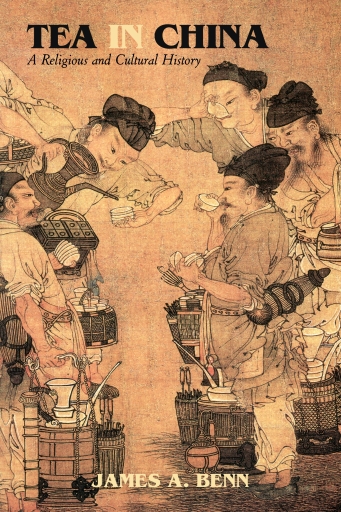
Tea in China

Tea in China

Por Benn, James A.

Publicado por University of Hawaii Press

English 306 páginas 2015 ISBN 9780824853983
Tempo de leitura estimado: 5 h 37 min
PDF

Sobre este livro

Tea in China explores the contours of religious and cultural transformation in traditional China from the point of view of an everyday commodity and popular beverage. The work traces the development of tea drinking from its mythical origins to the nineteenth century and examines the changes in aesthetics, ritual, science, health, and knowledge that tea brought with it. The shift in drinking habits that occurred in late medieval China cannot be understood without an appreciation of the fact that Buddhist monks were responsible for not only changing people's attitudes toward the intoxicating substance, but also the proliferation of tea drinking. Monks had enjoyed a long association with tea in South China, but it was not until Lu Yu's compilation of the Chajing (The Classic of Tea) and the spread of tea drinking by itinerant Chan monastics that tea culture became popular throughout the empire and beyond. Tea was important for maintaining long periods of meditation; it also provided inspiration for poets and profoundly affected the ways in which ideas were exchanged. Prior to the eighth century, the aristocratic drinking party had excluded monks from participating in elite culture. Over cups of tea, however, monks and literati could meet on equal footing and share in the same aesthetic values. Monks and scholars thus found common ground in the popular stimulant—one with few side effects that was easily obtainable and provided inspiration and energy for composing poetry and meditating. In addition, rituals associated with tea drinking were developed in Chan monasteries, aiding in the transformation of China's sacred landscape at the popular and elite level. Pilgrimages to monasteries that grew their own tea were essential in the spread of tea culture, and some monasteries owned vast tea plantations. By the end of the ninth century, tea was a vital component in the Chinese economy and in everyday life. Tea in China transcends the boundaries of religious studies and cultural history as it draws on a broad range of materials—poetry, histories, liturgical texts, monastic regulations—many translated or analyzed for the first time. The book will be of interest to scholars of East Asia and all those concerned with the religious dimensions of commodity culture in the premodern world.

Disponibilidade

Tea in China está disponível como PDF em 13 livrarias online. Entre as livrarias que o vendem estão Association of University Presses - Tienda FILUNI, Bajalibros Argentina, Bajalibros Latam.

Idioma
English
Compartilhar

Perguntas frequentes

Em quais formatos Tea in China está disponível?
Tea in China está disponível como PDF em 13 livrarias online.
Onde posso comprar Tea in China?
Você pode comprar Tea in China em Association of University Presses - Tienda FILUNI, Bajalibros Argentina, Bajalibros Latam. Compare todas as opções na lista desta página.
Quanto tempo leva para ler Tea in China?
Em um ritmo médio de leitura, Tea in China leva cerca de 5 h 37 min para ser lido (306 páginas).

Avaliações e resenhas

Ainda não há avaliações. Seja o primeiro a resenhar este livro.

Entrar para avaliar e resenhar este livro.
Comentários

Entrar para participar da conversa.

Ainda não há comentários.