The Grand Inquisitor
Publicado por Good Press
English
2019
ISBN 4057664097811
eBook
Buy at LORANCHBOOKSTORE
🇺🇸
 Bajalibros Latam
🇺🇸
Visitar loja →
Bajalibros Latam
🇺🇸
Visitar loja →
 LORANCHBOOKSTORE
🇺🇸
Visitar loja →
LORANCHBOOKSTORE
🇺🇸
Visitar loja →
 Libros Patagonia
🇨🇱
Visitar loja →
Libros Patagonia
🇨🇱
Visitar loja →
 Ebooks Librería Carlos Fuentes
🇲🇽
Visitar loja →
Ebooks Librería Carlos Fuentes
🇲🇽
Visitar loja →
 Ebooks Librería Antártica
🇨🇱
Visitar loja →
Ebooks Librería Antártica
🇨🇱
Visitar loja →
 Ebooks Happy Books
🇨🇴
Visitar loja →
Ebooks Happy Books
🇨🇴
Visitar loja →
 ebooks libreria española
🇪🇨
Visitar loja →
ebooks libreria española
🇪🇨
Visitar loja →
 Bajalibros Argentina
🇦🇷
Visitar loja →
Bajalibros Argentina
🇦🇷
Visitar loja →
 Alpha Books
🇨🇴
Visitar loja →
Alpha Books
🇨🇴
Visitar loja →
 Sanborns Ebooks
🇲🇽
Visitar loja →
Sanborns Ebooks
🇲🇽
Visitar loja →
 ebooks Libreria del GAM
🇨🇱
Visitar loja →
ebooks Libreria del GAM
🇨🇱
Visitar loja →
 Bookshop Uruguay
🇺🇾
Visitar loja →
Bookshop Uruguay
🇺🇾
Visitar loja →
 Ebooks Yenny - El Ateneo
🇦🇷
Visitar loja →
Ebooks Yenny - El Ateneo
🇦🇷
Visitar loja →
 Crisol Ebooks
🇵🇪
Visitar loja →
Crisol Ebooks
🇵🇪
Visitar loja →
Disponível em 14 livrarias
Bajalibros Latam
🇺🇸
Visitar loja →
LORANCHBOOKSTORE
🇺🇸
Visitar loja →
Libros Patagonia
🇨🇱
Visitar loja →
Ebooks Librería Carlos Fuentes
🇲🇽
Visitar loja →
Ebooks Librería Antártica
🇨🇱
Visitar loja →
Ebooks Happy Books
🇨🇴
Visitar loja →
ebooks libreria española
🇪🇨
Visitar loja →
Bajalibros Argentina
🇦🇷
Visitar loja →
Alpha Books
🇨🇴
Visitar loja →
Sanborns Ebooks
🇲🇽
Visitar loja →
ebooks Libreria del GAM
🇨🇱
Visitar loja →
Bookshop Uruguay
🇺🇾
Visitar loja →
Ebooks Yenny - El Ateneo
🇦🇷
Visitar loja →
Crisol Ebooks
🇵🇪
Visitar loja →
Sobre este livro
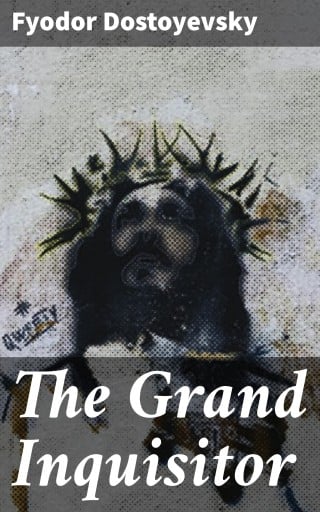
In "The Grand Inquisitor," a pivotal section from Fyodor Dostoyevsky's novel "The Brothers Karamazov," the author presents a profound theological and philosophical dialogue set against the backdrop of 16th-century Spain. The story unfolds through a conversation between the titular Inquisitor and Jesus Christ, exploring themes of free will, faith, and moral authority. Dostoyevsky's narrative is characterized by its intense psychological depth and rich allegorical structure, employing the contrasting perspectives of authority and personal freedom to interrogate the human condition and the nature of belief. The style is both lyrical and incisive, reflecting the tensions of a society grappling with the erosion of faith in the face of burgeoning rationalism. Dostoyevsky, a prominent figure in Russian literature and a prisoner of his own existential struggles, intently examined the complexities of faith, doubt, and redemption in his works. Experiencing immense personal turmoil, including imprisonment and financial hardships, Dostoyevsky's reflections on tyranny and spiritual anguish in "The Grand Inquisitor" can be seen as a response to the pervasive nihilism of his era, revealing his profound engagement with the moral dilemmas of existence. This compelling narrative is essential reading for those interested in existential philosophy and religious discourse. Recommended for readers seeking to understand the intricate interplay between faith and human freedom, "The Grand Inquisitor" invites profound contemplation of the very nature of human existence and divine responsibility.
Categorias
- Idioma
- English
Compartilhar