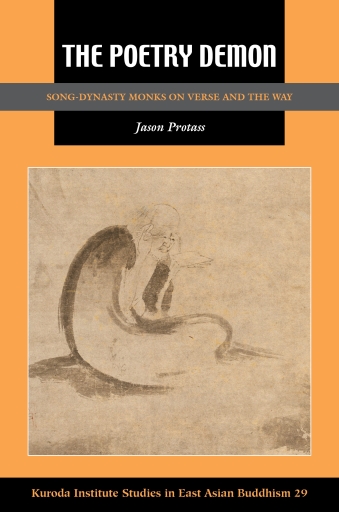
The Poetry Demon
Por Protass, Jason
Publicado por University of Hawaii Press
English
2021
ISBN 9780824889081
eBook
Buy at Association of University Presses - Tienda FILUNI
🇺🇸
 Catademic
🇺🇸
Visitar loja →
Catademic
🇺🇸
Visitar loja →
 Bajalibros Latam
🇺🇸
Visitar loja →
Bajalibros Latam
🇺🇸
Visitar loja →
 Association of University Presses - Tienda FILUNI
🇺🇸
Visitar loja →
Association of University Presses - Tienda FILUNI
🇺🇸
Visitar loja →
 Ebooks Librería Antártica
🇨🇱
Visitar loja →
Ebooks Librería Antártica
🇨🇱
Visitar loja →
 Ebooks Agustin
🇪🇸
Visitar loja →
Ebooks Agustin
🇪🇸
Visitar loja →
 Bajalibros Argentina
🇦🇷
Visitar loja →
Bajalibros Argentina
🇦🇷
Visitar loja →
 Sanborns Ebooks
🇲🇽
Visitar loja →
Sanborns Ebooks
🇲🇽
Visitar loja →
 ebooks Libreria del GAM
🇨🇱
Visitar loja →
ebooks Libreria del GAM
🇨🇱
Visitar loja →
 Bookshop Uruguay
🇺🇾
Visitar loja →
Bookshop Uruguay
🇺🇾
Visitar loja →
 ebookskitapenas
🇬🇹
Visitar loja →
ebookskitapenas
🇬🇹
Visitar loja →
 Ebooks Yenny - El Ateneo
🇦🇷
Visitar loja →
Ebooks Yenny - El Ateneo
🇦🇷
Visitar loja →
 Crisol Ebooks
🇵🇪
Visitar loja →
Crisol Ebooks
🇵🇪
Visitar loja →
Disponível em 12 livrarias
Catademic
🇺🇸
Visitar loja →
Bajalibros Latam
🇺🇸
Visitar loja →
Association of University Presses - Tienda FILUNI
🇺🇸
Visitar loja →
Ebooks Librería Antártica
🇨🇱
Visitar loja →
Ebooks Agustin
🇪🇸
Visitar loja →
Bajalibros Argentina
🇦🇷
Visitar loja →
Sanborns Ebooks
🇲🇽
Visitar loja →
ebooks Libreria del GAM
🇨🇱
Visitar loja →
Bookshop Uruguay
🇺🇾
Visitar loja →
ebookskitapenas
🇬🇹
Visitar loja →
Ebooks Yenny - El Ateneo
🇦🇷
Visitar loja →
Crisol Ebooks
🇵🇪
Visitar loja →
Sobre este livro
<p>Chinese Buddhist monks of the Song dynasty (960–1279) called the irresistible urge to compose poetry “the poetry demon.” In this ambitious study, Jason Protass seeks to bridge the fields of Buddhist studies and Chinese literature to examine the place of poetry in the lives of Song monks. Although much has been written about verses in the <i>gong’an</i> (Jpn. <i>kōan</i>) tradition, very little is known about the large corpora—roughly 30,000 extant poems—composed by these monastics. Protass addresses the oversight by using strategies associated with religious studies, literary studies, and sociology. He weaves together poetry with a wide range of monastic sources and in doing so argues against positing a “literary Chan” movement that wrote poetry as a path to awakening; he instead presents an understanding of monks’ poetry grounded in the Song discourse of monks themselves.<br><br>The work begins by examining how monks fashioned new genres, created their own books, and fueled a monastic audience for monks’ poetry. It traces the evolution of <i>gāthā</i> from hymns found in Buddhist scripture to an independent genre for poems associated with Chan masters as living buddhas. While Song monastic culture produced a prodigious amount of verse, at the same time it promoted prohibitions against monks’ participation in poetry as a worldly or Confucian art: This constructive tension was an animating force. <i>The Poetry Demon</i> highlights this and other intersections of Buddhist doctrine with literary sociality and charts productive pathways through numerous materials, including collections of Chan “recorded sayings,” monastic rulebooks, “eminent monk” and “flame record” hagiographies, manuscripts of poetry, Buddhist encyclopedia, primers, and sūtra commentary.<br><br>Two chapter-length case studies illustrate how Song monks participated in two of the most prominent and conservative modes of poetry of the time, those of parting and mourning. Protass reveals how monks used Chan humor with reference to emptiness to transform acts of separation into Buddhist teachings. In another chapter, monks in mourning expressed their grief and dharma through poetry. <i>The Poetry Demon</i> impressively uncovers new and creative ways to study Chinese Buddhist monks’ poetry while contributing to the broader study of Chinese religion and literature.</p>
Categorias
- Idioma
- English
Compartilhar