
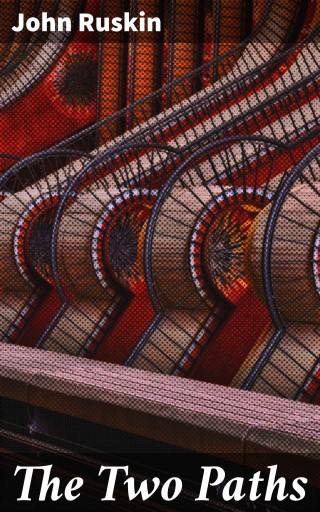
The Two Paths
Por Ruskin, John
Publicado por Good Press
English
2019
ISBN 4064066246006
eBook
Buy at LORANCHBOOKSTORE
🇺🇸
 Bajalibros Latam
🇺🇸
Visitar loja →
Bajalibros Latam
🇺🇸
Visitar loja →
 LORANCHBOOKSTORE
🇺🇸
Visitar loja →
LORANCHBOOKSTORE
🇺🇸
Visitar loja →
 Libros Patagonia
🇨🇱
Visitar loja →
Libros Patagonia
🇨🇱
Visitar loja →
 Ebooks Librería Carlos Fuentes
🇲🇽
Visitar loja →
Ebooks Librería Carlos Fuentes
🇲🇽
Visitar loja →
 Ebooks Librería Antártica
🇨🇱
Visitar loja →
Ebooks Librería Antártica
🇨🇱
Visitar loja →
 Ebooks Happy Books
🇨🇴
Visitar loja →
Ebooks Happy Books
🇨🇴
Visitar loja →
 ebooks libreria española
🇪🇨
Visitar loja →
ebooks libreria española
🇪🇨
Visitar loja →
 Bajalibros Argentina
🇦🇷
Visitar loja →
Bajalibros Argentina
🇦🇷
Visitar loja →
 Alpha Books
🇨🇴
Visitar loja →
Alpha Books
🇨🇴
Visitar loja →
 Sanborns Ebooks
🇲🇽
Visitar loja →
Sanborns Ebooks
🇲🇽
Visitar loja →
 ebooks Libreria del GAM
🇨🇱
Visitar loja →
ebooks Libreria del GAM
🇨🇱
Visitar loja →
 Bookshop Uruguay
🇺🇾
Visitar loja →
Bookshop Uruguay
🇺🇾
Visitar loja →
 Ebooks Yenny - El Ateneo
🇦🇷
Visitar loja →
Ebooks Yenny - El Ateneo
🇦🇷
Visitar loja →
 Crisol Ebooks
🇵🇪
Visitar loja →
Crisol Ebooks
🇵🇪
Visitar loja →
Disponível em 14 livrarias
Bajalibros Latam
🇺🇸
Visitar loja →
LORANCHBOOKSTORE
🇺🇸
Visitar loja →
Libros Patagonia
🇨🇱
Visitar loja →
Ebooks Librería Carlos Fuentes
🇲🇽
Visitar loja →
Ebooks Librería Antártica
🇨🇱
Visitar loja →
Ebooks Happy Books
🇨🇴
Visitar loja →
ebooks libreria española
🇪🇨
Visitar loja →
Bajalibros Argentina
🇦🇷
Visitar loja →
Alpha Books
🇨🇴
Visitar loja →
Sanborns Ebooks
🇲🇽
Visitar loja →
ebooks Libreria del GAM
🇨🇱
Visitar loja →
Bookshop Uruguay
🇺🇾
Visitar loja →
Ebooks Yenny - El Ateneo
🇦🇷
Visitar loja →
Crisol Ebooks
🇵🇪
Visitar loja →
Sobre este livro
In "The Two Paths," John Ruskin delves into the intricate relationship between art, architecture, and morality within the context of the Industrial Revolution. Employing his signature blend of eloquent prose and vivid imagery, Ruskin contrasts the noble aspirations of artistic integrity with the mechanized, often soulless output of industrialism. Through compelling arguments and insightful observations, he examines the implications of modernity on both society and the individual, urging a return to craftsmanship and an appreciation for beauty that resonates with the soul. This work, part critical treatise and part philosophical manifesto, stands as a key text in the Victorian discourse on aesthetics and ethics, encouraging readers to contemplate the paths available to humanity in a rapidly changing world. John Ruskin (1819-1900) was not only an art critic but also a social thinker and philanthropist whose deep-seated beliefs about the value of nature and the importance of moral purpose in art profoundly shaped his writing. His upbringing in a creatively rich environment and his extensive study of medieval architecture and Renaissance art informed his conception of authenticity and social responsibility in artistic endeavors. Ruskin's personal experiences, including his reactions to the harsh realities of the Industrial Revolution, inspired him to advocate for a return to artistic values that align with ethical considerations. Readers interested in the intersections of art, ethics, and social justice will find "The Two Paths" an enlightening exploration. Ruskin's articulate defense of beauty as a guiding principle offers a compelling framework for assessing contemporary artistic practices. For those seeking a deeper understanding of Victorian thought on aesthetics, this work is indispensable and remains remarkably relevant today.
In this enriched edition, we have carefully created added value for your reading experience:
- A succinct Introduction situates the work's timeless appeal and themes.
- The Synopsis outlines the central plot, highlighting key developments without spoiling critical twists.
- A detailed Historical Context immerses you in the era's events and influences that shaped the writing.
- An Author Biography reveals milestones in the author's life, illuminating the personal insights behind the text.
- A thorough Analysis dissects symbols, motifs, and character arcs to unearth underlying meanings.
- Reflection questions prompt you to engage personally with the work's messages, connecting them to modern life.
- Hand‐picked Memorable Quotes shine a spotlight on moments of literary brilliance.
- Interactive footnotes clarify unusual references, historical allusions, and archaic phrases for an effortless, more informed read.
Categorias
- Idioma
- English
Compartilhar
Você também pode gostar

Anatomía de lo real
Parra Valencia, Juan Diego, Català Domènech, Josep María

Anatomía de lo real
Parra Valencia, Juan Diego, Català Domènech, Josep María
La pintura holandesa en el siglo de oro
Margot , Jean-Paul
Adiós a la estética
Schaeffer, Jean-Marie
Präludien
Windelband, Wilhelm
Schönfärber
Fuhlbrügge, Thomas