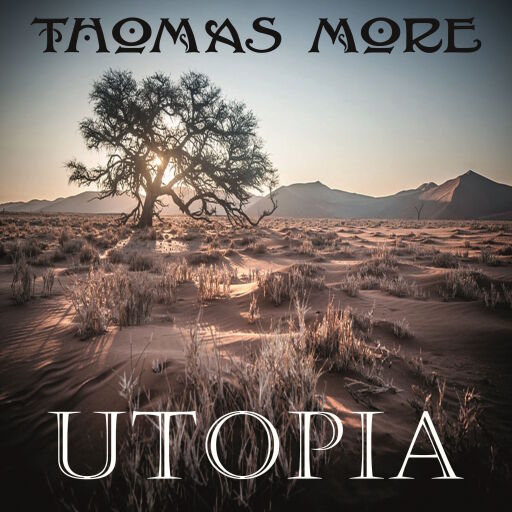
Utopia
Por More, Thomas
Publicado por The Ebook Emporium
English
2026
ISBN 9791070055663
eBook
Buy at ebooks Libreria del GAM
🇨🇱
 Bajalibros Argentina
🇦🇷
Visitar loja →
Bajalibros Argentina
🇦🇷
Visitar loja →
 Bajalibros Latam
🇺🇸
Visitar loja →
Bajalibros Latam
🇺🇸
Visitar loja →
 Bookshop Uruguay
🇺🇾
Visitar loja →
Bookshop Uruguay
🇺🇾
Visitar loja →
 Crisol Ebooks
🇵🇪
Visitar loja →
Crisol Ebooks
🇵🇪
Visitar loja →
Disponível em 8 livrarias
Bajalibros Argentina
🇦🇷
Visitar loja →
Bajalibros Latam
🇺🇸
Visitar loja →
Bookshop Uruguay
🇺🇾
Visitar loja →
Crisol Ebooks
🇵🇪
Visitar loja →




Sobre este livro
What would a perfect society really look like?
Written in 1516, Utopia by Thomas More is one of the most influential works of political philosophy ever published. Through a vivid fictional island society, More explores ideas of justice, equality, governance, education, and the relationship between individuals and the state.
This timeless classic challenges readers to question accepted social norms and reflect on the strengths and flaws of their own societies. Blending satire with serious philosophical inquiry, Utopia remains remarkably relevant in discussions of politics, economics, and social reform.
Inside this eBook, you'll explore:
A detailed vision of an idealized society and its laws
Early critiques of wealth inequality and corruption
Thought-provoking ideas on property, work, religion, and government
A foundational text that shaped modern political and social theory
Studied in universities worldwide and debated for centuries, Utopia continues to inspire thinkers, reformers, and readers interested in the future of society.
Whether you are a student of philosophy, a lover of classic literature, or a reader curious about political ideals, this essential work belongs in your collection.
Discover the book that gave the world the word "utopia." Buy now and explore one of the most important classics in political thought.
Disponibilidade
Utopia está disponível como eBook em 8 livrarias online. Entre as livrarias que o vendem estão Bajalibros Argentina, Bajalibros Latam, Bookshop Uruguay.
- Idioma
- English
Compartilhar
Perguntas frequentes
- Em quais formatos Utopia está disponível?
- Utopia está disponível como eBook em 8 livrarias online.
- Onde posso comprar Utopia?
- Você pode comprar Utopia em Bajalibros Argentina, Bajalibros Latam, Bookshop Uruguay. Compare todas as opções na lista desta página.
Avaliações e resenhas
Ainda não há avaliações. Seja o primeiro a resenhar este livro.
Entrar para avaliar e resenhar este livro.