
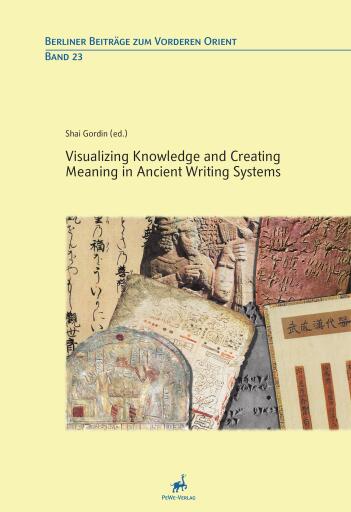
Visualizing Knowledge and Creating Meaning in Ancient Writing Systems
Publicado por PeWe-Verlag
Disponível em 13 livrarias
 Alpha Books
🇨🇴
Visitar loja →
Alpha Books
🇨🇴
Visitar loja →
 Bajalibros Argentina
🇦🇷
Visitar loja →
Bajalibros Argentina
🇦🇷
Visitar loja →
 Bajalibros Latam
🇺🇸
Visitar loja →
Bajalibros Latam
🇺🇸
Visitar loja →
 Bookshop Uruguay
🇺🇾
Visitar loja →
Bookshop Uruguay
🇺🇾
Visitar loja →
 Crisol Ebooks
🇵🇪
Visitar loja →
Crisol Ebooks
🇵🇪
Visitar loja →








Sobre este livro
Disponibilidade
Visualizing Knowledge and Creating Meaning in Ancient Writing Systems está disponível como PDF em 13 livrarias online. Entre as livrarias que o vendem estão Alpha Books, Bajalibros Argentina, Bajalibros Latam.
- Idioma
- English
Perguntas frequentes
- Em quais formatos Visualizing Knowledge and Creating Meaning in Ancient Writing Systems está disponível?
- Visualizing Knowledge and Creating Meaning in Ancient Writing Systems está disponível como PDF em 13 livrarias online.
- Onde posso comprar Visualizing Knowledge and Creating Meaning in Ancient Writing Systems?
- Você pode comprar Visualizing Knowledge and Creating Meaning in Ancient Writing Systems em Alpha Books, Bajalibros Argentina, Bajalibros Latam. Compare todas as opções na lista desta página.
- Quanto tempo leva para ler Visualizing Knowledge and Creating Meaning in Ancient Writing Systems?
- Em um ritmo médio de leitura, Visualizing Knowledge and Creating Meaning in Ancient Writing Systems leva cerca de 4 h 47 min para ser lido (261 páginas).
Avaliações e resenhas
Ainda não há avaliações. Seja o primeiro a resenhar este livro.
Entrar para avaliar e resenhar este livro.
Você também pode gostar
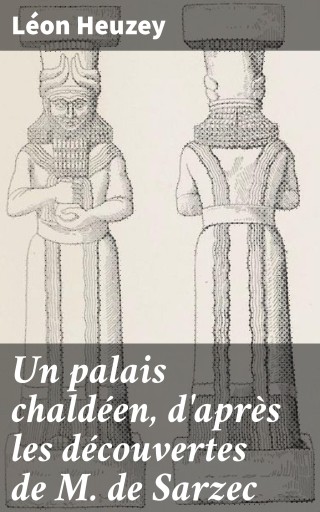
Un palais chaldéen, d'après les découvertes de M. de Sarzec
Heuzey, Léon

Geschichte des peloponnesischen Krieges
Thukydides

Kavousi IIB
Day, Leslie Preston, Glowacki, Kevin T.

Sargonic Texts from Telloh in the Istanbul Archaeological Museums, Part 2
Foster, Benjamin R.

Die griechischen Phylen
Grote, Oliver

Devotio malefica
Chiarini, Sara