
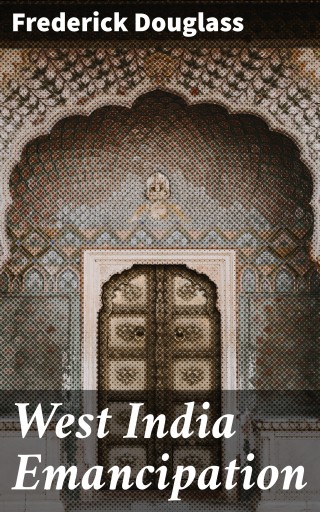
West India Emancipation
Publicado por Good Press
English
2020
ISBN 4064066430573
eBook
Buy at LORANCHBOOKSTORE
🇺🇸
 Bajalibros Latam
🇺🇸
Visitar loja →
Bajalibros Latam
🇺🇸
Visitar loja →
 LORANCHBOOKSTORE
🇺🇸
Visitar loja →
LORANCHBOOKSTORE
🇺🇸
Visitar loja →
 Libros Patagonia
🇨🇱
Visitar loja →
Libros Patagonia
🇨🇱
Visitar loja →
 Ebooks Librería Carlos Fuentes
🇲🇽
Visitar loja →
Ebooks Librería Carlos Fuentes
🇲🇽
Visitar loja →
 Ebooks Librería Antártica
🇨🇱
Visitar loja →
Ebooks Librería Antártica
🇨🇱
Visitar loja →
 Ebooks Happy Books
🇨🇴
Visitar loja →
Ebooks Happy Books
🇨🇴
Visitar loja →
 ebooks libreria española
🇪🇨
Visitar loja →
ebooks libreria española
🇪🇨
Visitar loja →
 Bajalibros Argentina
🇦🇷
Visitar loja →
Bajalibros Argentina
🇦🇷
Visitar loja →
 Alpha Books
🇨🇴
Visitar loja →
Alpha Books
🇨🇴
Visitar loja →
 Sanborns Ebooks
🇲🇽
Visitar loja →
Sanborns Ebooks
🇲🇽
Visitar loja →
 ebooks Libreria del GAM
🇨🇱
Visitar loja →
ebooks Libreria del GAM
🇨🇱
Visitar loja →
 Bookshop Uruguay
🇺🇾
Visitar loja →
Bookshop Uruguay
🇺🇾
Visitar loja →
 Ebooks Yenny - El Ateneo
🇦🇷
Visitar loja →
Ebooks Yenny - El Ateneo
🇦🇷
Visitar loja →
 Crisol Ebooks
🇵🇪
Visitar loja →
Crisol Ebooks
🇵🇪
Visitar loja →
Disponível em 14 livrarias
Bajalibros Latam
🇺🇸
Visitar loja →
LORANCHBOOKSTORE
🇺🇸
Visitar loja →
Libros Patagonia
🇨🇱
Visitar loja →
Ebooks Librería Carlos Fuentes
🇲🇽
Visitar loja →
Ebooks Librería Antártica
🇨🇱
Visitar loja →
Ebooks Happy Books
🇨🇴
Visitar loja →
ebooks libreria española
🇪🇨
Visitar loja →
Bajalibros Argentina
🇦🇷
Visitar loja →
Alpha Books
🇨🇴
Visitar loja →
Sanborns Ebooks
🇲🇽
Visitar loja →
ebooks Libreria del GAM
🇨🇱
Visitar loja →
Bookshop Uruguay
🇺🇾
Visitar loja →
Ebooks Yenny - El Ateneo
🇦🇷
Visitar loja →
Crisol Ebooks
🇵🇪
Visitar loja →
Sobre este livro
In "West India Emancipation," Frederick Douglass delivers a powerful oration that captures the emotional and historical significance of the emancipation of enslaved people in the British West Indies. This work, crafted with Douglass's signature eloquence and rhetorical prowess, reflects on the triumph of liberty over oppression while simultaneously critiquing the remnants of systemic racism and the necessity of continual struggle for true freedom. Set against the backdrop of the mid-19th century's abolition movements, Douglass's address serves as both a celebratory testament to progress and a sober reminder of the challenges that persist in the pursuit of equality. Frederick Douglass, a former enslaved person turned eminent abolitionist, diplomat, and writer, drew upon his own harrowing experiences to inform his work. His life's journey'—from the depths of enslavement to becoming a leading voice for civil rights'—imbues "West India Emancipation" with a deeply personal and passionate perspective. Douglass's commitment to social justice was honed through years of advocacy, culminating in this compelling narrative that emphasizes universal human rights and the necessity for continued vigilance against tyranny. Highly recommended for readers interested in history, social justice, and eloquent rhetoric, "West India Emancipation" offers invaluable insight into Douglass's vision of freedom and the critical lessons of emancipation. This work not only commemorates a pivotal moment in history but also resonates with contemporary dialogues about race, identity, and civil rights. Douglass's profound reflections urge us to evaluate our current societal structures, making this book a must-read for anyone passionate about justice and equality.
In this enriched edition, we have carefully created added value for your reading experience:
- A succinct Introduction situates the work's timeless appeal and themes.
- The Synopsis outlines the central plot, highlighting key developments without spoiling critical twists.
- A detailed Historical Context immerses you in the era's events and influences that shaped the writing.
- An Author Biography reveals milestones in the author's life, illuminating the personal insights behind the text.
- A thorough Analysis dissects symbols, motifs, and character arcs to unearth underlying meanings.
- Reflection questions prompt you to engage personally with the work's messages, connecting them to modern life.
- Hand‐picked Memorable Quotes shine a spotlight on moments of literary brilliance.
- Interactive footnotes clarify unusual references, historical allusions, and archaic phrases for an effortless, more informed read.
Categorias
- Idioma
- English
Compartilhar
Você também pode gostar
The Speeches & Autobiographical Writings of Frederick Douglass
Douglass, Frederick

Heimsuchung
Gutberlet, Bernd Ingmar
Reminiscences of two years with the colored troops
Addeman, Joshua M.

A Letter to Hon. Charles Sumner, with 'Statements' of Outrages upon Freedmen in Georgia
Pierson, Hamilton W.

Historic Jamaica
Cundall, Frank
My Bondage and My Freedom
Douglass, Frederick