Zum Hauptinhalt springen
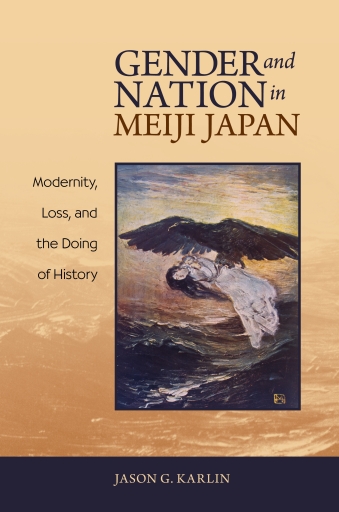
Gender and Nation in Meiji Japan

Gender and Nation in Meiji Japan

Von Karlin, Jason G.

Herausgegeben von University of Hawaii Press

English 2014 ISBN 9780824858384
eBook

Über dieses Buch

Gender and Nation in Meiji Japan is a historical analysis of the discourses of nostalgia in late nineteenth- and early twentieth-century Japan. Through an analysis of the experience of rapid social change in Japan’s modernization, it argues that fads (ryūkō) and the desires they express are central to understanding Japanese modernity, conceptions of gender, and discourses of nationalism. In doing so, the author uncovers the myth of eternal return that lurks below the surface of Japanese history as an expression of the desire to find meaning amid the chaos and alienation of modern times. The Meiji period (1868–1912) was one of rapid change that hastened the process of forgetting: The state’s aggressive program of modernization required the repression of history and memory. However, repression merely produced new forms of desire seeking a return to the past, with the result that competing or alternative conceptions of the nation haunted the history of modern Japan. Rooted in the belief that the nation was a natural and organic entity that predated the rational, modern state, such conceptions often were responses to modernity that envisioned the nation in opposition to the modern state. What these visions of the nation shared was the ironic desire to overcome the modern condition by seeking the timeless past. While the condition of their repression was often linked to the modernizing policies of the Meiji state, the means for imagining the nation in opposition to the state required the construction of new symbols that claimed the authority of history and appealed to a rearticulated tradition. Through the idiom of gender and nation, new reified representations of continuity, timelessness, and history were fashioned to compensate for the unmooring of inherited practices from the shared locales of everyday life. This book examines the intellectual, social, and cultural factors that contributed to the rapid spread of Western tastes and styles, along with the backlash against Westernization that was expressed as a longing for the past. By focusing on the expressions of these desires in popular culture and media texts, it reveals how the conflation of mother, countryside, everyday life, and history structured representations to naturalize ideologies of gender and nationalism.

Verfügbarkeit

Gender and Nation in Meiji Japan ist als eBook in 13 Online-Buchhandlungen erhältlich. Zu den Buchhandlungen, die es führen, gehören Association of University Presses - Tienda FILUNI, Bajalibros Argentina, Bajalibros Latam.

Sprache
English
Teilen

Häufige Fragen

In welchen Formaten ist Gender and Nation in Meiji Japan erhältlich?
Gender and Nation in Meiji Japan ist als eBook in 13 Online-Buchhandlungen erhältlich.
Wo kann ich Gender and Nation in Meiji Japan kaufen?
Du kannst Gender and Nation in Meiji Japan bei Association of University Presses - Tienda FILUNI, Bajalibros Argentina, Bajalibros Latam kaufen. Vergleiche alle Optionen in der Liste auf dieser Seite.

Bewertungen und Rezensionen

Noch keine Bewertungen. Sei der Erste, der dieses Buch rezensiert.

Anmelden um dieses Buch zu bewerten und zu rezensieren.

Kommentare

Anmelden um an der Unterhaltung teilzunehmen.

Noch keine Kommentare.