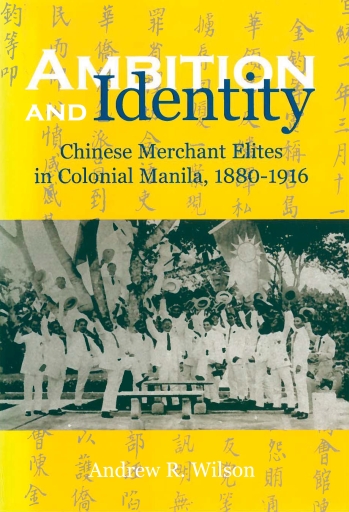
Ambition and Identity
Publicado por University of Hawaii Press
English
321 páginas
2004
ISBN 9780824861407
Tiempo de lectura estimado: 5 h 53 min
PDF
Buy at EbooksVirrey
🇺🇸
 Association of University Presses - Tienda FILUNI
🇺🇸
Visitar tienda →
Association of University Presses - Tienda FILUNI
🇺🇸
Visitar tienda →
 Bajalibros Argentina
🇦🇷
Visitar tienda →
Bajalibros Argentina
🇦🇷
Visitar tienda →
 Bajalibros Latam
🇺🇸
Visitar tienda →
Bajalibros Latam
🇺🇸
Visitar tienda →
 Bookshop Uruguay
🇺🇾
Visitar tienda →
Bookshop Uruguay
🇺🇾
Visitar tienda →
 Catademic
🇺🇸
Visitar tienda →
Catademic
🇺🇸
Visitar tienda →
Disponible en 16 librerías
Association of University Presses - Tienda FILUNI
🇺🇸
Visitar tienda →
Bajalibros Argentina
🇦🇷
Visitar tienda →
Bajalibros Latam
🇺🇸
Visitar tienda →
Bookshop Uruguay
🇺🇾
Visitar tienda →
Catademic
🇺🇸
Visitar tienda →











Sobre este libro
What binds overseas Chinese communities together? Traditionally scholars have stressed the interplay of external factors (discrimination, local hostility) and internal forces (shared language, native-place ties, family) to account for the cohesion and "Chineseness" of these overseas groups. Andrew Wilson challenges this Manichean explanation of identity by introducing a third factor: the ambitions of the Chinese merchant elite, which played an equal, if not greater, role in the formation of ethnic identity among the Chinese in colonial Manila.
Drawing on Chinese, Spanish, and American sources and applying a broad range of historiographical approaches, this volume dissects the structures of authority and identity within Manila’s Chinese community over a period of dramatic socioeconomic change and political upheaval. It reveals the ways in which wealthy Chinese merchants dealt in not only goods and services, but also political influence and the movement of human talent from China to the Philippines. Their influence and status extended across the physical and political divide between China and the Philippines, from the villages of southern China to the streets of Manila, making them a truly transnational elite. Control of community institutions and especially migration networks accounts for the cohesiveness of Manila’s Chinese enclave, argues Wilson, and the most successful members of the elite self-consciously chose to identify themselves and their protégés as Chinese.
Disponibilidad
Ambition and Identity está disponible como PDF en 16 librerías online. Entre las librerías que lo venden están Association of University Presses - Tienda FILUNI, Bajalibros Argentina, Bajalibros Latam.
Categorías
- Idioma
- English
Compartir
Preguntas frecuentes
- ¿En qué formatos está disponible Ambition and Identity?
- Ambition and Identity está disponible como PDF en 16 librerías online.
- ¿Dónde puedo comprar Ambition and Identity?
- Puedes comprar Ambition and Identity en Association of University Presses - Tienda FILUNI, Bajalibros Argentina, Bajalibros Latam. Compara todas las opciones en la lista de esta página.
- ¿Cuánto se tarda en leer Ambition and Identity?
- A un ritmo de lectura medio, Ambition and Identity se lee en unas 5 h 53 min (321 páginas).
Valoraciones y reseñas
Aún no hay valoraciones. Sé el primero en reseñar este libro.
Acceder para valorar y reseñar este libro.