Ir al contenido principal
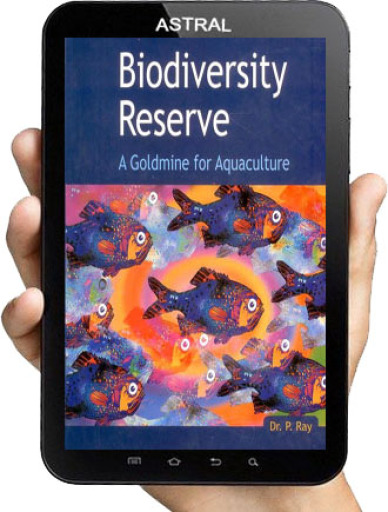
Biodiversity Reserve: A Goldmine for Aquaculture

Biodiversity Reserve: A Goldmine for Aquaculture

Por Dr. Parimal Ray

Publicado por Astral International Pvt Ltd

English 577 páginas 2021 ISBN 9789383129560
Tiempo de lectura estimado: 10 h 35 min
PDF

Sobre este libro

The author has taken immense pains to high light facts how human interference associated with natural calamities are responsible in altering the morpho-ecological conditions of Sundarban delta (covering the district of 24-Parganas lying between 21’32' and 22’51' N latitude and 88’2' and 89’6' Iongitude). The growing human population followed by huge population influx during partition of Bengal into East Pakistan (1947) which later emerged as free Bangladesh (1971), most of which being agriculturist settled in various parts of Sundarbans. The growing human population demanded progressive course of reclamation, resettlement, colonization, agricultural development, construction of roads etc. The reserve forest area was gradually reclaimed to a considerable extent. Since fish culture is more paying than agriculture, people diverted their attention towards various types of fish culture. To provide adequate information, the author has divided the entire pisciculture system covered under the complex ecosystem mainly as culture and capture fishery. Various aspects covered under culture fishery are-survey of fishery impoundments in the context of culturable fresh and brackishwater areas, species cultured, average catch etc. along with ecological changes that takes place from time to time. Effect on ecosystem due to introduction of metropolitan wastes enriched with organics associated with metals from various industries is another aspect covered. In culture fishery-fresh water (both sewage fed and sewage free) low saline water (Parennial, fish-cum-paddy, paddy-cum-fish) culture medium saline water, high saline water has been grouped under culture fishery, while under capture fishery they are, fresh-low saline water, Bhagirathy-Hooghly; low saline-medium saline (Hooghly river); Medium saline (Kulti estuary) and high saline (lower zone of entire estuary of Sundarbans and tracts below Diamond Harbour where waste water disposed, pollution load, changes in the physic-chemical and biological parameters, metallic and pesticide pollution, fishing gear effort and fish production, progressive changes in the fish production fish seed resources breeding ground etc are highlighted. The author has taken immense pains to provide up-to-date information of the Sundarban delta-how culture and capture fishery has come up intensely with the passing of time and is being controlled by the Sundarban delta since long highlighting its fishery potentiality. The author has finally grouped entire monograph into four major chapters. I. Culture fishery (Fresh water and Brackish water impoundment) II. Capture fishery (Kulti estuary, Bhagirathi - Hooghly estuary), III. The Sundarban Delta. IV. Past and present of Sundarban Delta.

Disponibilidad

Biodiversity Reserve: A Goldmine for Aquaculture está disponible como PDF en 1 librería online.

Idioma
English
Compartir

Preguntas frecuentes

¿En qué formatos está disponible Biodiversity Reserve: A Goldmine for Aquaculture?
Biodiversity Reserve: A Goldmine for Aquaculture está disponible como PDF en 1 librería online.
¿Dónde puedo comprar Biodiversity Reserve: A Goldmine for Aquaculture?
Puedes comprar Biodiversity Reserve: A Goldmine for Aquaculture en Catademic. Compara todas las opciones en la lista de esta página.
¿Cuánto se tarda en leer Biodiversity Reserve: A Goldmine for Aquaculture?
A un ritmo de lectura medio, Biodiversity Reserve: A Goldmine for Aquaculture se lee en unas 10 h 35 min (577 páginas).

Valoraciones y reseñas

Aún no hay valoraciones. Sé el primero en reseñar este libro.

Acceder para valorar y reseñar este libro.

Comentarios

Acceder para unirte a la conversación.

Aún no hay comentarios.