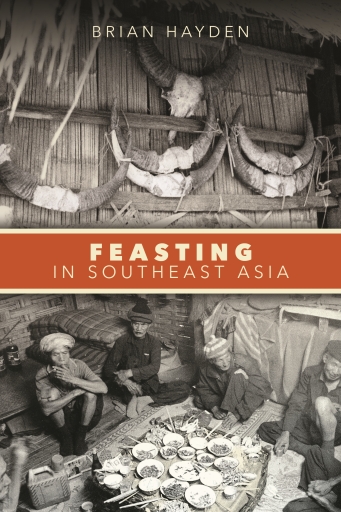
Feasting in Southeast Asia
Por Hayden, Brian
Publicado por University of Hawaii Press
English
2016
ISBN 9780824856274
eBook
Buy at Association of University Presses - Tienda FILUNI
🇺🇸
Catademic
🇺🇸
Visitar tienda →
Bajalibros Latam
🇺🇸
Visitar tienda →
Association of University Presses - Tienda FILUNI
🇺🇸
Visitar tienda →

Ebooks Librería Antártica
🇨🇱
Visitar tienda →
Ebooks Agustin
🇪🇸
Visitar tienda →
Bajalibros Argentina
🇦🇷
Visitar tienda →

Sanborns Ebooks
🇲🇽
Visitar tienda →
ebooks Libreria del GAM
🇺🇾
Visitar tienda →
Bookshop Uruguay
🇺🇾
Visitar tienda →

ebookskitapenas
🇬🇹
Visitar tienda →
Ebooks Yenny - El Ateneo
🇦🇷
Visitar tienda →
Crisol Ebooks
🇨🇴
Visitar tienda →
Disponible en 12 librerías
Catademic
🇺🇸
Visitar tienda →
Association of University Presses - Tienda FILUNI
🇺🇸
Visitar tienda →
Ebooks Librería Antártica
🇨🇱
Visitar tienda →
Ebooks Agustin
🇪🇸
Visitar tienda →
Sanborns Ebooks
🇲🇽
Visitar tienda →
ebooks Libreria del GAM
🇺🇾
Visitar tienda →
ebookskitapenas
🇬🇹
Visitar tienda →
Ebooks Yenny - El Ateneo
🇦🇷
Visitar tienda →
Crisol Ebooks
🇨🇴
Visitar tienda →
Sobre este libro
<p>Feasting has long played a crucial role in the social, political, and economic dynamics of village life. It is far more than a gustatory and social diversion from daily work routines: alliances are brokered by feasts; debts are created and political battles waged. Feasts create enormous pressure to increase the production of food and prestige items in order to achieve the social and political goals of their promoters. In fact, Brian Hayden argues, the domestication of plants and animals likely resulted from such feasting pressures. Feasting has been one of the most important forces behind cultural change since the end of the Paleolithic era. <br><br><i>Feasting in Southeast Asia</i> documents the dynamics of traditional feasting and the ways in which a bewildering array of different types of feasts benefits hosts. Hayden argues that people’s ability to marry, reproduce, defend themselves against threats and attacks, and protect their interests in village politics all depend on their ability to engage in feasting networks. To be excluded from such networks means to be subject to attack by social predators, perhaps even leading to enslavement. As an archaeologist, Hayden pays specific attention to the materials involved in feasting and how feasting might be identified and interpreted from archaeological remains. His conclusions are based on his own ethnographic field studies in Thailand, Laos, Vietnam, and Indonesia, as well as a comparative overview of the regional literature on feasting. Hayden gives particular attention to the longhouses of Vietnam, an unusual but important social unit that hosts feasts, in an attempt to understand why they became established.<br><br>This unique volume is the culmination of fifteen years of fieldwork among tribal groups in Southeast Asia. Until now no one has examined feasting as a general phenomenon in Southeast Asia or tried to synthesize its underlying dynamics from a theoretical perspective. The book will be of interest to cultural anthropologists, archaeologists, historians, and others involved in food studies.</p>
- Idioma
- English
Compartir