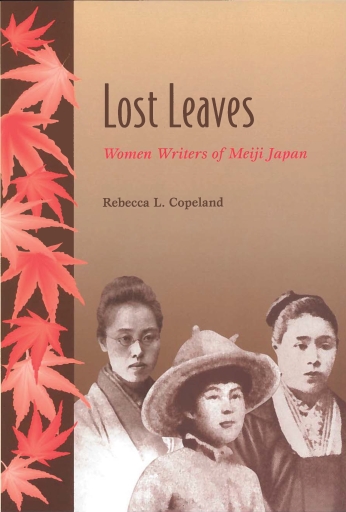
Lost Leaves
Publicado por University of Hawaii Press
Inglés
305 páginas
2000
ISBN 9780824863395
Tiempo de lectura estimado: 5 h 36 min
PDF
Comprar en ebookskitapenas
🇬🇹
 Association of University Presses - Tienda FILUNI
🇺🇸
Visitar tienda →
Association of University Presses - Tienda FILUNI
🇺🇸
Visitar tienda →
 Bajalibros Argentina
🇦🇷
Visitar tienda →
Bajalibros Argentina
🇦🇷
Visitar tienda →
 Bajalibros Latam
🇺🇸
Visitar tienda →
Bajalibros Latam
🇺🇸
Visitar tienda →
 Bookshop Uruguay
🇺🇾
Visitar tienda →
Bookshop Uruguay
🇺🇾
Visitar tienda →
 Catademic
🇺🇸
Visitar tienda →
Catademic
🇺🇸
Visitar tienda →
Disponible en 16 librerías
Association of University Presses - Tienda FILUNI
🇺🇸
Visitar tienda →
Bajalibros Argentina
🇦🇷
Visitar tienda →
Bajalibros Latam
🇺🇸
Visitar tienda →
Bookshop Uruguay
🇺🇾
Visitar tienda →
Catademic
🇺🇸
Visitar tienda →











Sobre este libro
Most Japanese literary historians have suggested that the Meiji Period (1868-1912) was devoid of women writers but for the brilliant exception of Higuchi Ichiyo (1872-1896). Rebecca Copeland challenges this claim by examining in detail the lives and literary careers of three of Ichiyo's peers, each representative of the diversity and ingenuity of the period: Miyake Kaho (1868-1944), Wakamatsu Shizuko (1864-1896), and Shimizu Shikin (1868-1933).
In a carefully researched introduction, Copeland establishes the context for the development of female literary expression. She follows this with chapters on each of the women under consideration. Miyake Kaho, often regarded as the first woman writer of modern Japan, offers readers a vision of the female vitality that is often overlooked when discussing the Meiji era. Wakamatsu Shizuko, the most prominent female translator of her time, had a direct impact on the development of a modern written language for Japanese prose fiction. Shimizu Shikin reminds readers of the struggle women endured in their efforts to balance their creative interests with their social roles. Interspersed throughout are excerpts from works under discussion, most never before translated, offering an invaluable window into this forgotten world of women's writing.
Disponibilidad
Lost Leaves está disponible como PDF en 16 librerías online. Entre las librerías que lo venden están Association of University Presses - Tienda FILUNI, Bajalibros Argentina, Bajalibros Latam.
- Idioma
- Inglés
Compartir
Preguntas frecuentes
- ¿En qué formatos está disponible Lost Leaves?
- Lost Leaves está disponible como PDF en 16 librerías online.
- ¿Dónde puedo comprar Lost Leaves?
- Puedes comprar Lost Leaves en Association of University Presses - Tienda FILUNI, Bajalibros Argentina, Bajalibros Latam. Compara todas las opciones en la lista de esta página.
- ¿Cuánto se tarda en leer Lost Leaves?
- A un ritmo de lectura medio, Lost Leaves se lee en unas 5 h 36 min (305 páginas).
Valoraciones y reseñas
Aún no hay valoraciones. Sé el primero en reseñar este libro.
Acceder para valorar y reseñar este libro.