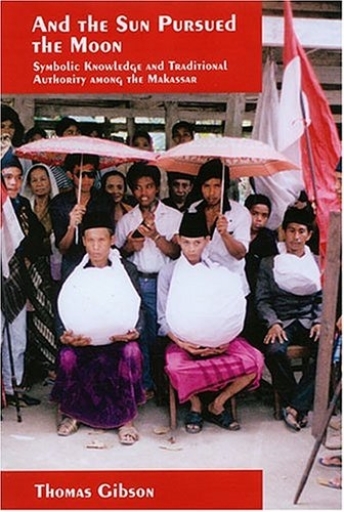
And the Sun Pursued the Moon
Pubblicato da University of Hawaii Press
English
278 pagine
2005
ISBN 9780824874575
Tempo di lettura stimato: 5 h 6 min
PDF
Buy at Bajalibros Latam
🇺🇸
 Association of University Presses - Tienda FILUNI
🇺🇸
Visita il negozio →
Association of University Presses - Tienda FILUNI
🇺🇸
Visita il negozio →
 Bajalibros Argentina
🇦🇷
Visita il negozio →
Bajalibros Argentina
🇦🇷
Visita il negozio →
 Bookshop Uruguay
🇺🇾
Visita il negozio →
Bookshop Uruguay
🇺🇾
Visita il negozio →
 Catademic
🇺🇸
Visita il negozio →
Catademic
🇺🇸
Visita il negozio →
Disponibile in 13 librerie
Association of University Presses - Tienda FILUNI
🇺🇸
Visita il negozio →
Bajalibros Argentina
🇦🇷
Visita il negozio →
 Bookshop Uruguay
🇺🇾
Visita il negozio →
Catademic
🇺🇸
Visita il negozio →
Bookshop Uruguay
🇺🇾
Visita il negozio →
Catademic
🇺🇸
Visita il negozio →








Informazioni su questo libro
Over the course of a thousand years, from 600 to 1600 CE, the Java Sea was dominated by a ring of maritime kingdoms whose rulers engaged in long-distance raiding, trading, and marriage alliances with one another. And the Sun Pursued the Moon explores the economic, political, and symbolic processes by which early Makassar communities were incorporated into this regional system.
As successive empires like Srivijaya, Kediri, Majapahit, and Melaka gained hegemony over the region; they introduced different models of kingship in peripheral areas like the Makassar coast of South Sulawesi. As each successive model of royal power gained currency, it became embedded in local myth and ritual. To better understand the relationship between symbolic knowledge and traditional royal authority in Makassar society, Thomas Gibson draws on a wide range of sources and academic disciplines. He shows how myth and ritual link practical forms of knowledge (boat-building, navigation, agriculture, warfare) to basic social categories such as gender and hereditary rank, as well as to environmental, celestial, and cosmological phenomena. He also shows how concrete historical agents have used this symbolic infrastructure to advance their own political and ideological purposes. Gibson concludes by situating this material in relation to Islam and to life-cycle rituals.
Disponibilità
And the Sun Pursued the Moon è disponibile come PDF in 13 librerie online. Tra le librerie che lo vendono ci sono Association of University Presses - Tienda FILUNI, Bajalibros Argentina, Bajalibros Latam.
Categorie
- Lingua
- English
Condividi
Domande frequenti
- In quali formati è disponibile And the Sun Pursued the Moon?
- And the Sun Pursued the Moon è disponibile come PDF in 13 librerie online.
- Dove posso comprare And the Sun Pursued the Moon?
- Puoi comprare And the Sun Pursued the Moon su Association of University Presses - Tienda FILUNI, Bajalibros Argentina, Bajalibros Latam. Confronta tutte le opzioni nell’elenco di questa pagina.
- Quanto tempo ci vuole per leggere And the Sun Pursued the Moon?
- A un ritmo di lettura medio, And the Sun Pursued the Moon si legge in circa 5 h 6 min (278 pagine).
Valutazioni e recensioni
Ancora nessuna valutazione. Sii il primo a recensire questo libro.
Accedi per valutare e recensire questo libro.